

Aquaponics is an innovative approach to sustainable agriculture, combining aquaculture (raising fish) and hydroponics (growing plants in water). This method not only maximizes the use of space but also creates a self-sustaining ecosystem that can thrive with minimal inputs. Home aquaponics kits have gained popularity among urban gardeners and sustainability enthusiasts looking to grow their food efficiently. In this article, we will explore the benefits, components, and tips for setting up your own aquaponics kit.
Understanding Aquaponics
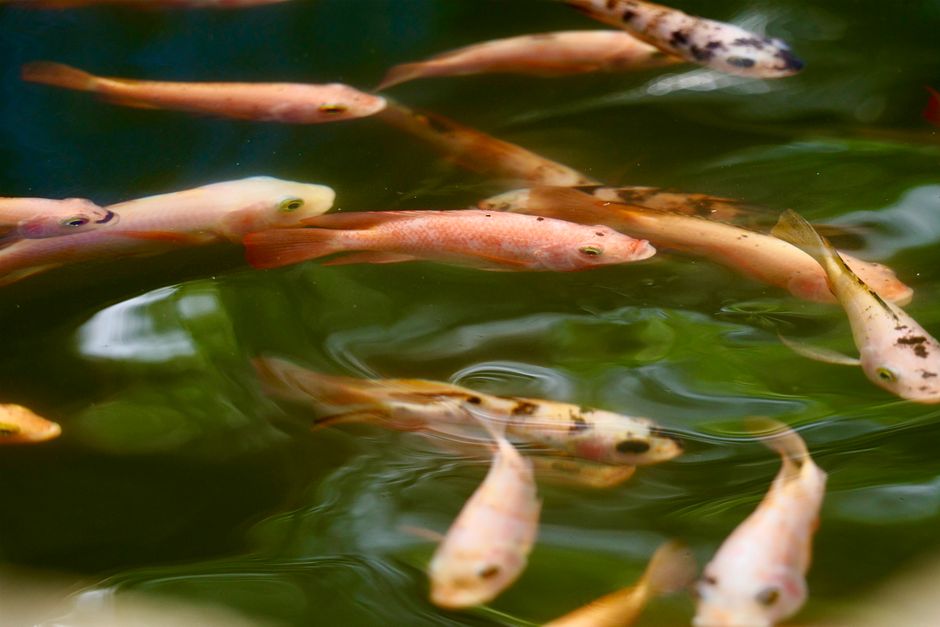
Aquaponics is a closed-loop system where fish waste provides organic nutrients for the plants, and in return, the plants help filter and purify the water for the fish. This symbiotic relationship allows for a highly productive growing environment. According to recent studies, aquaponics can yield up to 10 times more produce per square foot compared to traditional farming methods.
One of the primary advantages of aquaponics is its reduced environmental impact. It uses up to 90% less water than conventional farming, making it an excellent choice for areas with limited water resources. Moreover, aquaponics systems can be set up indoors or outdoors, allowing for year-round gardening regardless of climate conditions.
For those new to the concept, starting with a home aquaponics kit can be an excellent way to dive into this sustainable practice. These kits typically come with everything you need to get started, including a fish tank, grow bed, pump, and necessary accessories.
Components of an Aquaponics Kit
When selecting a home aquaponics kit, it’s essential to understand the key components that make the system work effectively. The main elements include:
- Fish Tank: The foundation of your aquaponics system, where fish are raised. It’s crucial to choose a tank size that suits your available space and the type of fish you want to grow.
- Grow Bed: The area where plants are grown. It is usually filled with a growing medium like clay pellets or gravel, which allows for proper drainage and aeration.
- Pump and Plumbing: A water pump circulates water from the fish tank to the grow bed, ensuring that plants receive nutrient-rich water. Proper plumbing is vital for efficient water flow.
- Fish and Plants: Choosing the right species of fish and plants is critical. Common fish include tilapia and goldfish, while leafy greens like lettuce and herbs are popular choices for aquaponics.
Many aquaponics kits also come with monitoring equipment to help you keep track of water quality and nutrient levels, ensuring a healthy environment for both fish and plants.
Benefits of Using an Aquaponics Kit
There are numerous advantages to using a home aquaponics kit, making it an attractive option for many gardeners. One of the most significant benefits is the ability to grow organic produce without the need for chemical fertilizers or pesticides. The natural ecosystem created by the fish and plants helps maintain soil health and promotes biodiversity.
Additionally, aquaponics can be a rewarding educational experience for families and individuals. It provides hands-on learning opportunities about ecosystems, nutrition, and sustainability. Many people find joy in watching their fish grow and harvesting fresh herbs and vegetables right from their home.
Furthermore, aquaponics can lead to cost savings over time. While the initial investment in a kit may seem high, the ability to grow your food can significantly reduce grocery bills. With the increasing cost of produce in many areas, having a reliable source of fresh vegetables and fish can be economically beneficial.
Setting Up Your Aquaponics Kit
Setting up an aquaponics kit is a straightforward process, but there are some essential steps to follow to ensure success. First, choose a suitable location that receives adequate sunlight and is close to a water source. Once you’ve selected your site, assemble the kit according to the manufacturer’s instructions.
Next, fill the fish tank with water and let it cycle for a few days before introducing any fish. This cycling process allows beneficial bacteria to establish, which is crucial for converting fish waste into plant nutrients. After cycling, add your fish gradually to avoid stressing the system.
Once the fish are settled, it’s time to plant your seeds or seedlings in the grow bed. Regularly monitor the water quality, including pH, ammonia, and nitrate levels, to ensure a healthy environment. As the plants grow, you’ll notice how they thrive on the nutrients provided by the fish waste.
Common Challenges and Solutions
While aquaponics can be a highly rewarding endeavor, it’s not without its challenges. One common issue is maintaining water quality. Regular testing and monitoring are essential to prevent problems such as ammonia spikes, which can harm both fish and plants.
Pests and diseases can also pose a threat, but the organic nature of aquaponics means that chemical treatments are not an option. Instead, natural solutions, such as introducing beneficial insects or using organic sprays, can help manage these issues.
Additionally, it’s essential to choose compatible fish and plant species to create a balanced ecosystem. Researching the specific needs and behaviors of your chosen species will help you avoid compatibility issues that could lead to system failure.
Conclusion
Aquaponics kits offer an innovative and sustainable way to grow food at home, combining the benefits of fish farming and plant cultivation. With the right setup and care, anyone can create a thriving aquaponics system that provides fresh produce and fish year-round. Whether you are an experienced gardener or a beginner, exploring the world of aquaponics can lead to a rewarding and educational experience. For those interested in getting started, purchasing an aquaponics kit is an excellent first step towards sustainable gardening.