
In today’s fast-paced work environment, maintaining a safe and productive workplace is more critical than ever. One of the essential measures companies can implement to achieve this is through effective drug testing services. These services play a significant role in ensuring employee safety, compliance with regulations, and fostering a positive work culture. This article will delve into the various aspects of drug testing services, their benefits, and what businesses should consider when implementing them.
The Role of Drug Testing Services
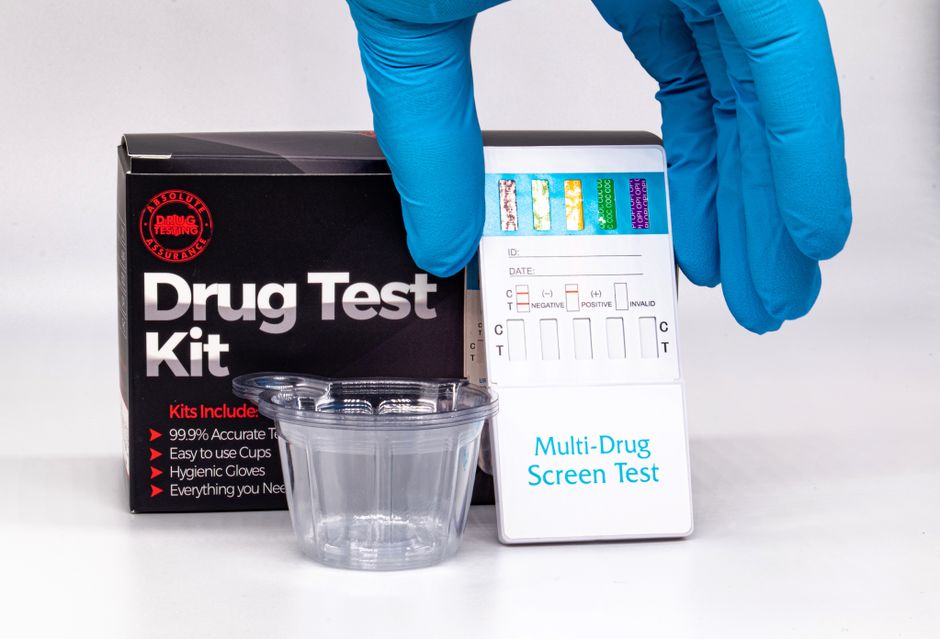
Drug testing services are designed to detect the presence of illicit substances in an individual’s system. They are crucial for various industries, especially those that require high safety standards such as transportation, healthcare, and construction. By identifying employees who may be under the influence of drugs, companies can take appropriate measures to mitigate risks associated with impaired performance.
For instance, according to the National Council on Alcoholism and Drug Dependence (NCADD), drug and alcohol abuse costs U.S. employers approximately $81 billion annually in lost productivity, absenteeism, and accidents. This staggering figure highlights the need for effective drug testing services to protect both the employees and the organization.
Furthermore, many organizations partner with specialized providers to conduct these tests. A comprehensive drug testing service can ensure that the testing process is executed professionally, adhering to federal and state regulations, and maintaining the integrity of the testing results.
Types of Drug Tests
There are several types of drug tests that businesses can utilize, each with its own advantages and limitations. The most common types include urine, saliva, hair, and blood tests. Urine tests are the most widely used due to their cost-effectiveness and ability to detect a range of substances, including marijuana, cocaine, opiates, and amphetamines.
Saliva tests are gaining popularity for their non-invasive nature and quick results, making them ideal for on-site testing. Hair tests, while more expensive, can provide a longer detection window, revealing substance use over the past 90 days. Blood tests are typically reserved for specific situations, such as accidents, due to their invasive nature and higher cost.
Each type of test serves a particular need, and companies should evaluate their specific requirements when selecting a testing method. Understanding the differences between these tests can significantly impact the accuracy and effectiveness of a drug testing program.
Implementing a Drug Testing Policy
To successfully implement a drug testing program, organizations must establish a clear and comprehensive drug testing policy. This policy should outline the types of tests to be conducted, the circumstances under which testing will occur, and the consequences of positive test results.
It is crucial to communicate this policy effectively to all employees to ensure transparency and understanding. Employees should be aware of their rights and the procedures involved in the testing process. Additionally, training supervisors and managers on how to handle situations involving drug testing can help mitigate potential conflicts and ensure compliance with legal standards.
Furthermore, regular reviews and updates of the drug testing policy can help organizations stay compliant with changing laws and industry standards. Engaging legal counsel or human resource professionals during the policy formulation process can also provide valuable insights and guidance.
Benefits of Drug Testing Services
Implementing drug testing services offers numerous benefits for businesses. Primarily, it enhances workplace safety and productivity by reducing the risk of accidents caused by impaired employees. A safe work environment not only protects employees but also minimizes liability for employers.
Moreover, drug testing can help organizations promote a culture of accountability and responsibility among employees. When employees understand that their actions have consequences, they may be more inclined to adhere to workplace policies and maintain a drug-free environment.
Additionally, drug testing services can assist in compliance with federal and state regulations, particularly for industries that have strict safety requirements. By adhering to these regulations, businesses can avoid legal repercussions and maintain their reputation in the industry.
Challenges and Considerations
While the benefits of drug testing services are significant, there are also challenges that organizations should consider. Privacy concerns are a primary issue, as employees may feel that drug testing infringes on their personal rights. To address this, companies should ensure that testing procedures are conducted discreetly and respectfully.
Furthermore, businesses must be aware of potential biases and the accuracy of the testing methods used. False positives can lead to unnecessary disciplinary actions, damaging employee morale. Therefore, it is essential to utilize reliable testing services and consider confirmatory testing for any positive results.
Finally, organizations should be prepared to address any legal implications that may arise from their drug testing policies. Consulting with legal experts can help navigate these complexities and create a fair and compliant testing framework.
Conclusion
In conclusion, drug testing services are a vital component of maintaining a safe and productive workplace. By understanding the different types of tests, implementing a comprehensive drug testing policy, and considering the associated benefits and challenges, organizations can create a work environment that prioritizes safety and compliance. As the landscape of workplace drug testing continues to evolve, staying informed and adaptable will be crucial for businesses aiming to foster a healthy and responsible work culture.