
In today’s digital age, the way we experience places has transformed dramatically. Virtual tour photography stands at the forefront of this change, allowing users to explore spaces from the comfort of their homes. This innovative approach not only enhances marketing efforts for businesses but also creates immersive experiences for users. As we delve into the fascinating world of virtual tour photography, we will explore its benefits, applications, and the technology that makes it possible.
What is Virtual Tour Photography?
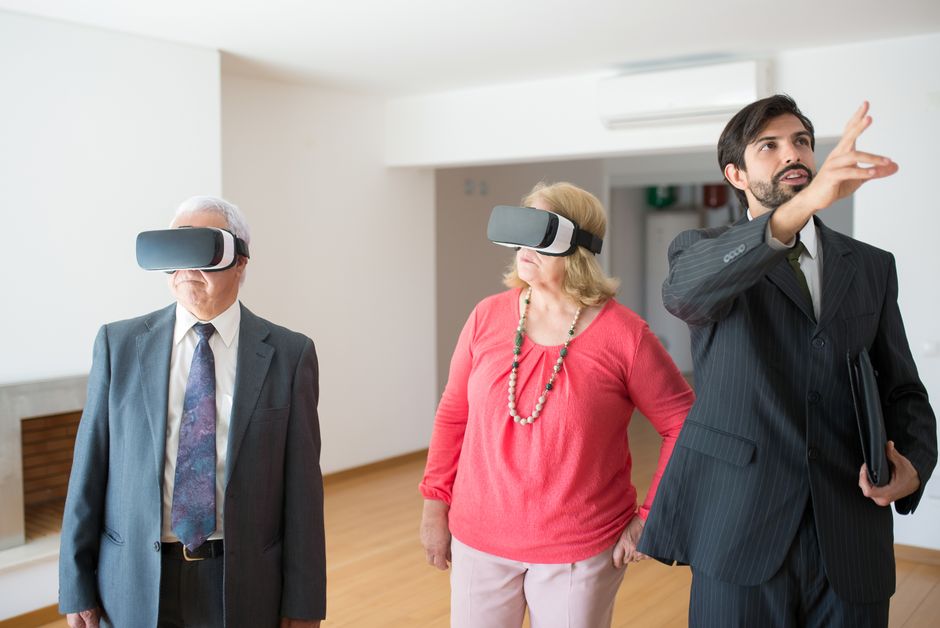
Virtual tour photography involves capturing a series of images or videos that can be stitched together to create a 360-degree view of a particular location. This technique allows viewers to navigate through spaces as if they were physically present. Unlike traditional photography, which offers a static view, virtual tours provide interactive experiences, enhancing engagement and interest.
These tours are commonly used in real estate, tourism, and education, among other fields. By leveraging this technology, businesses can showcase their offerings in a more compelling way, attracting potential customers and providing them with a taste of what to expect.
The Benefits of Virtual Tour Photography
One of the most significant advantages of virtual tour photography is its ability to enhance user engagement. Studies have shown that users are more likely to spend time on a website that features virtual tours, leading to increased interest and potential sales. For instance, real estate listings with virtual tours can see up to a 40% increase in inquiries compared to those with standard images.
Additionally, virtual tours can save time for both businesses and customers. In real estate, prospective buyers can explore properties remotely, allowing them to filter out homes that do not meet their needs before scheduling in-person visits. This efficiency streamlines the process and helps buyers make informed decisions faster.
Applications Across Various Industries
Virtual tour photography is not limited to real estate. In the tourism sector, hotels, museums, and attractions use virtual tours to entice visitors. A well-crafted virtual tour can showcase the ambiance and unique offerings of a location, ultimately driving foot traffic.
Education is another field benefiting from this technology. Schools and universities can provide virtual tours to prospective students, allowing them to explore campuses and facilities before making a decision. This approach not only helps students feel more connected but also gives institutions a competitive edge.
Technology Behind Virtual Tours
The creation of virtual tours relies heavily on advanced technology. High-resolution cameras, spherical lenses, and specialized software are essential components. Photographers must be skilled in capturing images that seamlessly blend together, ensuring a smooth navigation experience for users.
Additionally, virtual tours can be enhanced with interactive elements, such as hotspots that provide additional information or links to related content. This interactivity can deepen the user’s experience, making virtual tours not just a visual tool but an informative one as well.
The Future of Virtual Tour Photography
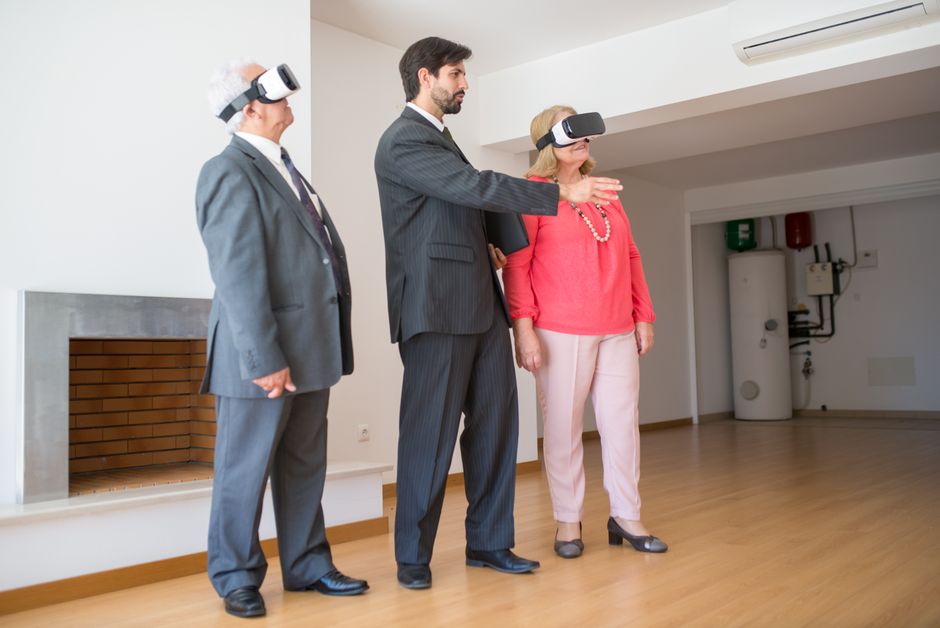
As technology continues to evolve, the future of virtual tour photography looks promising. Innovations like virtual reality (VR) and augmented reality (AR) are expected to further enhance these experiences. Imagine walking through a historical site with a virtual guide or exploring a hotel room with AR information about its amenities.
Moreover, the increasing accessibility of high-quality cameras and editing software means that more individuals and businesses can create their own virtual tours. This democratization of technology could lead to an explosion of virtual content across various sectors, enriching the digital landscape.
In conclusion, virtual tour photography represents a significant advancement in how we explore and interact with spaces. Its benefits are manifold, from enhancing user engagement to streamlining processes across industries. As we embrace this technology, the possibilities for virtual experiences are endless. To learn more about the intricacies of virtual tour photography, consider exploring the resources available online.