
The importance of mental health has gained increasing recognition in recent years. Psychiatric hospitals play a crucial role in providing specialized care for individuals experiencing severe mental health issues. These institutions are designed to offer comprehensive treatment and support for various psychiatric disorders, ensuring that patients receive the help they need in a safe environment. In this article, we will explore the functions of psychiatric hospitals, the types of treatments offered, and the significance of these facilities in the broader mental health care system.
What is a Psychiatric Hospital?
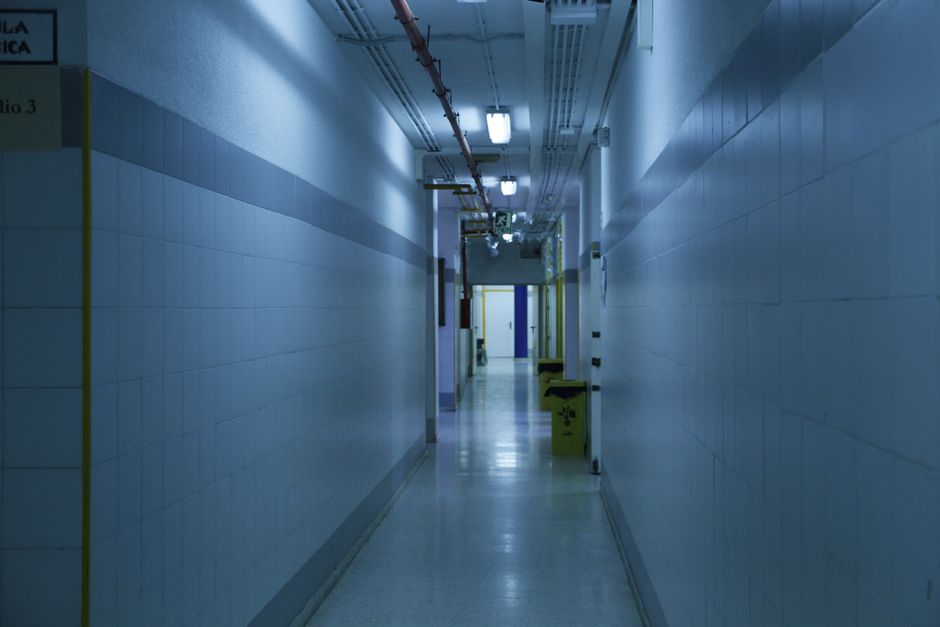
A psychiatric hospital, also known as a mental health facility, is a specialized institution dedicated to the treatment of mental health disorders. Unlike general hospitals, psychiatric hospitals focus exclusively on mental health issues, providing a range of services tailored to the needs of individuals with psychiatric conditions. These facilities often have a multidisciplinary team of healthcare professionals, including psychiatrists, psychologists, nurses, and social workers, who work collaboratively to create individualized treatment plans for their patients.
Psychiatric hospitals are equipped to handle various mental health disorders, including depression, anxiety, schizophrenia, bipolar disorder, and more. The objective of these institutions is not only to stabilize patients in crisis but also to provide ongoing treatment and rehabilitation to help them reintegrate into society.
Types of Treatment Offered
Psychiatric hospitals offer a variety of treatment modalities aimed at addressing the complex needs of individuals with mental health disorders. Some of the most common types of treatment include:
1. Medication Management: Psychiatrists often prescribe medications to help manage symptoms of mental illness. This process involves careful monitoring and adjustments to ensure the efficacy and minimize side effects.
2. Psychotherapy: Individual and group therapy sessions are integral to the treatment process. Therapists employ various techniques, such as cognitive-behavioral therapy (CBT) and dialectical behavior therapy (DBT), to help patients explore their thoughts and feelings and develop coping strategies.
3. Occupational Therapy: Many psychiatric hospitals incorporate occupational therapy to assist patients in building life skills. This can include activities that promote daily living skills, social interaction, and vocational training.
4. Crisis Intervention: In cases of acute mental health crises, psychiatric hospitals provide immediate intervention. This may involve stabilization techniques, intensive monitoring, and short-term treatment to ensure patient safety.
The Impact of Psychiatric Hospitals on Society
The existence of psychiatric hospitals is vital for the overall mental health landscape. They serve as a necessary resource for individuals who require intensive support and treatment. The impact of these facilities extends beyond the patients themselves; they also contribute to the well-being of families and communities.
For example, when individuals receive appropriate care in a psychiatric hospital, there is a reduced risk of homelessness, incarceration, and self-harm. By addressing mental health issues effectively, these hospitals play a role in mitigating social problems linked to untreated psychiatric conditions.
Moreover, psychiatric hospitals often engage in community outreach and education programs, aiming to reduce stigma around mental health and promote awareness. This engagement fosters a more compassionate society where individuals feel empowered to seek help without fear of judgment.
Challenges Faced by Psychiatric Hospitals
Despite their critical role, psychiatric hospitals face several challenges. One significant issue is the stigma surrounding mental health that can deter individuals from seeking help. Many people still harbor misconceptions about mental illness, leading to fear and reluctance to enter psychiatric facilities.
Additionally, funding for mental health services is often limited, resulting in overcrowded facilities and insufficient resources. This can hinder the quality of care that patients receive. As a result, some psychiatric hospitals may struggle to provide comprehensive treatment due to staffing shortages or inadequate facilities.
To address these challenges, it is essential for policymakers, healthcare providers, and communities to advocate for increased funding and resources for mental health services. By prioritizing mental health care, we can ensure that psychiatric hospitals continue to fulfill their vital role in society.
Conclusion
In conclusion, psychiatric hospitals are essential components of the mental health care system, providing critical support and treatment for individuals facing severe mental health challenges. Through a combination of medication management, psychotherapy, occupational therapy, and crisis intervention, these facilities help patients stabilize and begin their journey toward recovery. As society continues to evolve in its understanding of mental health, it is imperative to support and advocate for the resources necessary to enhance the effectiveness of psychiatric hospitals. By doing so, we can foster a more inclusive and compassionate environment for all individuals seeking mental health care. For those looking for specialized care, consulting a Psychiatrist dubai can be a crucial first step in their recovery journey.