
The evolution of photography has taken a significant leap with the introduction of drones, enabling photographers to capture stunning aerial images that were once limited to expensive helicopters or fixed-wing aircraft. Aerial drone photography not only democratizes access to breathtaking vistas but also opens up new creative possibilities for both amateur and professional photographers alike. In this article, we will explore the intricacies of aerial drone photography, from the technology behind the drones to tips for capturing stunning images.
Understanding the Technology Behind Drones
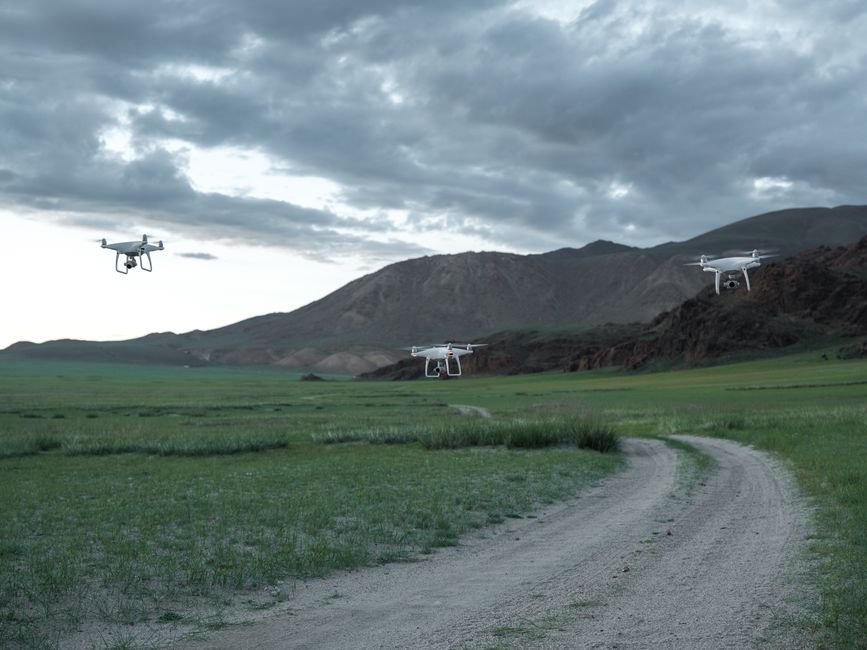
Modern drones are equipped with advanced technology that allows them to fly autonomously or be controlled remotely. Most drones used for photography come with high-resolution cameras that can shoot both still images and video. These cameras are often stabilized with gimbals to ensure smooth footage and sharp images, even in windy conditions. Understanding the specifications and capabilities of your drone is crucial for maximizing its potential in aerial photography.
For instance, many drones offer 4K video recording and have capabilities to shoot in RAW format, which provides greater flexibility in post-processing. Furthermore, the flight time of drones can vary significantly, typically ranging from 20 to 30 minutes, depending on the model and conditions. Knowing the limits of your drone will help you plan your shoots more effectively.
Choosing the Right Location for Aerial Photography
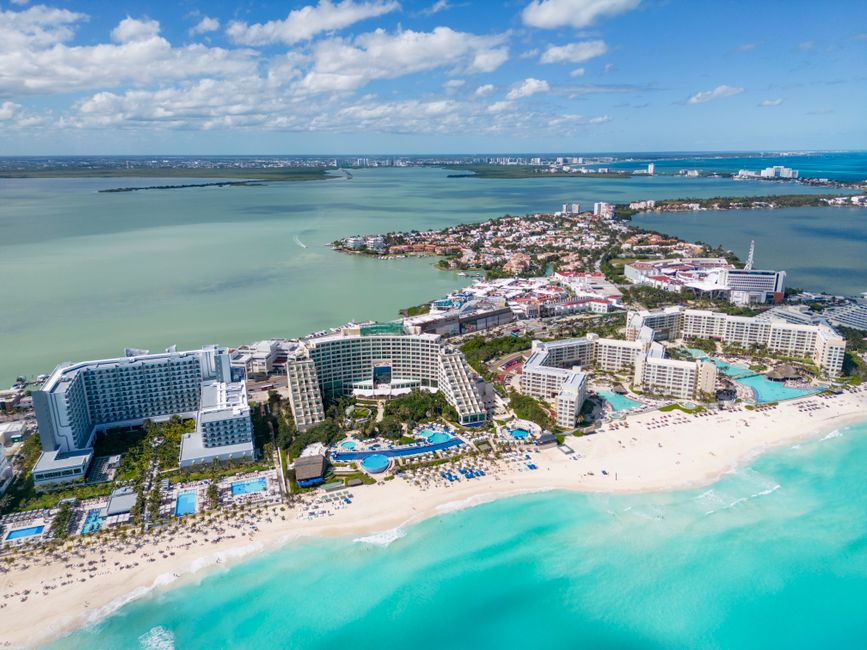
One of the most critical aspects of aerial drone photography is selecting the right location. Natural landscapes, urban settings, and large events all offer unique opportunities for capturing stunning images. For example, national parks with vast open spaces, mountains, and rivers can provide dramatic backdrops that enhance the beauty of your photographs.
It’s also essential to consider the regulations regarding drone usage in your chosen location. Many areas have strict rules about where and when you can fly drones, particularly in urban settings or near airports. Always check local regulations and obtain necessary permits to avoid fines or other legal issues.
Mastering Composition and Lighting
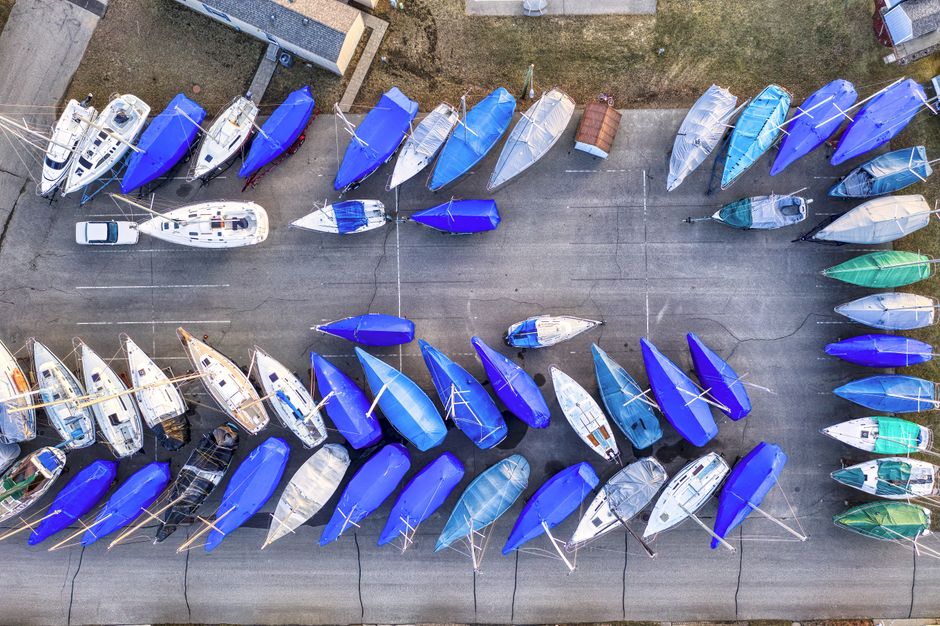
Just like traditional photography, composition and lighting play a vital role in aerial drone photography. The rule of thirds, leading lines, and symmetry are all essential principles that can help create visually appealing photographs. When shooting from above, look for patterns and shapes that are not visible from the ground, which can add a unique perspective to your work.
Lighting is another critical factor. The golden hour, shortly after sunrise or before sunset, provides soft, warm light that can dramatically enhance the quality of your images. Additionally, shooting on overcast days can help reduce harsh shadows and bring out the colors in landscapes. Experimenting with different times of day and weather conditions can lead to surprising results.
Post-Processing Techniques for Aerial Photography
After capturing your aerial images, the next step is post-processing. Software such as Adobe Lightroom and Photoshop can be instrumental in enhancing your photographs. Adjusting exposure, contrast, and color balance can significantly improve the final outcome. Additionally, cropping and straightening images can help eliminate distractions and focus on the subject.
For panoramic shots, consider stitching multiple images together to create a wide-angle view of a landscape. This technique allows you to capture more detail and provides a sense of immersion for viewers. Remember, the goal of post-processing is to enhance, not to alter the essence of the scene you captured.
Exploring Creative Possibilities
Aerial drone photography is not just about capturing landscapes; it also opens up new avenues for creativity. From real estate photography showcasing properties from above to cinematic shots for films and documentaries, the applications of aerial photography are vast. Additionally, many photographers are experimenting with techniques such as long exposure and HDR imaging to create unique effects.
Participating in drone photography competitions or joining local photography clubs can also provide inspiration and opportunities to learn from others. Sharing your work on social media platforms can help you connect with a broader audience and gain feedback from fellow enthusiasts.
Conclusion
Aerial drone photography is a captivating blend of technology and artistry that offers endless possibilities for photographers. By understanding the equipment, mastering the art of composition, and honing editing skills, you can capture stunning images that showcase the world from a new perspective. As you embark on your aerial photography journey, don’t forget to explore different locations and experiment with various techniques to develop your unique style. Whether you’re a hobbyist or a professional, the sky is truly the limit in this exciting field.
For those looking to dive deeper into the world of aerial photography, resources and services are available to help refine your skills. For example, companies specializing in aerial drone photography can provide valuable insights and assistance.