

Bedbugs are an increasingly common problem in homes and businesses, causing distress and discomfort for those affected. These small, nocturnal pests can quickly multiply, making effective extermination crucial. In this article, we will explore various methods for bedbug extermination, their effectiveness, and practical tips to prevent future infestations.
Understanding Bedbugs
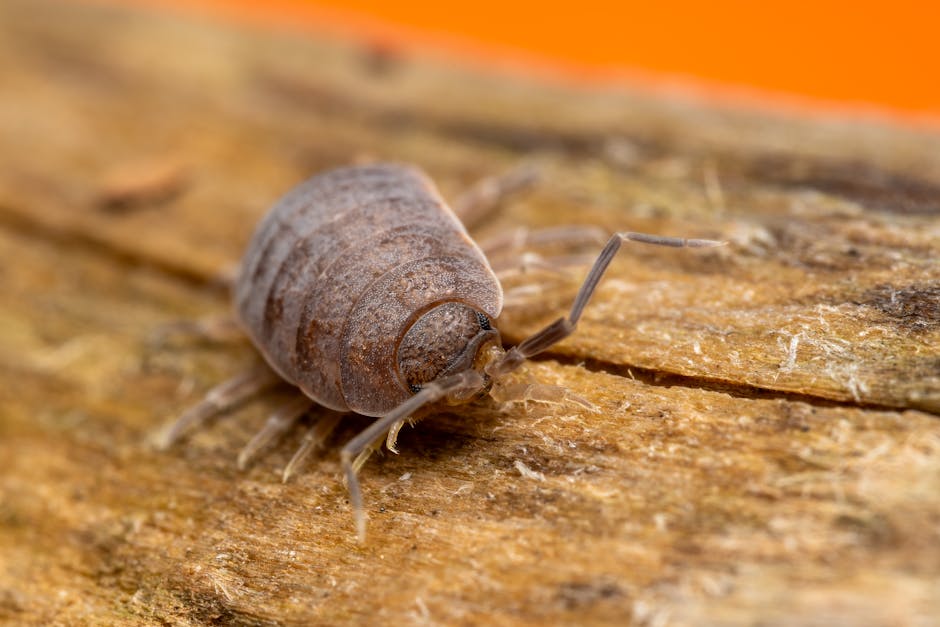
Bedbugs are small, oval-shaped insects that feed on the blood of humans and animals. Typically, they are found in beds, mattresses, and furniture, making their presence especially alarming. According to the National Pest Management Association, bedbug infestations have increased dramatically over the past decade, with 97% of pest control professionals encountering bedbugs in the past year.
These pests are known for their ability to survive for months without feeding, complicating eradication efforts. Their resilience and ability to reproduce rapidly mean that a small infestation can quickly grow into a significant problem.
Signs of Bedbug Infestation
Detecting bedbugs early is vital for effective extermination. Look for signs such as:
- Rusty or dark spots on bedding, which are bedbug excrement.
- Small, itchy bites on the skin, often in a line or cluster.
- Visible bedbugs themselves, which are typically 1 to 5 mm long.
If you suspect an infestation, it’s important to act quickly. You can initiate a thorough inspection of your sleeping areas, furniture, and even luggage after traveling to locate these pests before they spread.
Methods for Bedbug Extermination
There are several methods available for bedbug extermination, each with its own advantages and challenges. Common approaches include:
1. Chemical Treatments
Chemical treatments involve the use of pesticides specifically designed to kill bedbugs. These solutions can be effective but should be applied by professionals to ensure safety and efficacy. It is important to follow up with additional treatments, as some bedbugs may survive initial applications.
2. Heat Treatments
Heat treatment is a highly effective method for exterminating bedbugs. This process involves raising the temperature of infested areas to a lethal level for the pests. Professional exterminators often use specialized equipment to ensure that the heat penetrates all areas where bedbugs may hide.
3. Steam Cleaning
Using steam cleaners on mattresses, carpets, and furniture can help kill bedbugs and their eggs. The high temperature of the steam is lethal to these pests, making it a valuable tool in the extermination process.
4. Integrated Pest Management (IPM)
IPM combines multiple strategies for effective pest control. This method may include a combination of chemical treatments, heat treatments, and preventive measures. It focuses on long-term solutions rather than just immediate extermination.
For those seeking effective solutions, professional services often offer comprehensive plans that incorporate bed bug treatment methods tailored to specific needs.
Preventing Future Infestations
Once bedbugs have been exterminated, it is crucial to implement preventative measures to avoid future infestations. Here are some strategies to consider:
- Regularly inspect your home, especially after travel.
- Use protective covers on mattresses and box springs.
- Avoid purchasing second-hand furniture without thorough inspection.
- Seal cracks and crevices in walls and furniture to eliminate potential hiding spots.
By being proactive and vigilant, you can significantly reduce the risk of another infestation.
Conclusion
Bedbug extermination is a multi-faceted process that requires awareness, prompt action, and a combination of treatments. Understanding how to identify these pests, the methods available for extermination, and the importance of prevention can empower individuals to take control of their living environments. If faced with a bedbug problem, consulting with pest management professionals can provide the guidance and expertise needed for effective eradication.