
Hair loss is a common concern that affects millions of people worldwide. It can be caused by various factors, including genetics, stress, and medical conditions. For many, hair transplant surgery offers a solution to regain their confidence and restore their hairlines. In this comprehensive guide, we will explore the different types of hair transplant procedures, their benefits, and what to expect during the recovery process.
Understanding Hair Transplantation

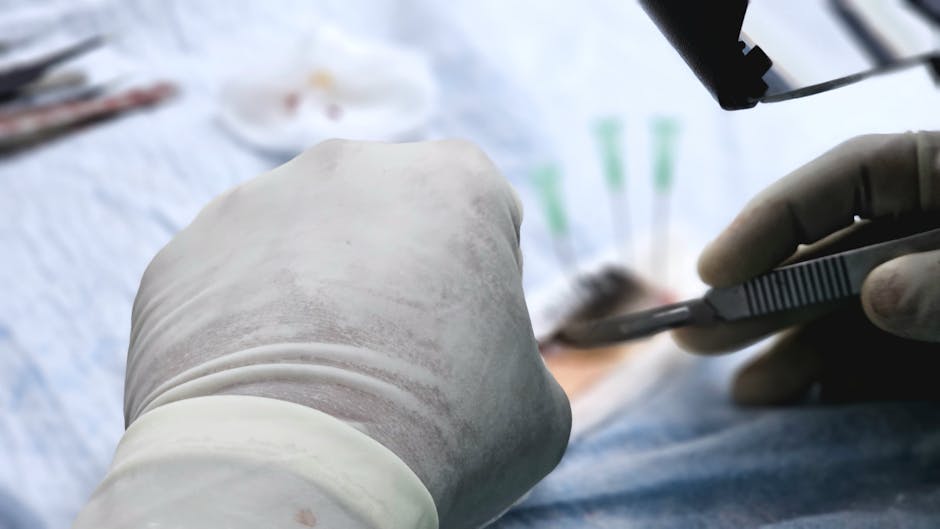
Hair transplantation is a surgical procedure that involves moving hair follicles from a donor site to a balding or thinning area of the scalp. This method aims to create a natural-looking hairline and restore hair density. There are two primary techniques for hair transplantation: Follicular Unit Transplantation (FUT) and Follicular Unit Extraction (FUE). Each method has its advantages and is suited to different types of hair loss.
FUT, also known as the strip method, involves removing a strip of skin from the back of the head, where hair is more resistant to balding. The hair follicles are then dissected and transplanted into the thinning areas. This method can yield a larger number of grafts in a single session, making it ideal for patients with advanced hair loss.
On the other hand, FUE is a minimally invasive technique that extracts individual hair follicles directly from the scalp. This method leaves no linear scar and allows for quicker recovery. FUE is often preferred by patients who want to maintain short hairstyles or are concerned about scarring.
The Benefits of Hair Transplant
One of the most significant advantages of hair transplantation is its permanence. Once the transplanted hair follicles establish themselves in the new location, they will continue to grow for a lifetime, similar to the natural hair growth cycle. This makes hair transplant a worthwhile investment for many individuals.
Additionally, hair transplants can significantly improve a person’s self-esteem and confidence. Many patients report feeling more attractive and youthful after the procedure. As hair loss can lead to psychological distress, restoring a full head of hair can have profound effects on mental well-being.
Furthermore, modern hair transplant techniques minimize discomfort and recovery time. With the FUE method, patients can often return to their daily activities within a few days, making it a more convenient option for those with busy lifestyles.
What to Expect During the Procedure
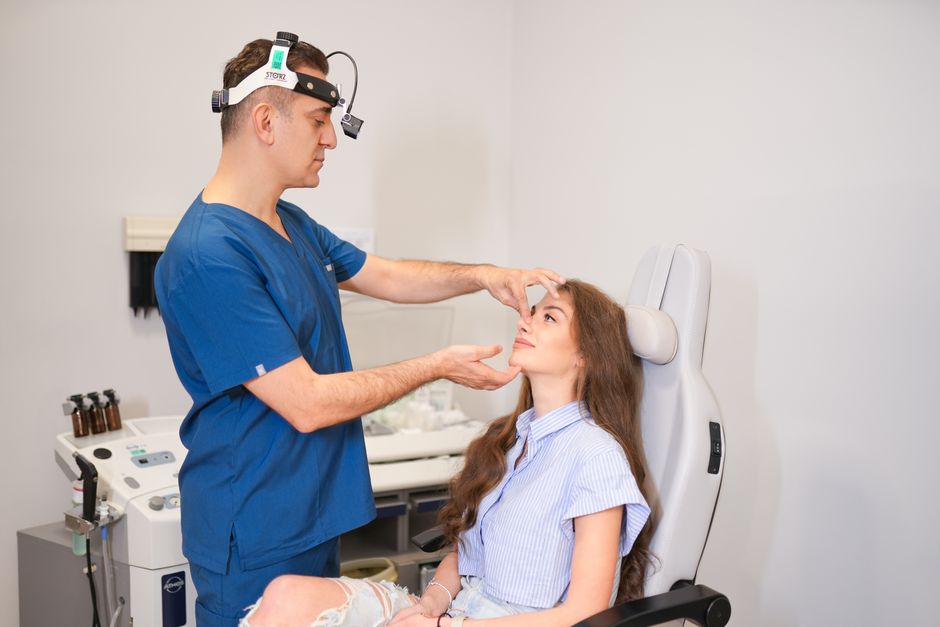
Before undergoing a hair transplant, patients should schedule a consultation with a qualified surgeon. During this appointment, the surgeon will assess the patient’s hair loss pattern, discuss goals, and determine the most suitable technique. It’s essential to have realistic expectations regarding the results, as full results may take several months to become apparent.
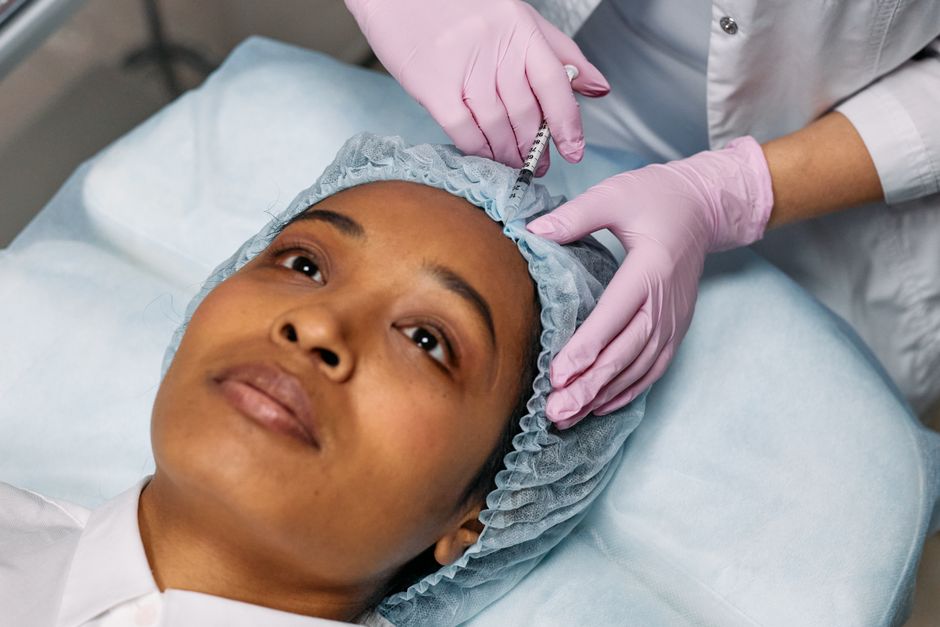
The hair transplant procedure typically lasts between 4 to 8 hours, depending on the number of grafts being transplanted. Local anesthesia is used to ensure comfort during the surgery. Patients may experience mild discomfort afterward, but this can usually be managed with over-the-counter pain relief.
After the procedure, it is crucial to follow the surgeon’s aftercare instructions carefully. This may include avoiding strenuous activities, keeping the scalp clean, and applying prescribed medications. Patients should also be aware that shedding of transplanted hair is common in the weeks following the surgery; however, new hair growth should begin within a few months.
Recovery and Aftercare
The recovery process after a hair transplant is generally straightforward, but it is essential to understand the dos and don’ts to ensure optimal results. Most patients can return to work within a week, but it is advisable to avoid direct sunlight and strenuous exercise for a few weeks.
Patients should also be cautious about washing their hair. It’s typically recommended to wait a few days before washing the scalp to allow the grafts to heal properly. When washing, it’s important to use a gentle shampoo and avoid vigorous scrubbing.
Regular follow-up appointments with the surgeon will help monitor progress and address any concerns during the healing process. It is also beneficial to maintain a healthy lifestyle, as good nutrition and overall health can support hair growth.
Choosing the Right Clinic
When considering a hair transplant, selecting a reputable clinic is crucial. Research different clinics and read reviews from previous patients. Look for certifications and qualifications of the surgeons involved in the procedures. Many people are choosing to travel to countries like Turkey for their hair transplant procedures, as clinics there often offer competitive pricing without compromising on quality. For instance, patients may explore options like hair transplant turkey to find experienced professionals and advanced techniques.
Ultimately, the decision to undergo a hair transplant should be made carefully and with thorough research. By understanding the procedures, recovery, and choosing the right clinic, individuals can make informed choices that will lead to a successful hair restoration journey.
Conclusion
Hair transplantation offers a viable solution for those struggling with hair loss. With advancements in technology and techniques, patients can achieve natural-looking results that last a lifetime. Whether opting for FUT or FUE, it is essential to consult with qualified professionals and follow all aftercare instructions for the best outcome. As more individuals seek effective solutions for hair loss, hair transplants continue to be a popular choice for regaining confidence and enhancing overall appearance.