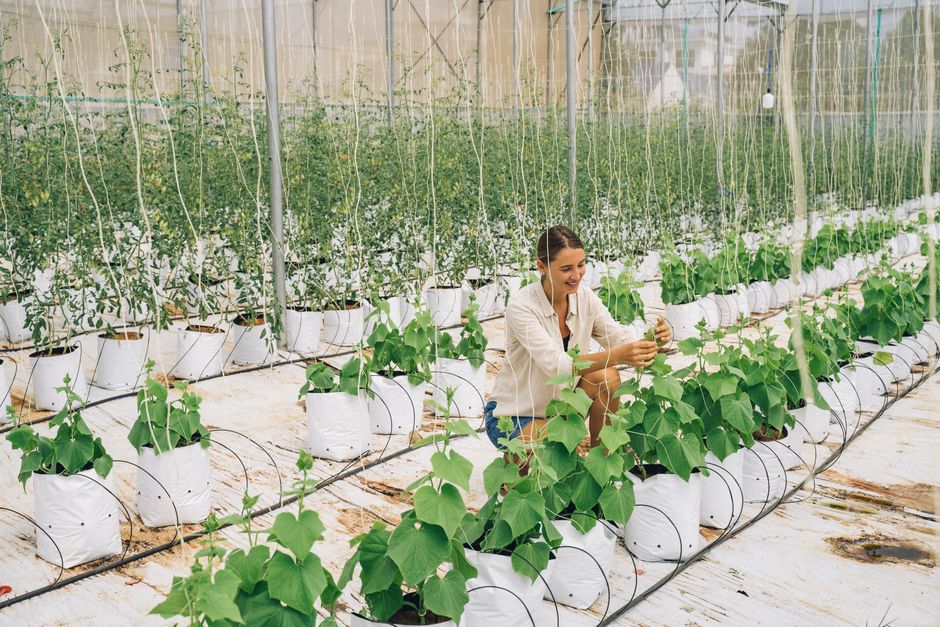

As the global population continues to rise, the demand for sustainable and efficient agricultural practices has become increasingly urgent. Vertical farming technology emerges as a revolutionary solution, enabling the cultivation of crops in vertically stacked layers, thereby maximizing space and minimizing resource usage. This innovative approach not only addresses the challenges of traditional farming but also paves the way for a more sustainable future in food production.
Understanding Vertical Farming
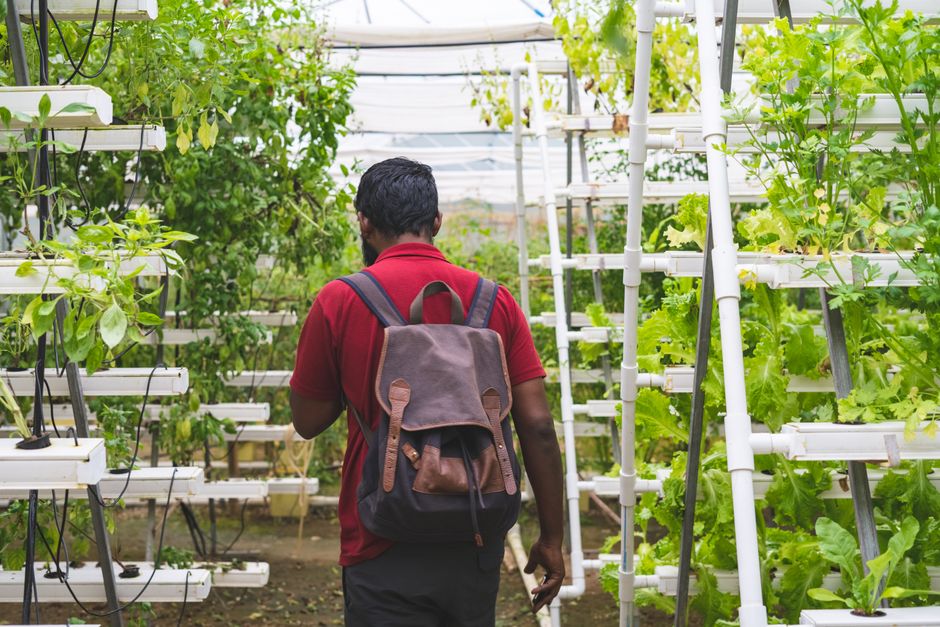
Vertical farming refers to the practice of growing crops in controlled environments, such as skyscrapers or repurposed warehouses, using vertical space. This method utilizes advanced technologies, including hydroponics, aeroponics, and artificial lighting systems, to optimize plant growth. By eliminating the need for arable land, vertical farming can be implemented in urban areas, reducing transportation costs and carbon footprints associated with food distribution.
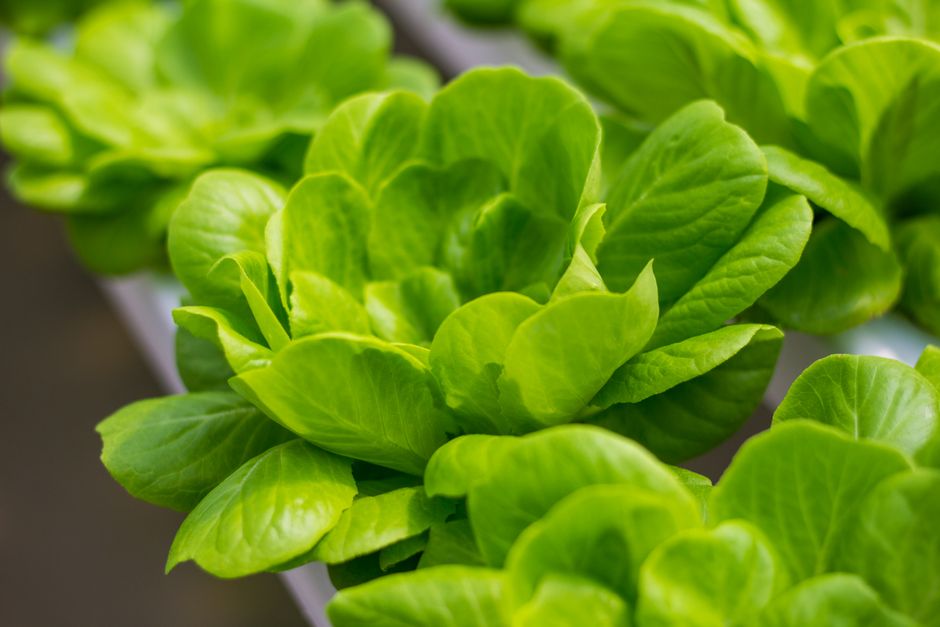
One of the key benefits of vertical farming is its ability to produce food year-round, regardless of weather conditions. A study conducted by the University of Arizona found that crops grown in vertical farms can yield significantly higher outputs compared to traditional farms. For instance, lettuce can be grown in vertical farms with a yield of up to 10 times more per square foot than conventional methods.
Technological Innovations Driving Vertical Farming
The success of vertical farming is largely attributed to advancements in technology. Automated systems for monitoring and controlling environmental factors such as temperature, humidity, and nutrient delivery play a critical role in maximizing plant health and productivity. Additionally, the integration of artificial intelligence (AI) and machine learning allows farmers to analyze data and make informed decisions regarding crop management.
Companies like Plenty and AeroFarms are leading the charge in vertical farming innovation. These organizations utilize cutting-edge technologies to optimize growing conditions, resulting in faster growth rates and higher quality produce. For example, Plenty’s farms use a unique combination of LED lighting and climate control systems that mimic natural sunlight and weather patterns, enhancing plant growth and flavor.
Environmental Benefits of Vertical Farms
Vertical farming not only addresses food security but also promotes environmental sustainability. By reducing the need for pesticides and herbicides, vertical farms contribute to cleaner air and water. Furthermore, the closed-loop systems used in vertical farming can recycle water, significantly decreasing water usage compared to traditional agriculture.
According to a report by the National Resources Defense Council, vertical farming can use up to 95% less water than conventional farming. This is particularly crucial in areas facing water scarcity, as vertical farms can provide a reliable food source without straining local water supplies. Additionally, vertical farms can be strategically placed in urban areas, reducing the carbon emissions associated with transporting food from rural farms to city centers.
The Economic Impact of Vertical Farming
While the initial investment for vertical farming technology can be substantial, the long-term economic benefits are compelling. As urban populations continue to grow, the demand for fresh, locally sourced produce is on the rise. Vertical farms can meet this demand efficiently, creating jobs and stimulating local economies.
Furthermore, vertical farming can reduce the costs associated with land acquisition, as these farms can be established in existing urban structures. According to a market analysis by Grand View Research, the global vertical farming market is expected to reach $12.77 billion by 2026, driven by increasing consumer awareness about the importance of sustainable food production.
Challenges Facing Vertical Farming
Despite its numerous advantages, vertical farming is not without challenges. High startup costs and energy consumption are significant barriers to entry for many aspiring farmers. Additionally, the technology required for successful vertical farming is still evolving, and there is a learning curve associated with managing these advanced systems.
Moreover, while vertical farms can produce a variety of crops, not all fruits and vegetables are suitable for this method of cultivation. It is essential for farmers to conduct thorough market research to determine which crops will yield the best return on investment. As the industry matures, however, it is likely that solutions to these challenges will emerge, further enhancing the viability of vertical farming.
Conclusion
Vertical farming technology represents a significant shift in agricultural practices, offering a sustainable solution to the growing global food crisis. By leveraging technological innovations and promoting environmental sustainability, vertical farms have the potential to revolutionize food production and distribution. As we look to the future, it is crucial for stakeholders in the agricultural sector to embrace this technology and support its development. The integration of vertical farming technology into our food systems could be the key to ensuring food security in an increasingly urbanized world.