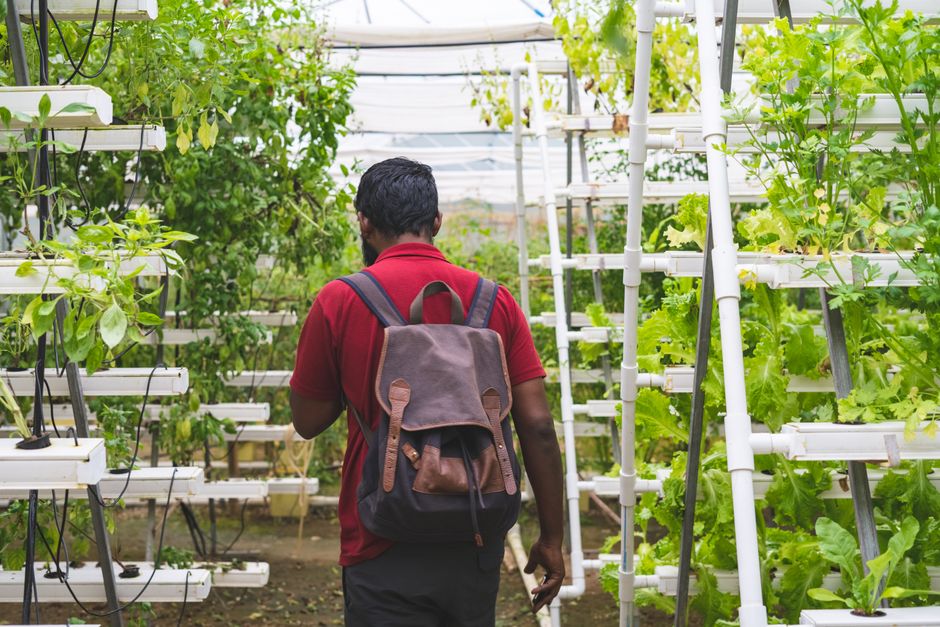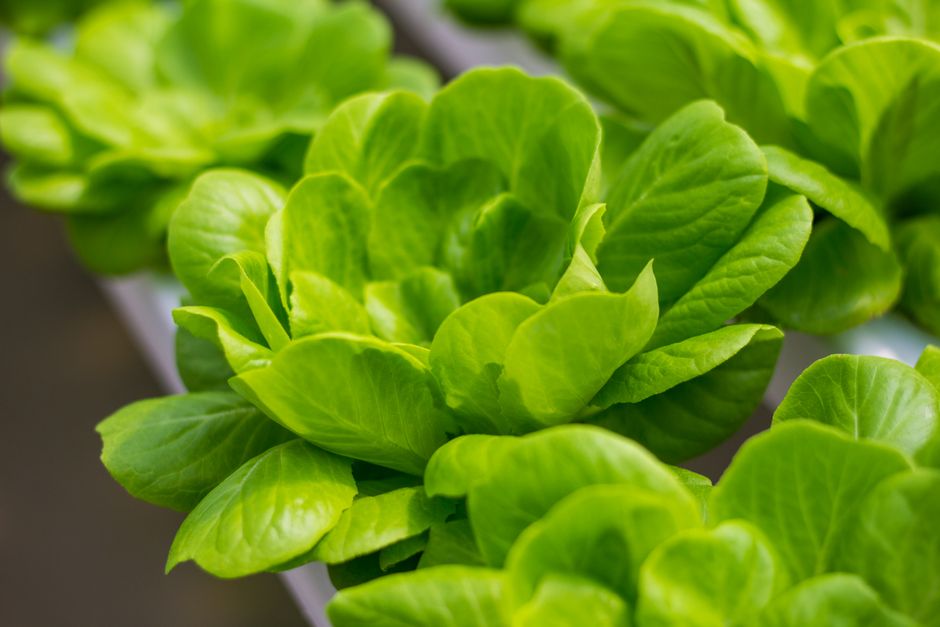

As the global population continues to rise, the demand for sustainable food sources has never been more pressing. Traditional farming methods are often hampered by space limitations, environmental issues, and climate change. In this context, vertical farming technology has emerged as a beacon of hope, promising to revolutionize food production. This article delves into the intricacies of vertical farming, its advantages, challenges, and real-world applications.
Understanding Vertical Farming
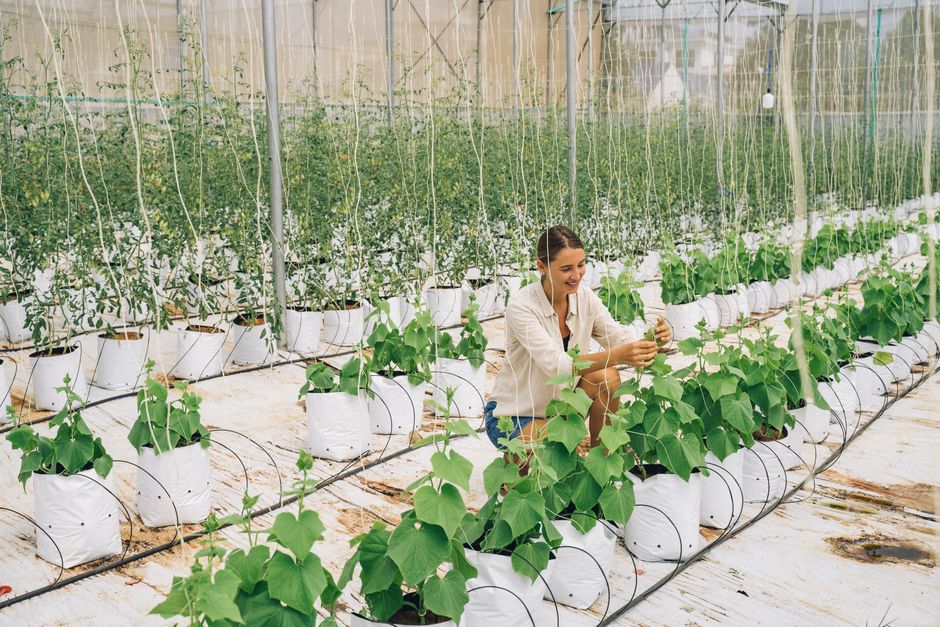
Vertical farming refers to the practice of growing crops in vertically stacked layers, typically in controlled environments such as buildings or shipping containers. This innovative approach allows for the maximization of space and resource efficiency. By utilizing advanced technologies such as hydroponics, aeroponics, and aquaponics, vertical farms can produce food in urban areas, reducing the need for transportation and land use.
According to a report by MarketsandMarkets, the global vertical farming market is projected to grow from $3.1 billion in 2020 to $12.77 billion by 2026, at a compound annual growth rate (CAGR) of about 25.6%. This rapid growth indicates a burgeoning interest and investment in vertical farming technology, driven by the need for sustainable agricultural practices.
One of the key benefits of vertical farming is its ability to produce food year-round, regardless of external weather conditions. This consistent production can help stabilize food supply chains and reduce price volatility associated with seasonal crops.
Advantages of Vertical Farming
Vertical farming offers numerous advantages over traditional farming methods. Firstly, it significantly reduces the amount of water needed for cultivation. For instance, a vertical farm can use up to 90% less water than conventional farming, as water is recirculated in closed systems.
Moreover, vertical farms can be set up in urban areas, bringing food production closer to consumers. This localization reduces transportation costs and carbon emissions, contributing to a more sustainable food system. Additionally, by eliminating the need for pesticides and herbicides, vertical farming can produce healthier crops, free from harmful chemicals.
Another major advantage is the potential for higher yields. Vertical farming can produce up to 10 times more food per square foot compared to traditional farming practices. This increased productivity is essential for meeting the food demands of a growing population.
Challenges Facing Vertical Farming
Despite its many benefits, vertical farming technology is not without challenges. One significant hurdle is the high initial investment required to set up a vertical farm. The costs associated with technology, infrastructure, and energy consumption can be daunting for new entrants in the market.
Energy consumption is another critical challenge. Vertical farms often rely on artificial lighting to facilitate plant growth, which can lead to high electricity bills. However, advancements in energy-efficient LED lighting and renewable energy sources are helping to mitigate this issue.
Additionally, there is currently a limited variety of crops that can be efficiently grown in vertical farms. While leafy greens and herbs thrive in these environments, staple crops such as wheat and rice have yet to see significant success in vertical farming systems.
Real-World Applications of Vertical Farming
Across the globe, various companies and institutions are pioneering vertical farming technology. For example, AeroFarms, based in Newark, New Jersey, operates one of the largest vertical farms in the world, utilizing aeroponic systems to grow greens without soil. Their innovative approach has garnered attention for its efficiency and sustainability.
Similarly, plenty, a vertical farming startup, has developed technology that enables the growth of fresh produce in urban settings, emphasizing the importance of local food systems. They utilize cutting-edge software to optimize growing conditions and reduce waste, showcasing the potential of vertical farming technology in modern agriculture.
In addition to commercial ventures, research institutions are also exploring vertical farming. The University of Controlled Environment Agriculture in the Netherlands is conducting studies to understand the optimal conditions for various crops, paving the way for more efficient vertical farming practices.
Conclusion: A Sustainable Future
In conclusion, vertical farming technology represents a revolutionary shift in how we approach food production. With its ability to optimize space, conserve resources, and produce healthy crops, it is poised to play a critical role in addressing the challenges of food security and environmental sustainability. However, to fully realize its potential, ongoing research, investment, and innovation are necessary. As we look towards the future, vertical farming holds the promise of feeding our growing population while minimizing the impact on our planet.