
When it comes to construction projects, the role of a demolition contractor is often overlooked. However, they are crucial for the safe and efficient removal of structures, whether for renovation, rebuilding, or complete site clearing. Understanding the responsibilities, qualifications, and tips for hiring a demolition contractor can ensure your project runs smoothly from start to finish.
Understanding the Role of a Demolition Contractor
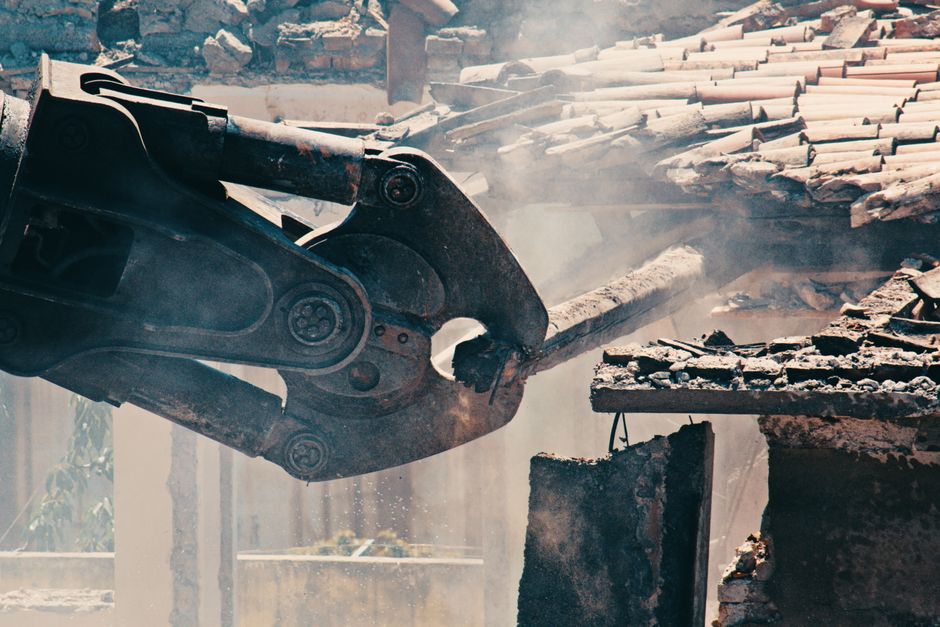
A demolition contractor specializes in the dismantling of buildings and other structures. Their work encompasses a range of services, including the removal of hazardous materials, structural dismantling, and site cleanup. They ensure that the demolition process adheres to local regulations and safety standards, which is vital in preventing accidents and legal issues.
One of the primary responsibilities of a demolition contractor is to conduct a thorough assessment of the site before any work begins. This includes identifying the type of materials involved in the structure, potential hazards, and planning the safest method for demolition. For example, if a building contains asbestos, specialized removal techniques must be employed to ensure safety.
Additionally, a reputable contractor will handle the necessary permits and licenses required for demolition. This administrative task is crucial, as failing to obtain the correct documentation can lead to project delays and fines.
How to Choose the Right Demolition Contractor
Choosing the right demolition contractor can make or break your project. Start by researching local contractors and checking their credentials. Look for contractors with experience in the specific type of demolition you need. For instance, residential demolitions may differ significantly from commercial or industrial demolitions.
It’s also essential to check reviews and testimonials from previous clients. A contractor with a solid reputation will likely have positive feedback from past projects. You can also ask for references to get a better understanding of their work ethic and reliability.
Another critical factor is insurance. Ensure that the contractor has liability insurance to cover any damages that may occur during the demolition process. This protects both you and the contractor from potential financial losses.
Demolition Techniques and Equipment
Demolition contractors employ various techniques and equipment depending on the project’s requirements. Some common methods include mechanical demolition, which uses heavy machinery like bulldozers and excavators, and deconstruction, which focuses on carefully dismantling a structure to reuse or recycle materials.
For example, mechanical demolition is often used for larger structures where quick removal is necessary. In contrast, deconstruction is more labor-intensive but is increasingly popular due to its sustainability benefits. By salvaging materials, contractors can reduce waste and promote recycling.
In addition to these methods, contractors must be adept at using specialized equipment. This includes tools for cutting, crushing, and lifting materials, as well as safety gear to protect workers during the demolition process. The selection of the right equipment is crucial for efficiency and safety.
Safety Measures in Demolition
Safety is paramount in demolition projects. A qualified demolition contractor will have a comprehensive safety plan in place, which includes risk assessments, safety training for workers, and emergency procedures. Before any work begins, the site should be evaluated for potential hazards such as falling debris, exposed electrical wires, or unstable structures.
Moreover, contractors are responsible for ensuring that all workers are equipped with personal protective equipment (PPE), including hard hats, gloves, safety glasses, and steel-toed boots. Proper training on how to use this equipment is also essential to minimize the risk of accidents.
A demolition contractor must also consider the impact of noise and dust on the surrounding environment. Implementing dust control measures and notifying nearby residents about potential disturbances can help maintain good community relations.
Cost Factors in Demolition Projects
The cost of hiring a demolition contractor can vary widely based on several factors. Firstly, the size and complexity of the structure being demolished play a significant role in determining the price. Larger buildings or those with hazardous materials will typically cost more to demolish.
Additionally, location can influence costs due to differing local regulations and labor rates. It’s advisable to obtain multiple quotes from different contractors to compare prices and services offered. This not only helps you find the best deal but also provides insight into the market rates for demolition services.
Furthermore, consider the potential additional costs associated with disposal fees for hazardous materials or site cleanup. A transparent contractor will provide detailed estimates that outline all expected costs, helping you avoid surprises down the line.
Conclusion
Hiring a demolition contractor is a significant step in any construction project, and understanding the process is crucial for success. From assessing the site to implementing safety measures and managing costs, a skilled contractor plays a vital role in ensuring a smooth demolition process. When selecting a contractor, consider their experience, reputation, and safety protocols to make an informed decision. For expert assistance, you can rely on a professional demolition contractor to guide you through each step of the process.