
The construction industry is a cornerstone of modern civilization, playing a critical role in the development of infrastructure, residential areas, and commercial properties. With advancements in technology and a growing emphasis on sustainability, this sector is undergoing a significant transformation. In this article, we will explore the current trends, challenges, and innovations shaping the future of construction.
Current Trends in Construction
One of the most notable trends in the construction industry is the increasing adoption of technology. Innovations such as Building Information Modeling (BIM), drones, and 3D printing are revolutionizing how projects are planned and executed. For instance, BIM allows architects and engineers to create comprehensive digital models that facilitate better collaboration and reduce errors in the construction process.
Moreover, drones are being utilized for site surveys and inspections, providing real-time data and enhancing safety measures. According to a report by McKinsey, companies that adopt these technologies can see productivity improvements of up to 15%. This shift towards technology not only streamlines operations but also helps in managing costs effectively.
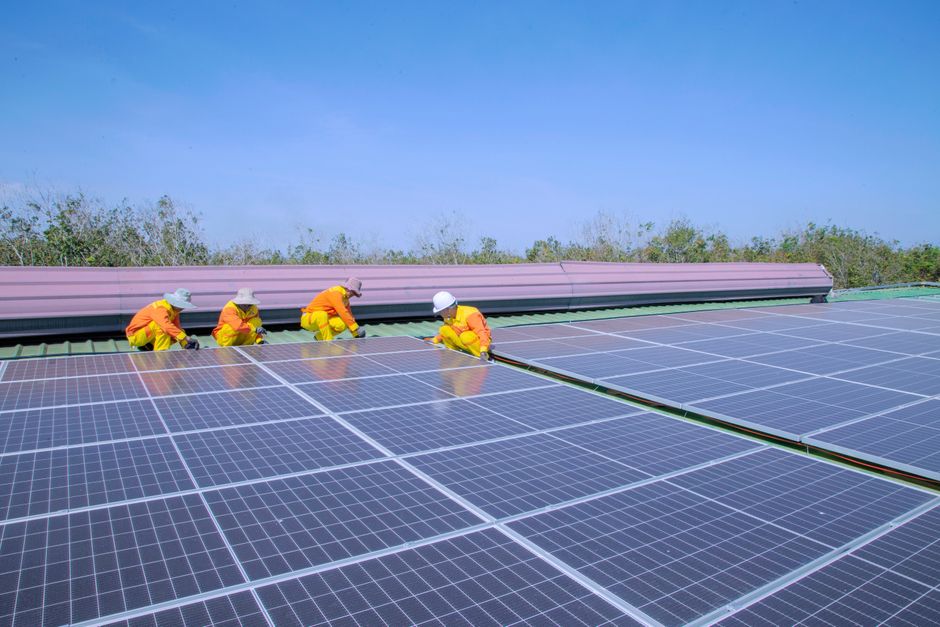
In addition to technological advancements, sustainability is becoming a focal point in construction. Builders are increasingly seeking eco-friendly materials and practices to minimize their environmental footprint. Techniques such as green building certifications and energy-efficient designs are gaining traction. These initiatives not only benefit the planet but also attract environmentally conscious consumers.
Challenges Facing the Industry
Despite the promising advancements, the construction industry faces several challenges. One of the most pressing issues is the skilled labor shortage. According to the National Association of Home Builders, 75% of builders reported difficulty finding skilled workers in 2021. This shortage can lead to project delays and increased labor costs, ultimately impacting the overall productivity of the industry.
Another significant challenge is the volatility of material costs. Fluctuations in the prices of raw materials like steel and lumber can drastically affect project budgets. For example, the price of lumber increased by over 300% in 2020, causing many projects to be put on hold. Effective supply chain management and strategic sourcing are essential for mitigating these risks.
Innovations Driving Change
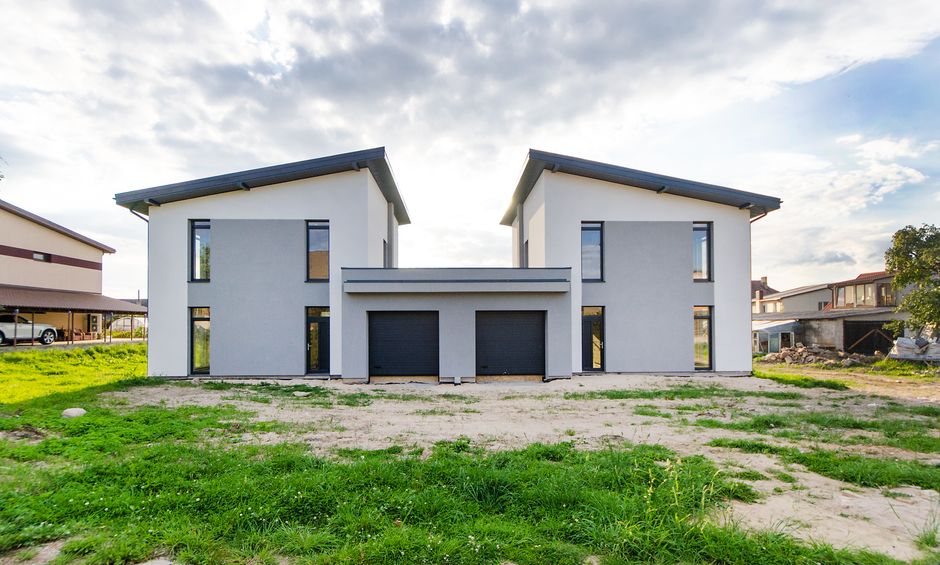
As the construction industry adapts to these challenges, numerous innovations are driving change. Prefabrication and modular construction are gaining popularity, allowing for faster build times and reduced waste. This method involves constructing building sections off-site and assembling them on-site, leading to increased efficiency.
Moreover, the integration of smart technology into buildings is becoming more prevalent. Smart thermostats, energy management systems, and IoT devices are being incorporated into new constructions, providing enhanced comfort and operational efficiency. These innovations not only improve the user experience but also contribute to long-term energy savings.
Furthermore, advancements in materials science are leading to the development of stronger, lighter, and more durable materials. For instance, new concrete formulations are being created to withstand extreme weather conditions, significantly extending the lifespan of structures. These innovations are crucial as the industry faces the realities of climate change and the need for resilient infrastructure.
The Future of Construction
Looking ahead, the future of the construction industry appears promising. As technology continues to evolve, we can expect further improvements in efficiency and sustainability. The integration of artificial intelligence and machine learning into construction processes will enable predictive analytics, helping companies make informed decisions and optimize project outcomes.
Additionally, the rise of remote work and digital collaboration tools is likely to reshape project management. Teams can work together seamlessly, regardless of their physical location, leading to enhanced communication and productivity. As the industry embraces these changes, it will become increasingly important for companies to invest in training and development to equip their workforce with the necessary skills.
In conclusion, the construction industry is at a pivotal moment, marked by technological advancements and a commitment to sustainability. To thrive in this evolving landscape, stakeholders must adapt to new challenges and embrace innovative practices. As a result, the construction industry will not only build structures but also lay the groundwork for a sustainable future.