
In the modern world, where agricultural productivity is paramount, the significance of an efficient irrigation system cannot be overstated. As climate change continues to impact weather patterns, the need for advanced irrigation techniques has become critical for farmers and landowners alike. This article delves into the various aspects of irrigation systems, their types, benefits, and their role in sustainable agriculture.
Types of Irrigation Systems
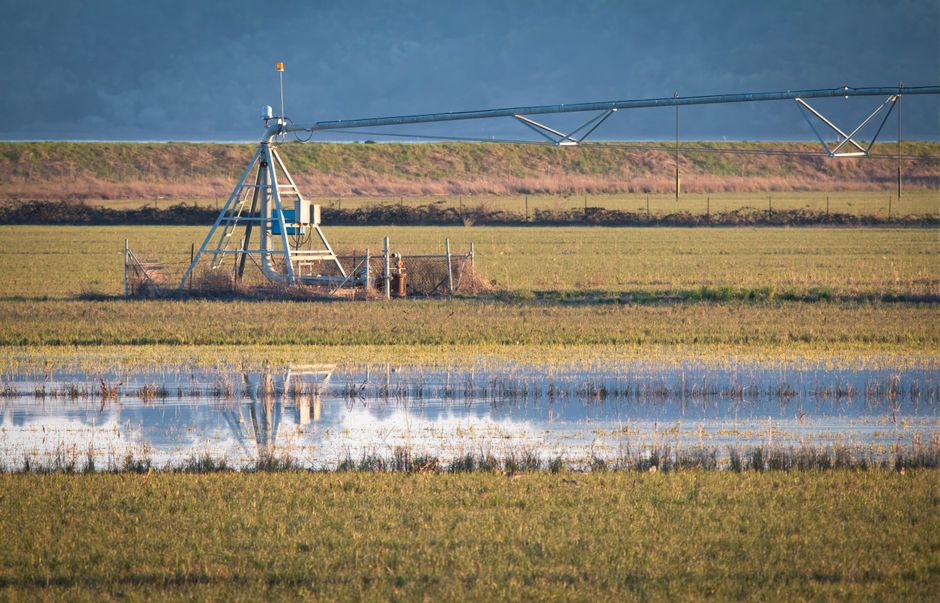
There are several types of irrigation systems, each designed to meet specific agricultural needs. The most common types include surface irrigation, drip irrigation, and sprinkler systems. Surface irrigation involves the application of water over the soil surface, allowing it to infiltrate into the root zone. This method is often used in fields with flat topography.
Drip irrigation, on the other hand, is a more efficient method that delivers water directly to the plant roots through a network of tubing and emitters. This system minimizes water wastage and is particularly useful in arid regions or for high-value crops. Sprinkler systems utilize a network of pipes to distribute water in the form of droplets, simulating natural rainfall. They can be stationary or mobile, providing flexibility in irrigation practices.
Benefits of an Efficient Irrigation System
Implementing an efficient irrigation system offers numerous benefits, not only to farmers but also to the environment. One of the primary advantages is the conservation of water resources. With traditional methods often leading to significant water loss through evaporation and runoff, modern systems like drip irrigation can reduce water usage by up to 50%.
Moreover, an efficient irrigation system enhances crop yield and quality. By ensuring that plants receive the right amount of water at the right time, farmers can achieve better growth rates and higher harvests. This is particularly important in regions where water scarcity is a pressing issue.
In addition to these benefits, irrigation systems can also help in soil conservation and erosion control. Properly designed irrigation practices can maintain soil moisture levels, reducing the likelihood of erosion and nutrient loss.
Technological Advancements in Irrigation
As technology evolves, so do irrigation systems. Automation and smart technology are increasingly being integrated into irrigation practices. For instance, sensors can monitor soil moisture levels and weather conditions, allowing for precise watering schedules. This not only saves water but also ensures optimal growth conditions for crops.
Furthermore, advancements in data analytics enable farmers to make informed decisions regarding irrigation management. By analyzing data related to crop health, soil conditions, and weather forecasts, farmers can optimize their irrigation strategies for better efficiency and higher productivity.
One notable example of technology in irrigation is the use of drones for agricultural monitoring. Drones can provide real-time data on crop health and irrigation needs, allowing farmers to address issues swiftly and effectively.
Challenges in Implementing Irrigation Systems
Despite the clear advantages of efficient irrigation systems, several challenges can hinder their implementation. One significant issue is the initial cost of installation. While long-term savings are substantial, the upfront investment for advanced systems can be a barrier for many farmers.
Additionally, the availability of water resources is a critical concern. In regions where water scarcity is prevalent, securing water rights can be a complex and contentious issue. Farmers must navigate regulations and compete with other users for limited resources.
Lastly, ongoing maintenance and management of irrigation systems require expertise and resources. Farmers must be equipped with the knowledge to operate and maintain these systems effectively to ensure their longevity and efficiency.
Conclusion
In conclusion, effective irrigation systems play a vital role in modern agriculture, enabling farmers to maximize productivity while conserving precious water resources. As technology continues to advance, the potential for more efficient and sustainable irrigation practices will only grow. By understanding the types, benefits, and challenges of irrigation systems, farmers and landowners can make informed decisions that will enhance their agricultural practices for years to come. For further insights into various irrigation methods and their applications, consider exploring the latest research on irrigation systems.