
The commercial real estate (CRE) market is experiencing significant changes driven by various factors such as technological advancements, shifts in consumer behavior, and the evolving dynamics of the workforce. As we move further into the 21st century, understanding these trends becomes crucial for investors, developers, and businesses alike. This article delves into the current landscape of commercial real estate, what to expect in the coming years, and how stakeholders can adapt their strategies to thrive in this ever-changing environment.
Understanding the Current Landscape of Commercial Real Estate

The commercial real estate market encompasses various property types, including office buildings, retail spaces, industrial warehouses, and multifamily housing. According to a report by the National Association of Realtors, the total value of commercial real estate in the United States exceeded $17 trillion in 2021. This staggering figure highlights not only the importance of this sector in the economy but also the opportunities that await savvy investors.
One of the most significant shifts in recent years has been the rise of remote work, which has dramatically affected the demand for office space. Many companies are now reconsidering their real estate needs, opting for flexible workspaces or downsizing their physical offices. This trend is likely to continue as businesses adjust to hybrid working models, which could lead to a surplus of office space in some markets.
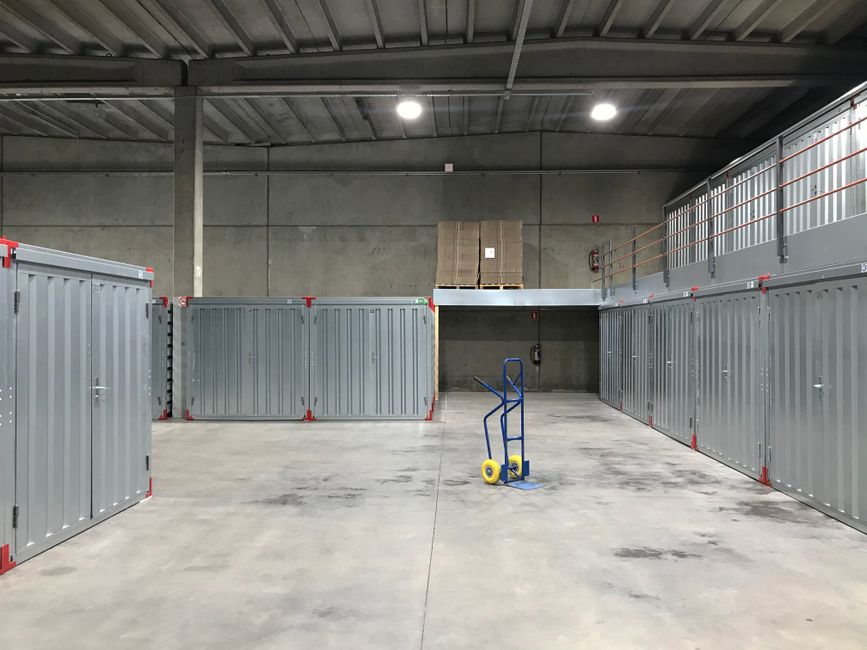
Additionally, e-commerce growth has transformed the retail sector, with many brick-and-mortar stores closing or adapting to online sales. This shift has prompted investors to rethink their retail strategies, focusing more on properties that can accommodate logistics and distribution centers.
Key Trends Shaping the Future of Commercial Real Estate
As we look to the future, several key trends are emerging in the commercial real estate sector. Firstly, sustainability is becoming a focal point for investors and developers. Properties that meet green building standards are increasingly in demand, as businesses prioritize environmentally friendly practices. According to a survey by CBRE, 80% of investors consider sustainability a critical factor in their decision-making process.
Another trend is the integration of technology in property management and tenant experiences. Smart buildings equipped with IoT devices and advanced security systems are becoming the norm, enhancing safety and efficiency. Moreover, virtual reality (VR) and augmented reality (AR) are being utilized for property tours and marketing, allowing potential tenants and buyers to experience spaces remotely.
Lastly, the rise of mixed-use developments is gaining traction. These projects combine residential, commercial, and recreational spaces, creating vibrant communities that attract a diverse range of tenants. As urban populations continue to grow, mixed-use developments offer a practical solution to housing and commercial needs.
Strategies for Investors in Commercial Real Estate
For investors looking to capitalize on the shifting landscape of commercial real estate, several strategies can be employed. First and foremost, conducting thorough market research is essential. Understanding local market dynamics, such as vacancy rates and rental trends, can provide valuable insights into potential investment opportunities.
Investors should also consider diversifying their portfolios to mitigate risks associated with changing market conditions. This could involve investing in various property types or geographic locations to spread risk and enhance overall returns.
Additionally, forming partnerships with experienced local developers or real estate firms can provide access to exclusive deals and valuable market knowledge. Leveraging technology for property management and tenant engagement can also improve operational efficiency and enhance tenant satisfaction.
The Role of Financing in Commercial Real Estate
Financing plays a crucial role in commercial real estate transactions. With interest rates fluctuating and economic uncertainties looming, securing favorable financing terms is more critical than ever. Investors should explore various financing options, including traditional bank loans, real estate investment trusts (REITs), and crowdfunding platforms.
Moreover, understanding the financial metrics that drive commercial real estate, such as cap rates, cash-on-cash returns, and internal rate of return (IRR), can help investors make informed decisions. Utilizing financial modeling tools can assist in projecting cash flows and assessing the viability of potential investments.
Lastly, maintaining strong relationships with lenders and financial institutions can provide investors with more favorable financing options and timely access to capital when opportunities arise.
Conclusion
The commercial real estate market is at a pivotal juncture, influenced by a myriad of factors that will shape its future. By staying informed about emerging trends and adapting strategies accordingly, investors and developers can position themselves for success in this dynamic environment. Emphasizing sustainability, leveraging technology, and diversifying portfolios will be key to navigating the complexities of the commercial real estate landscape. As the market continues to evolve, those who embrace change and innovate will undoubtedly thrive in the years to come. For those looking to explore opportunities in the market, visiting platforms dedicated to commercial real estate can provide valuable insights and listings.