
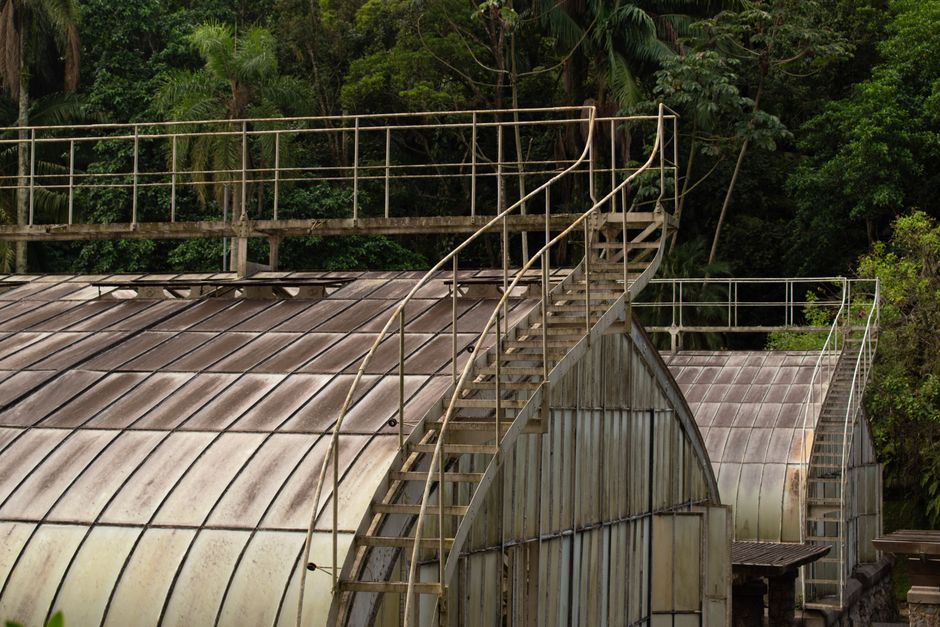
Greenhouses have become a cornerstone of modern agriculture, offering controlled environments that significantly enhance plant growth and yield. The right greenhouse equipment is essential for maximizing efficiency and ensuring healthy plant development. In this article, we will explore the various types of equipment needed for effective greenhouse management, including climate control systems, irrigation systems, and supplemental lighting.
Climate Control Systems
One of the most critical aspects of greenhouse management is maintaining an optimal climate for plant growth. Climate control systems include heating, cooling, and ventilation equipment that regulate temperature and humidity levels. For instance, heating systems such as gas-fired heaters or electric heaters are vital for extending the growing season, especially in colder climates. Studies have shown that maintaining a consistent temperature can increase crop yield by up to 30%.
Cooling systems, such as evaporative coolers and exhaust fans, help to lower temperatures during hot weather, preventing heat stress on plants. Additionally, proper ventilation is necessary to ensure adequate air circulation, which can reduce the risk of fungal diseases. Investing in an automated climate control system can further enhance efficiency, allowing growers to monitor and adjust conditions remotely.
Irrigation Solutions
Irrigation is another essential component of greenhouse management. Efficient watering systems ensure that plants receive the right amount of moisture without overwatering. Drip irrigation systems are particularly popular in greenhouses, as they deliver water directly to the root zone, minimizing waste and reducing the risk of disease.
Moreover, integrating timers and sensors within the irrigation system can optimize water usage. For example, soil moisture sensors can provide real-time data on the moisture levels within the soil, allowing for more precise watering schedules. Research indicates that using such technology can reduce water usage by up to 50%, making it both cost-effective and environmentally friendly.
Lighting Equipment
Supplemental lighting is crucial for maximizing plant growth, particularly in regions with limited natural sunlight. LED grow lights have gained popularity due to their energy efficiency and ability to provide specific light wavelengths that enhance photosynthesis. These lights can be tailored to the needs of different plant species, promoting faster growth and higher yields.
Additionally, the use of light timers can help simulate day-length variations, which is essential for flowering and fruiting in many crops. Studies have shown that providing adequate light during the early stages of plant growth can lead to a 20% increase in overall yield. Therefore, investing in quality lighting equipment is a vital aspect of successful greenhouse management.
Automation and Monitoring Systems
Automation technology is revolutionizing greenhouse management, allowing for real-time monitoring and adjustments to environmental conditions. Automation systems can control heating, cooling, irrigation, and lighting, reducing the labor required for manual management. This technology not only saves time but also ensures that plants are cared for consistently.
For instance, remote monitoring systems enable growers to track temperature, humidity, and soil moisture levels from their smartphones or computers. This immediate access to data allows for quick decision-making, which can prevent potential issues before they escalate. According to industry experts, implementing automation can boost productivity by up to 40%, making it a worthwhile investment for greenhouse operators.
Choosing the Right Greenhouse Equipment
When selecting greenhouse equipment, it is essential to consider the specific needs of the crops being grown and the local climate conditions. Conducting thorough research and consulting with experienced growers can provide valuable insights into the best equipment for your greenhouse.
Additionally, it is advisable to choose high-quality equipment that offers reliability and durability. Investing in well-made greenhouse equipment not only enhances productivity but also reduces the likelihood of costly repairs or replacements in the future. For those looking to explore a variety of options, reputable suppliers can provide a wide range of greenhouse equipment to meet diverse needs.
Ultimately, the right greenhouse equipment plays a critical role in achieving optimal plant growth and maximizing crop yields. By integrating advanced climate control systems, efficient irrigation solutions, effective lighting, and automation technologies, greenhouse operators can create an environment that fosters healthy plants and boosts productivity.
Conclusion
In conclusion, effective greenhouse management relies heavily on the selection of appropriate equipment. From climate control systems to irrigation and lighting solutions, each component plays a vital role in creating an ideal growing environment. By investing in the right greenhouse equipment, growers can enhance productivity, reduce resource waste, and ultimately achieve higher yields. For those interested in exploring available options, consider checking out various suppliers to find the best solutions tailored to your greenhouse needs. Investing in quality equipment today can pave the way for successful and sustainable greenhouse operations in the future. For more information about greenhouse equipment, visit greenhouse equipment.