
In the world of automotive customization, car wrap services have emerged as a popular choice for vehicle owners looking to enhance the aesthetics and functionality of their cars. These wraps not only provide a fresh look but also protect the original paintwork from scratches and UV damage. This article will delve into the various aspects of car wrap services, including the benefits, types of materials used, and what to consider before getting your vehicle wrapped.
The Benefits of Car Wrap Services
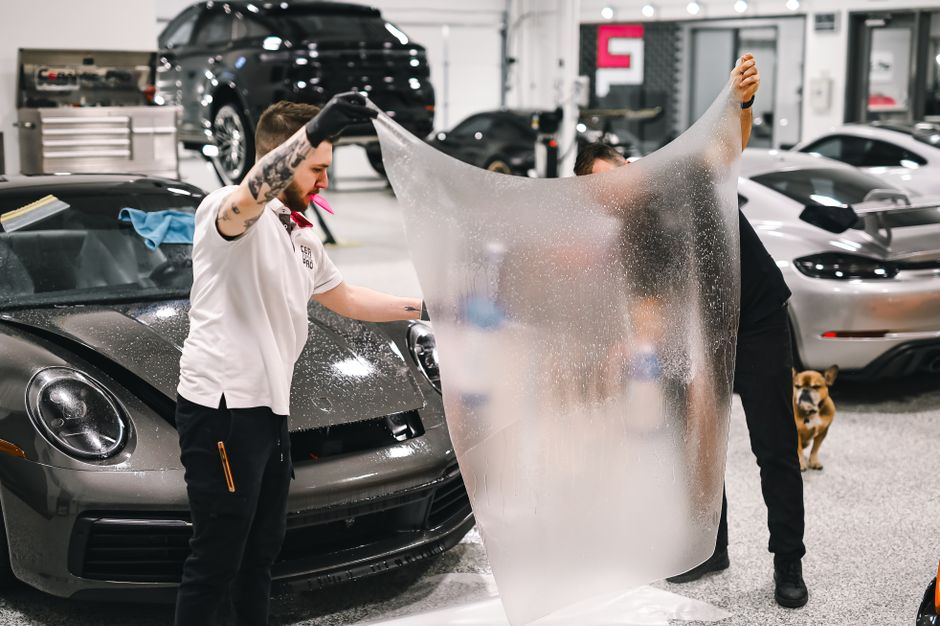
Car wraps offer a myriad of benefits for vehicle owners. Firstly, they can significantly alter the appearance of your car without the need for a costly paint job. For instance, a high-quality wrap can mimic the look of a matte or glossy finish, providing versatility in design choices. Additionally, wraps are removable, allowing for easy changes in style or color without damaging the vehicle’s original paint.
Another notable advantage is the protection that a car wrap provides. The vinyl material acts as a barrier against environmental factors, including sunlight, dirt, and small debris, which can lead to paint deterioration over time. This protective layer can help maintain the vehicle’s resale value by preserving the condition of the original paint.
Moreover, car wraps are often more cost-effective compared to traditional repainting. While a professional paint job can cost thousands of dollars, a full vehicle wrap may range from $2,000 to $5,000, depending on the size of the vehicle and the complexity of the design. This makes wraps an accessible option for those looking to customize their vehicles without breaking the bank.
Understanding Different Types of Car Wrap Materials
When considering a car wrap service, it’s essential to understand the types of materials available. There are primarily two types of vinyl materials used: cast vinyl and calendered vinyl. Cast vinyl is thinner and more durable, making it ideal for intricate designs and long-lasting applications. It’s designed to conform to complex curves and contours, ensuring a seamless look.
On the other hand, calendered vinyl is thicker and generally less expensive. It works well for flat surfaces and less complicated designs but may not perform as well in terms of longevity, especially in extreme weather conditions. Understanding the differences between these materials can help you make an informed decision based on your needs and budget.
Additionally, specialty wraps are available, including reflective, metallic, and carbon fiber finishes. These unique options can add an extra flair to your vehicle, allowing for personalized designs that stand out on the road.
Choosing the Right Car Wrap Service
Selecting a reliable car wrap service is crucial for ensuring a high-quality installation. Start by researching local businesses and reading customer reviews to gauge their reputation. A well-established company will have a portfolio showcasing their previous work, which can provide insight into their level of expertise and design capabilities.
It’s also important to ask about the installation process. A professional service should offer a comprehensive consultation to understand your vision and recommend the best materials for your project. During the installation, skilled technicians will meticulously apply the wrap to avoid bubbles and creases, ensuring a flawless finish.
Furthermore, inquire about warranties and maintenance guidelines. A reputable provider should offer a warranty on their materials and installation, giving you peace of mind regarding the longevity of your wrap. Regular maintenance, such as gentle washing and avoiding harsh chemicals, can also extend the life of your vehicle wrap.
Cost Considerations and Budgeting
When budgeting for a car wrap service, it’s essential to consider various factors that can influence the overall cost. The size of the vehicle plays a significant role; larger vehicles, such as SUVs or trucks, will typically cost more to wrap than smaller cars. Additionally, intricate designs or custom graphics will increase the price due to the additional labor and materials required.
On average, a full vehicle wrap can range from $2,500 to $5,000, while partial wraps or simpler designs may start around $1,000. Always request quotes from multiple providers to compare prices and ensure you’re getting the best value for your investment.
Keep in mind that while the initial expense may seem high, the long-term benefits, including protection and enhanced resale value, can make car wraps a smart financial decision for many vehicle owners.
Conclusion
In conclusion, car wrap services offer a unique and practical solution for those looking to personalize their vehicles while protecting their investment. With various materials, designs, and benefits, these services cater to a wide range of preferences and budgets. By understanding the advantages and considerations involved, you can make an informed decision and enjoy the transformation that a professional car wrap can provide. Whether you’re looking to advertise your business or simply want a fresh look, investing in a car wrap service can be a rewarding choice that enhances both the aesthetics and value of your vehicle.