
Stainless steel has become a staple in various industries, ranging from architecture to kitchenware. Its unique properties, including resistance to corrosion and exceptional strength, make it an ideal choice for both functional and aesthetic applications. In this article, we will explore the numerous advantages of stainless steel, its applications, and why it has garnered immense popularity in modern design.
Understanding Stainless Steel

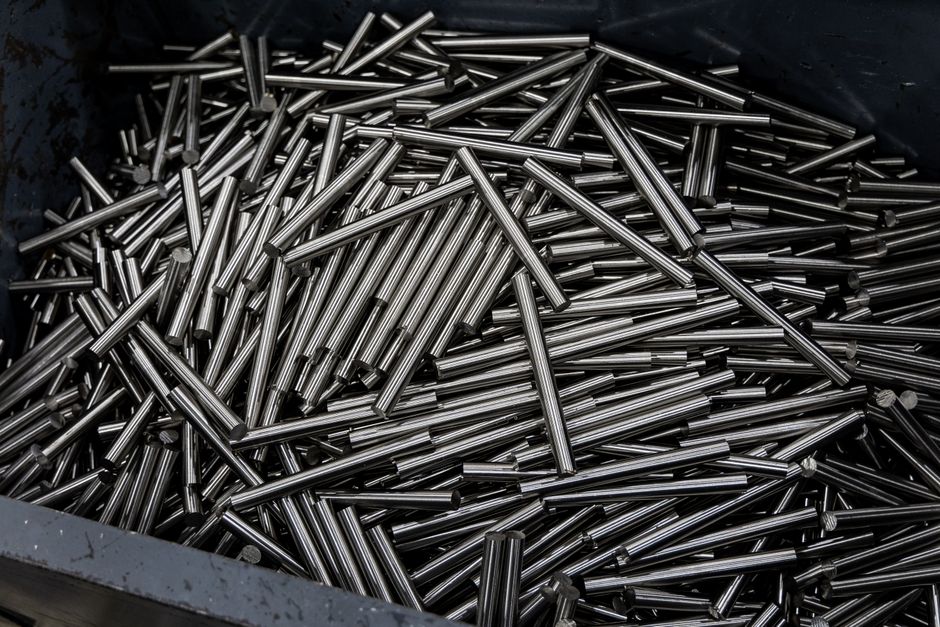
Stainless steel is an alloy composed primarily of iron, chromium, and nickel. The addition of chromium is what gives stainless steel its characteristic resistance to rust and staining, making it a practical choice for appliances and tools exposed to moisture. Depending on the percentages of these elements, various types of stainless steel can be produced, each with distinct properties and uses.
One of the most common types of stainless steel is 304, which is widely used in kitchen equipment due to its excellent corrosion resistance and ease of fabrication. Another notable type is 316 stainless steel, which contains molybdenum for enhanced resistance to chloride corrosion, making it ideal for marine applications.
The manufacturing process of stainless steel involves recycling scrap metal, making it an environmentally friendly choice. Its durability also means that products made from stainless steel have a long lifespan, contributing to sustainability efforts.
Applications of Stainless Steel
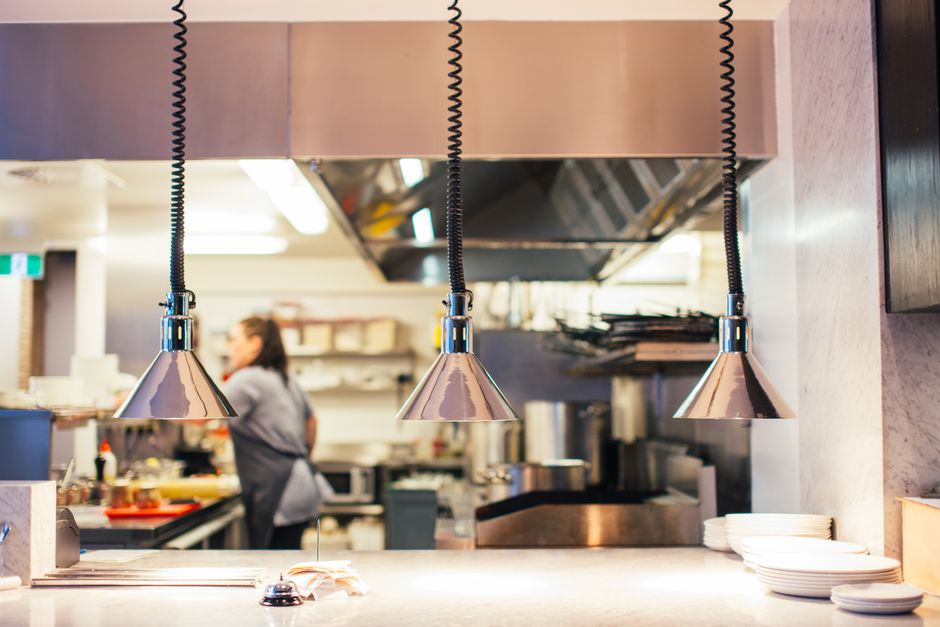
The applications of stainless steel are vast and varied. In the culinary world, stainless steel is the material of choice for pots, pans, and utensils due to its ability to withstand high temperatures and resist stains. Additionally, it is non-reactive, meaning it does not alter the flavor of food, which is crucial for chefs and home cooks alike.
In architecture, stainless steel is utilized for facades, railings, and structural components. Its sleek appearance and reflective properties enhance the aesthetic appeal of buildings, while its strength ensures safety and longevity. For example, the iconic Guggenheim Museum in Bilbao features stainless steel as a key design element, showcasing both its beauty and functionality.
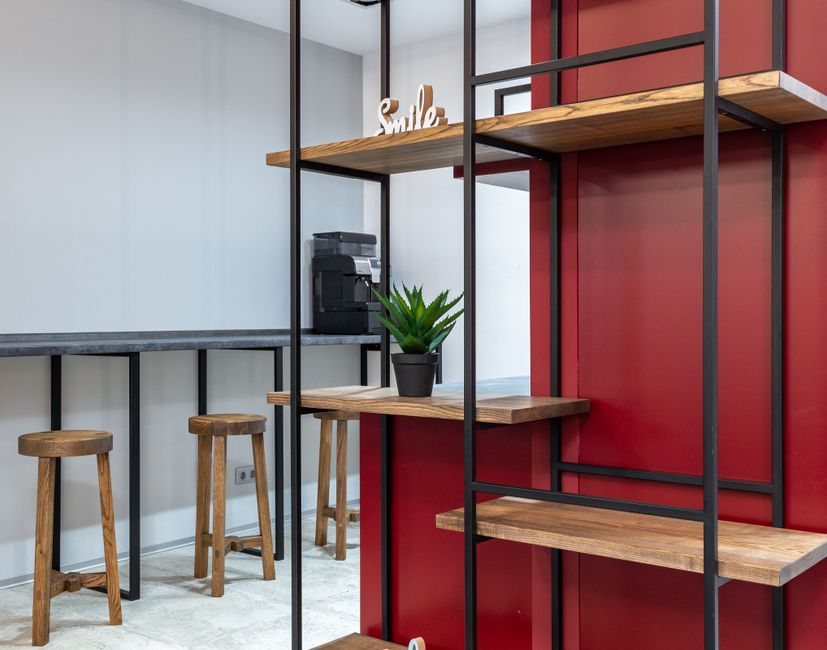
Another significant application is in the furniture industry, where stainless steel is used for tables, chairs, and shelving. Its modern look and durability make it a favorite among interior designers. For instance, many contemporary outdoor furniture pieces are crafted from stainless steel, as they can withstand various weather conditions without rusting.
To explore high-quality furniture options, consider looking into a Furniture Company In Saudi Arabia that specializes in stainless steel designs. This can provide a great blend of style and functionality for your home or office.
Advantages of Using Stainless Steel
The benefits of using stainless steel are numerous. Firstly, its corrosion resistance is unmatched, making it ideal for environments with high humidity or exposure to chemicals. This property ensures that stainless steel products maintain their appearance and structural integrity over time.
Secondly, stainless steel is incredibly durable. It can withstand heavy loads and resist impacts, which is why it is often used in construction and manufacturing. Additionally, its ability to retain strength at high temperatures makes it suitable for industrial applications.
Furthermore, stainless steel is easy to clean and maintain. Its non-porous surface prevents the accumulation of bacteria, making it a hygienic choice for kitchens and medical settings. Regular cleaning with soap and water is usually sufficient to keep stainless steel looking new.
Future Trends in Stainless Steel Design
As the demand for sustainable materials grows, stainless steel is likely to continue its upward trend in various industries. Innovations in manufacturing processes are making it easier to produce stainless steel with lower environmental impact, further enhancing its appeal.
Moreover, the design possibilities with stainless steel are expanding. With advances in technology, designers are experimenting with different finishes, colors, and forms, allowing for more creative applications. This evolution is evident in modern art installations and furniture designs that push the boundaries of traditional aesthetics.
In the realm of technology, stainless steel is finding new applications in wearable devices and electronics, where it is valued for its strength and sleek look. This trend indicates a bright future for stainless steel in both functional and decorative roles.
Conclusion
Stainless steel stands out as a versatile, durable, and aesthetically pleasing material that meets the demands of modern design. Its applications across various fields, from culinary to architectural, demonstrate its adaptability and effectiveness. As we continue to innovate and prioritize sustainability, stainless steel will undoubtedly remain at the forefront of material choices, shaping the future of design and functionality.