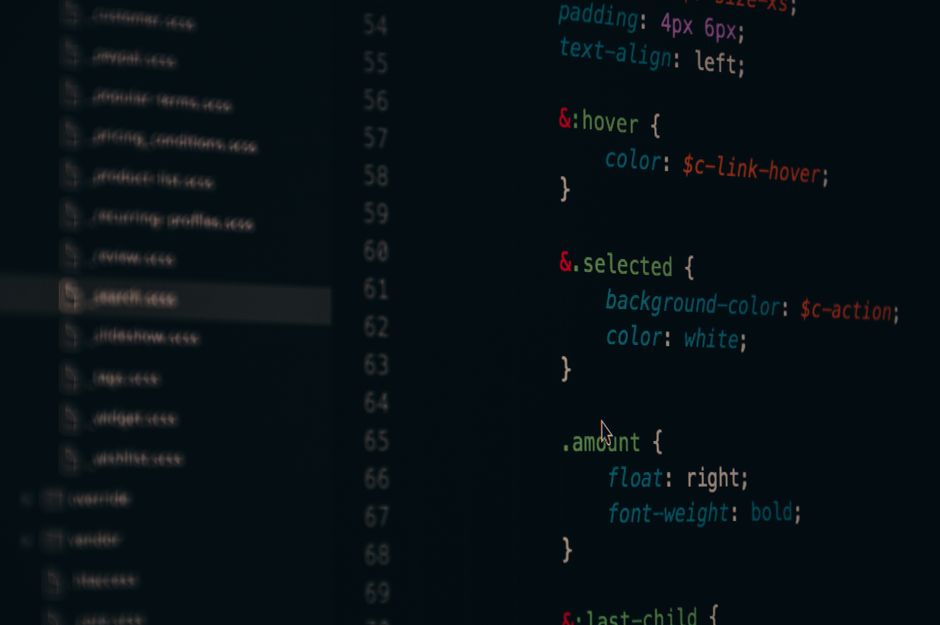

In the ever-evolving digital landscape, web design stands as a crucial element that can make or break a business’s online presence. It is not merely about aesthetics; it involves a careful blend of creativity and functionality to create engaging user experiences. This article delves into the critical aspects of web design, offering insights on modern trends, essential principles, and practical tips for anyone looking to enhance their digital footprint.
Understanding the Basics of Web Design

Web design encompasses a range of disciplines and skills in the production and maintenance of websites. This includes graphic design, interface design, user experience (UX) design, and search engine optimization (SEO). The primary aim is to create a website that is not only visually appealing but also user-friendly and accessible. According to a study by Google, 53% of mobile users abandon sites that take longer than three seconds to load, underscoring the importance of speed in web design.
Moreover, a well-designed website enhances usability, making it easier for visitors to navigate and find the information they need. Key principles of effective web design include consistency, intuitive navigation, and clear calls to action. These elements ensure that users have a seamless experience, which can significantly impact conversion rates.
Current Trends in Web Design
As technology progresses, so do the trends in web design. One of the most prominent trends is the use of minimalism. Clean lines, ample white space, and a focus on essential content help in creating a straightforward user experience. Websites that embrace minimalism tend to load faster and are easier for users to navigate.
Another significant trend is the rise of responsive design. With the increasing use of mobile devices, ensuring that a website looks good and functions well on various screen sizes is essential. Responsive design not only improves user experience but also has a positive impact on SEO. Google prioritizes mobile-friendly sites in its search results, making this a critical consideration for web designers.
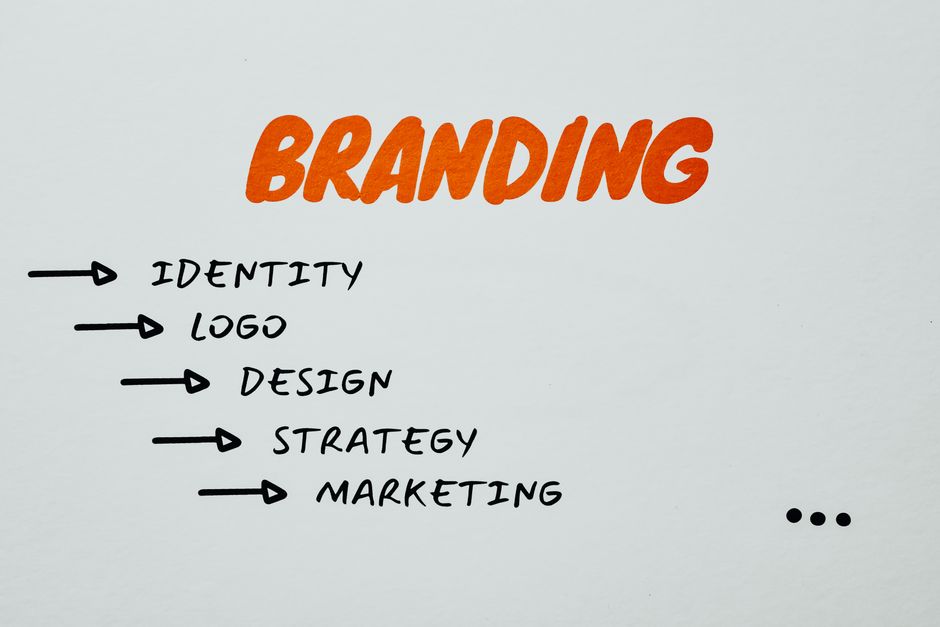
Additionally, the use of bold typography and vibrant colors has gained traction. These elements can enhance branding and help to convey a company’s message more effectively. The combination of visual elements and functional design creates a captivating digital experience that resonates with users.
Best Practices for Effective Web Design
To create an effective website, it is vital to follow certain best practices. First and foremost, understanding your target audience is crucial. Conducting user research can provide insights into the preferences and behaviors of your potential visitors. This information can guide design choices and content creation.
Another best practice is to prioritize content. High-quality, relevant content is key to engaging users and improving SEO. Utilizing headings, bullet points, and visuals can make content more digestible and appealing. According to HubSpot, companies that prioritize blogging are 13 times more likely to see a positive ROI, highlighting the importance of content in web design.
Incorporating accessibility features is also essential. A website should be usable by everyone, including individuals with disabilities. This includes using alt tags for images, ensuring proper contrast ratios, and providing text alternatives for multimedia content. By embracing inclusivity, web designers can reach a broader audience.
The Future of Web Design
As we look to the future, web design will continue to evolve in response to technological advancements and changing user expectations. One exciting development is the integration of artificial intelligence (AI) in design processes. AI tools can analyze user behavior and optimize website elements in real-time, enhancing user experience.
Moreover, the use of augmented reality (AR) and virtual reality (VR) in web design is on the rise. These technologies offer immersive experiences that can engage users in ways traditional web design cannot. For example, e-commerce sites are beginning to implement AR features that allow customers to visualize products in their own space before making a purchase.
Furthermore, sustainability is becoming a critical consideration in web design. As businesses strive to reduce their carbon footprints, optimizing websites for energy efficiency will likely become a priority. This could involve reducing server loads and minimizing data transfer, contributing to a greener internet.
Conclusion
Web design is a multifaceted field that requires a balance of creativity, technical skills, and an understanding of user behavior. By keeping abreast of current trends and adhering to best practices, designers can create websites that not only look good but also function effectively. As technology continues to advance, embracing new tools and methodologies will be essential in crafting engaging digital experiences. For those looking for expert assistance, platforms like https://digitalheroes.co.in offer valuable resources and services to elevate your web design projects.