
Corporate events have become a vital part of modern business strategy. They serve not only as a platform for networking but also as an effective way to foster company culture, promote products, and build brand loyalty. With the right planning and execution, these events can significantly enhance a company’s profile and create lasting impressions on clients, partners, and employees alike.
Understanding the Role of Corporate Events
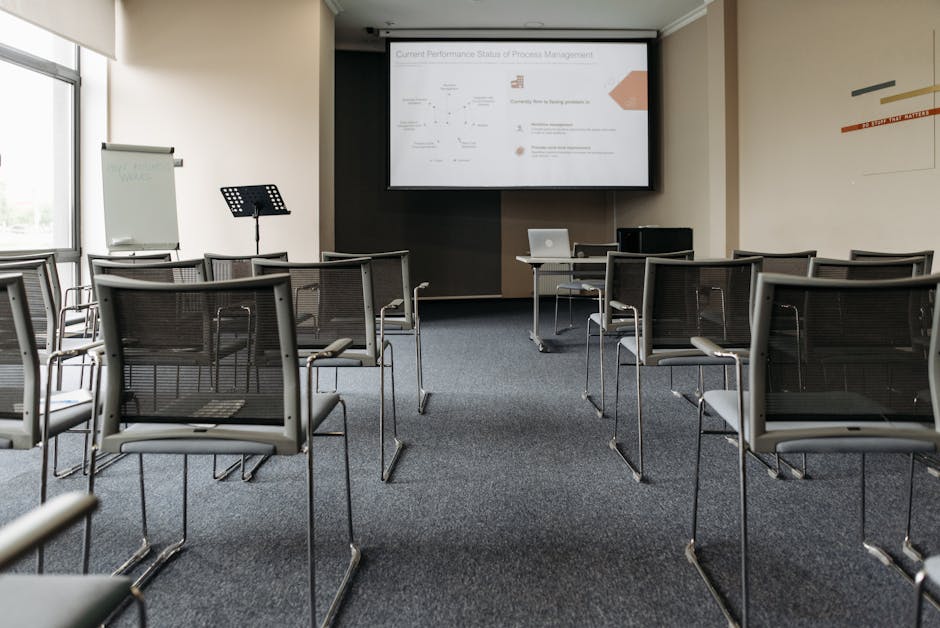
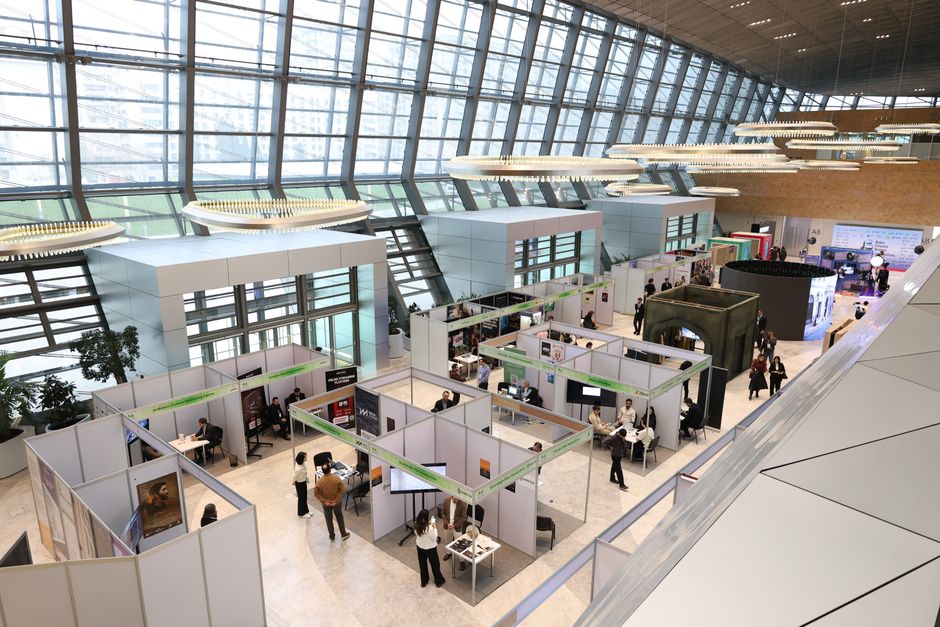
Corporate events encompass a wide range of activities, from conferences and seminars to product launches and team-building exercises. Each type of event has its unique purpose and target audience. For instance, a seminar might focus on educating employees about new industry trends, while a product launch aims to generate buzz and excitement around a new offering.
According to a survey by Eventbrite, 84% of people believe that attending events helps them build valuable relationships. This highlights the importance of networking opportunities that corporate events provide. Not only do they facilitate interaction among attendees, but they also promote collaboration and idea exchange.
Additionally, corporate events can be a reflection of a company’s values and mission. A well-organized event can showcase a company’s commitment to innovation, customer service, and community involvement, thereby enhancing its reputation in the industry.
Planning a Successful Corporate Event
Successful corporate events don’t just happen; they require meticulous planning and execution. The first step is to define the event’s objectives. What do you want to achieve? Are you looking to strengthen relationships with existing clients, attract new ones, or educate your team? Setting clear goals will guide the planning process.
Next, consider the budget. Corporate events can vary widely in cost, so it’s essential to establish a budget that aligns with your objectives. According to a report by the Events Industry Council, the average cost per person for a corporate event is around $500, but this can fluctuate based on the scale and type of event.
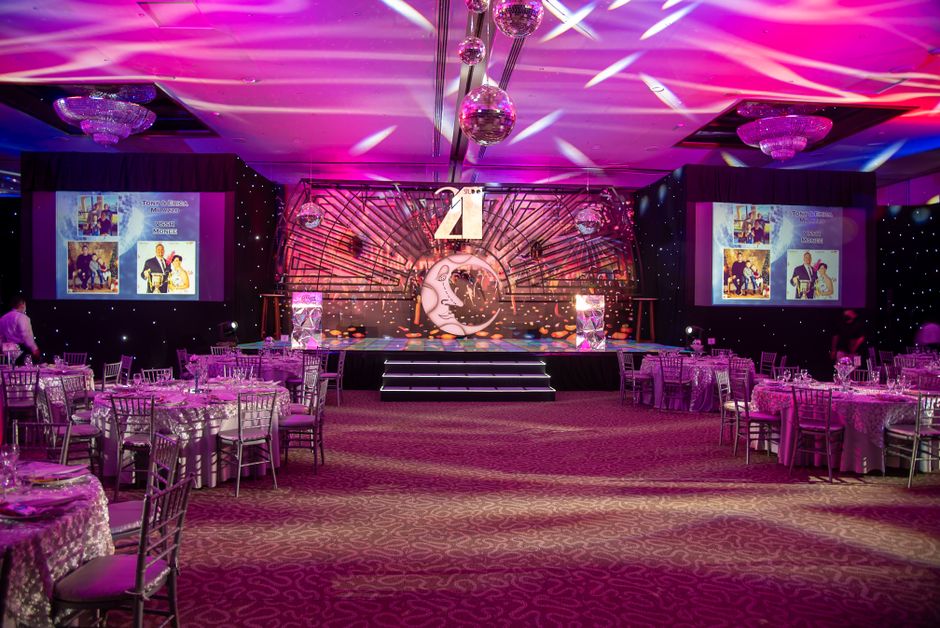
Choosing the right venue is another critical factor. It should accommodate the expected number of attendees and align with the event’s theme. For instance, if you’re hosting a formal gala, a hotel ballroom might be ideal, whereas a casual team-building event could take place outdoors or at a recreational facility.
Engaging Attendees Through Interactive Elements
Incorporating interactive elements into your corporate event can enhance attendee engagement and create a memorable experience. This can include breakout sessions, workshops, or even entertainment options such as live performances or guest speakers.
For example, hiring a Corporate Magician Boston can add a unique touch to your event. A magician can entertain guests during networking breaks, fostering a relaxed atmosphere where attendees feel more inclined to interact with one another.
Moreover, utilizing technology can also engage attendees. Features like live polling, Q&A sessions via apps, and social media integration can make the event more dynamic and interactive. By leveraging these tools, you can ensure that your event resonates with attendees long after it concludes.
Measuring the Success of Corporate Events
Once the event is over, it’s crucial to evaluate its success. This can be done through various methods, such as surveys, feedback forms, and attendance tracking. Understanding what worked well and what didn’t can provide valuable insights for future events.
Additionally, measuring the return on investment (ROI) is essential. This can include analyzing new leads generated, partnerships formed, and overall attendee satisfaction. Studies have shown that companies that measure their event ROI are 45% more likely to achieve their goals.
Incorporating feedback into future planning can create a cycle of continuous improvement, ensuring that each corporate event is better than the last.
Conclusion
Corporate events are a powerful tool for businesses looking to elevate their brand and foster relationships. With careful planning, engaging elements, and a focus on measuring success, companies can create impactful experiences that leave a lasting impression. In a world where personal connections matter more than ever, investing in corporate events can yield significant dividends for your business.