
In the complex world of commerce, distributors play a vital role in ensuring that products reach consumers efficiently. They act as intermediaries between manufacturers and retailers, facilitating the flow of goods and services. This article delves into the various aspects of distributors, their functions, and why they are essential for the successful operation of businesses.
The Role of Distributors

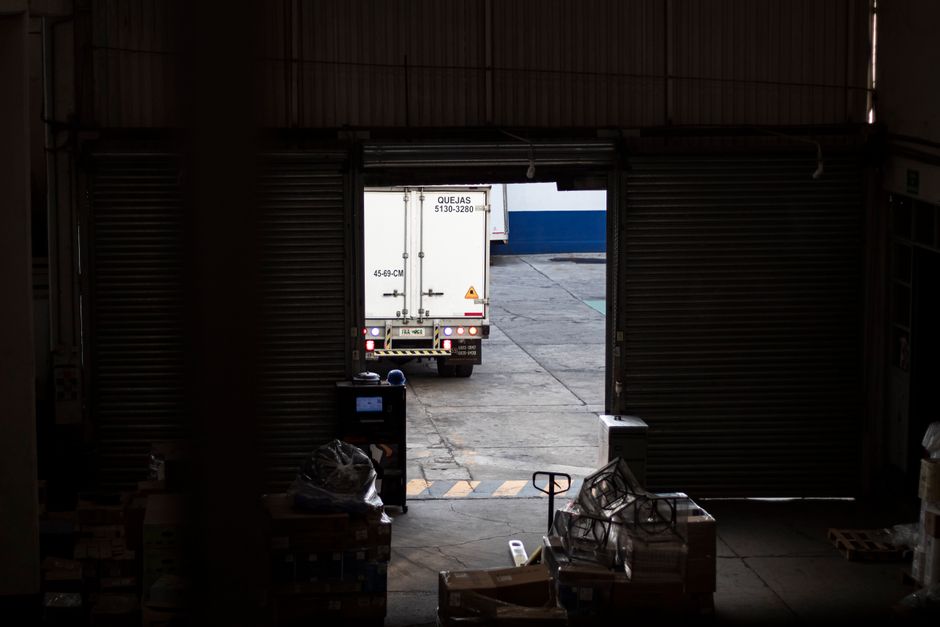
Distributors are responsible for purchasing products in bulk from manufacturers and selling them to retailers or directly to consumers. Their primary function is to bridge the gap between production and consumption. By handling the logistics of storage, transportation, and inventory management, distributors allow manufacturers to focus on production and innovation.
Moreover, distributors often provide valuable services such as marketing support, customer service, and technical assistance. They can help brands gain market insight and establish a presence in new regions, making them indispensable partners for many businesses.
Types of Distributors
There are various types of distributors, each serving different market needs. Some common types include:
- Wholesale Distributors: They buy products in large quantities and sell them to retailers. Wholesalers typically do not sell directly to consumers.
- Retail Distributors: These distributors sell products directly to consumers, usually through physical stores or online platforms.
- Value-Added Distributors: They add extra services to the products they distribute, such as customization, assembly, or installation, providing more value to their customers.
Understanding the distinctions between these types can help businesses choose the right distribution strategy for their products.
The Benefits of Using Distributors
Utilizing distributors can offer several significant benefits for businesses:
- Cost Efficiency: Distributors often have established logistics and distribution networks. This can lead to reduced shipping costs and increased efficiency in getting products to market.
- Market Reach: Distributors typically have existing relationships with retailers and experience in navigating local markets, allowing businesses to expand their reach with less effort.
- Risk Mitigation: By relying on distributors, manufacturers can share the risks associated with inventory and market fluctuations, as distributors often take on the responsibility of unsold inventory.
These advantages highlight why many companies opt to work with distributors rather than manage their distribution channels independently.
Challenges Faced by Distributors
While distributors provide essential services, they also face several challenges that can impact their operations:
- Competition: The distribution industry is highly competitive, with many players vying for the same market share. Distributors must continuously innovate and improve their offerings to stay ahead.
- Changing Consumer Preferences: As consumer preferences shift, distributors must adapt quickly to stay relevant. This may involve diversifying their product ranges or enhancing their service offerings.
- Technological Advancements: The rise of e-commerce and digital marketing requires distributors to invest in new technologies and platforms to remain competitive in the marketplace.
Addressing these challenges is critical for distributors to maintain their position as valuable partners in the supply chain.
Case Studies: Successful Distributor Partnerships
Several companies have successfully leveraged distributors to enhance their market presence:
For instance, a well-known health supplement brand partnered with a network of distributors to penetrate international markets. By doing so, they were able to increase their sales by 40% within the first year. The distributors provided localized marketing strategies and customer support, which helped the brand resonate with diverse consumer bases.
Another example involves a tech company that utilized value-added distributors to bundle their products with complementary accessories. This strategy not only increased sales but also improved customer satisfaction, as consumers appreciated the convenience of purchasing complete solutions.
Conclusion
In conclusion, distributors are a crucial component of the supply chain, facilitating the movement of products from manufacturers to consumers. Their ability to provide essential services, market insights, and logistical support makes them invaluable partners for businesses of all sizes. As the market continues to evolve, distributors must adapt to new challenges and opportunities, ensuring they remain at the forefront of the industry. By forging strong partnerships with distributors, companies can enhance their reach and efficiency, ultimately leading to greater success in the marketplace. It is clear that the role of distributors will continue to grow, and businesses must recognize their importance in achieving operational excellence.
For those seeking innovative solutions in distribution, exploring products like dmso gel can also provide additional benefits in various applications.