
In the ever-evolving world of e-commerce, dropshipping has emerged as a popular business model for entrepreneurs looking to start their online stores with minimal upfront investment. However, one of the most critical factors for success in dropshipping lies in partnering with reliable and reputable suppliers. This article explores how to find the right dropshipping suppliers to ensure your business thrives.
Understanding Dropshipping: The Basics
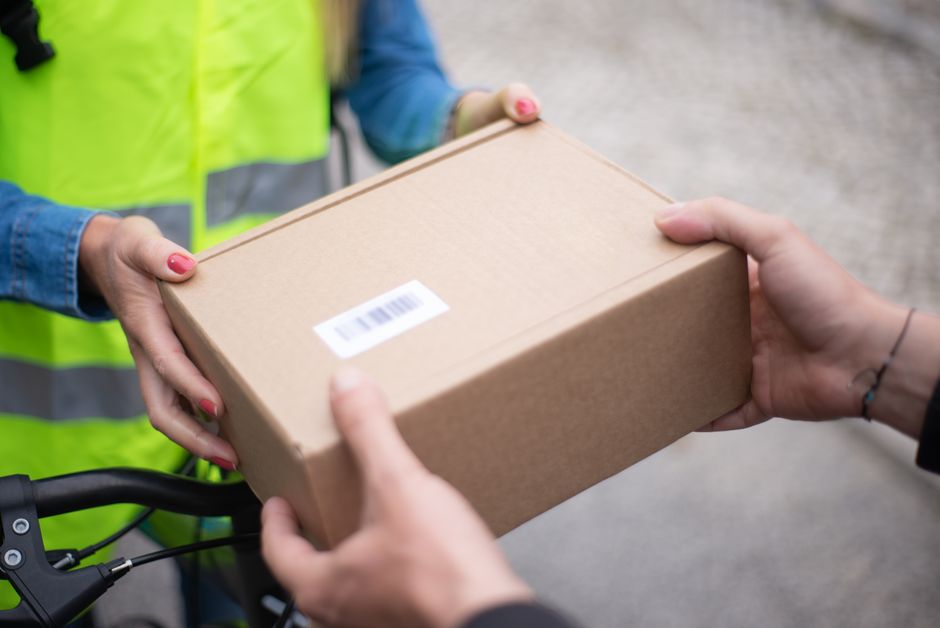
Dropshipping is a retail fulfillment method where a store doesn’t keep the products it sells in stock. Instead, when a store sells a product, it purchases the item from a third party and has it shipped directly to the customer. This eliminates the need for inventory management and reduces overhead costs. However, the success of this model hinges on the quality of the dropshipping suppliers.
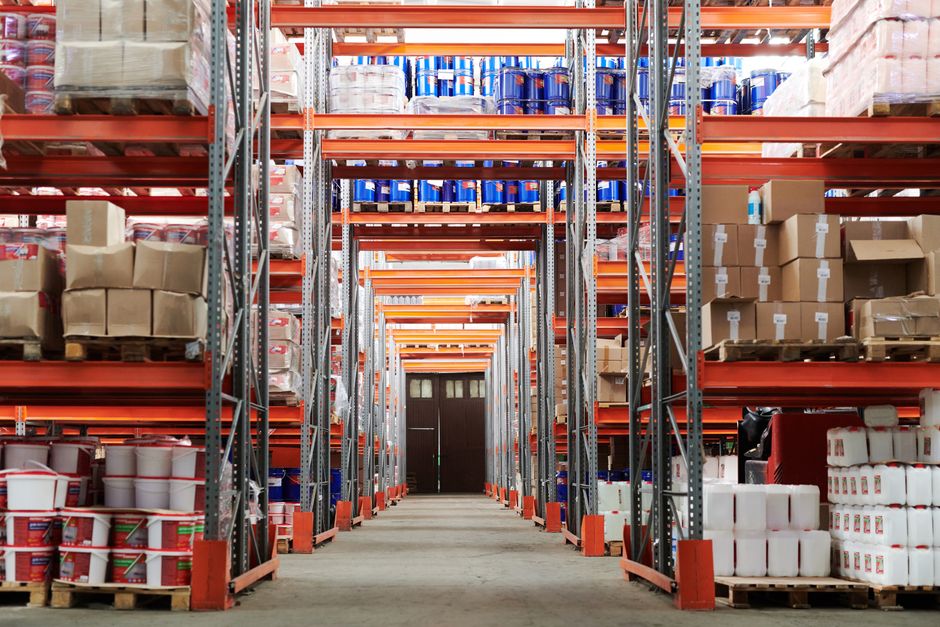
To effectively leverage dropshipping, it’s essential to understand the roles of suppliers. They are responsible for product sourcing, inventory management, and shipping. Thus, choosing the right suppliers can significantly impact your customer satisfaction and overall business performance.
How to Identify Reliable Dropshipping Suppliers
Finding the right dropshipping suppliers can be challenging, but there are several strategies you can employ. First, consider utilizing online directories that specialize in connecting retailers with suppliers. Websites like Worldwide Brands and SaleHoo offer extensive databases of verified suppliers, which can save you hours of research.
Another effective method is to attend trade shows and industry events. Meeting suppliers face-to-face allows you to establish relationships and gauge their reliability. Additionally, you can gather valuable insights from other entrepreneurs about their experiences with specific suppliers.
Don’t forget to conduct thorough background checks on potential suppliers. Look for reviews, testimonials, and ratings from other retailers. This information can provide you with a clearer picture of the supplier’s reliability and service quality.
Evaluating Supplier Performance
Once you’ve identified potential dropshipping suppliers, it’s crucial to evaluate their performance before fully committing. Start by placing small test orders to assess their shipping speed, product quality, and customer service. This step will help you identify any potential issues before you start selling their products to your customers.
Additionally, consider how well the supplier communicates. A responsive supplier can make a significant difference, especially when issues arise. Reliable communication ensures that you can quickly resolve problems and keep your customers informed.
Another aspect to evaluate is the supplier’s return policy. A clear and fair return policy can protect your business and enhance customer satisfaction. Make sure to ask potential suppliers about their policies to avoid any surprises down the line.
The Importance of Diversifying Your Supplier Base
Relying on a single dropshipping supplier can be risky. If they experience stock shortages or shipping delays, your business could face significant disruptions. To mitigate this risk, consider diversifying your supplier base.
By partnering with multiple suppliers, you can ensure that you always have access to the products your customers want, while also providing backup options in case of any issues. This strategy not only improves your reliability but also allows you to compare prices and quality among suppliers.
Moreover, diversifying suppliers can help you cater to different customer segments. For example, one supplier might specialize in high-end products, while another focuses on budget-friendly options. This variety allows you to appeal to a broader audience and increase your sales potential.
Utilizing Technology to Streamline Supplier Management
In today’s digital age, leveraging technology can significantly enhance the efficiency of managing your dropshipping suppliers. Various software solutions are available that can help you automate order processing, inventory management, and communication with suppliers.
For instance, integrating your e-commerce platform with tools like Oberlo or Spocket can streamline the process of importing products from suppliers directly into your store. These tools often provide real-time inventory updates, ensuring that you never sell out-of-stock items.
Furthermore, utilizing data analytics can help you monitor supplier performance over time. Keeping track of key metrics such as shipping times, order accuracy, and customer feedback will enable you to make informed decisions about which suppliers to prioritize in your business.
Conclusion: Building Strong Relationships with Your Suppliers
Ultimately, the key to successful dropshipping lies in establishing strong relationships with your suppliers. By investing time in finding reliable dropshipping suppliers, evaluating their performance, and diversifying your partnerships, you can build a solid foundation for your e-commerce business.
Moreover, utilizing technology to streamline supplier management will enhance your operational efficiency, allowing you to focus on growing your business. Remember, your suppliers are not just vendors; they are partners in your success. Nurturing these relationships can lead to better pricing, exclusive deals, and overall improved service for your customers.
In summary, taking the necessary steps to find and manage your dropshipping suppliers effectively will set you up for long-term success in the competitive world of e-commerce. For more information on finding reliable dropshipping suppliers, explore various resources and tools available online.