

Handmade pizza has become a culinary sensation, captivating food enthusiasts and home cooks alike. This delicious dish is more than just a meal; it’s an experience that combines creativity, tradition, and flavor. With a plethora of options available, from crust to toppings, the art of making handmade pizza allows individuals to express their culinary skills while enjoying a delightful feast. In this article, we will explore the various aspects of handmade pizza, including its history, ingredients, techniques, and tips for perfecting your own homemade version.
The History of Pizza
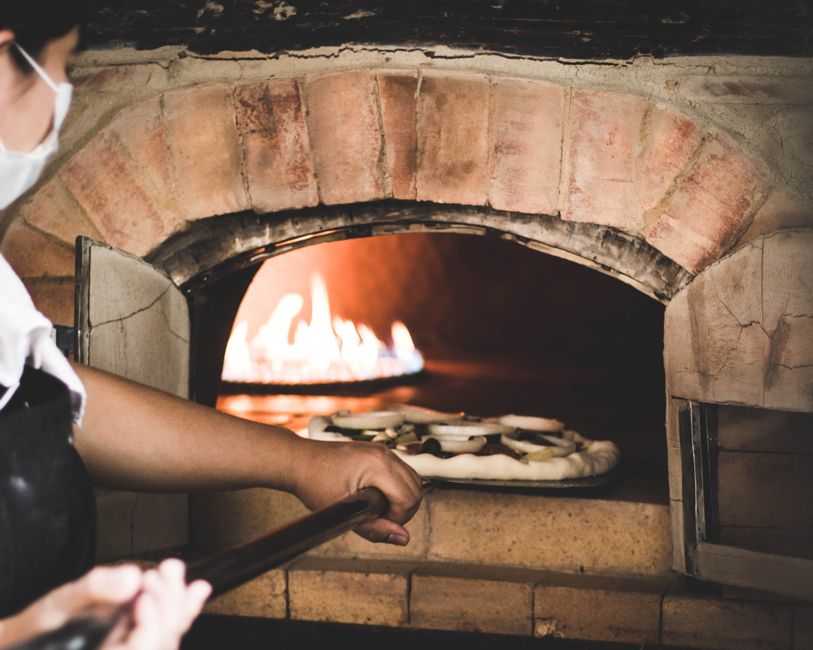
The origins of pizza can be traced back to ancient civilizations, with flatbreads being consumed in various forms across cultures. However, modern pizza as we know it began in Naples, Italy, during the late 18th century. The Margherita pizza, featuring simple ingredients like tomatoes, mozzarella cheese, and basil, was created to honor Queen Margherita of Savoy. This iconic dish laid the foundation for the pizza varieties we enjoy today.
As Italian immigrants traveled to different parts of the world, they brought their pizza-making traditions with them. In the United States, pizza gained immense popularity, especially in cities like New York and Chicago, leading to the emergence of various regional styles. Today, handmade pizza is celebrated globally, with each culture adding its unique twist to this beloved dish.
Essential Ingredients for Handmade Pizza
Creating the perfect handmade pizza starts with high-quality ingredients. The foundation of any pizza is the dough, which is typically made from flour, water, yeast, and salt. For a classic Neapolitan-style pizza, a high-protein flour is recommended to achieve the desired chewy texture.
Next, the sauce plays a crucial role in flavor. Traditional pizza sauce is made from crushed tomatoes, olive oil, garlic, and herbs. However, many variations exist, including white sauces or pesto for those looking to experiment. The choice of cheese is equally important, with mozzarella being the most popular choice, but other options like ricotta, goat cheese, or even vegan alternatives can also be used.
Toppings are where creativity shines. From classic pepperoni and mushrooms to gourmet toppings like arugula and prosciutto, the possibilities are endless. The key is to balance flavors and textures, ensuring that the toppings complement rather than overwhelm the base of the pizza.
Techniques for Making Handmade Pizza
Making handmade pizza can be a fun and rewarding process. Start by preparing the dough, allowing it to rise for at least an hour. Kneading the dough properly is essential to develop gluten, which will give the pizza its structure and chewiness. Once the dough has risen, it’s time to shape it.
Traditionally, pizza dough is stretched by hand, creating a thin crust with a slightly thicker edge. However, a rolling pin can also be used if preferred. Preheating your oven to a high temperature, ideally around 500°F (260°C), is crucial for achieving a crispy crust. Some enthusiasts even invest in pizza stones or ovens that replicate the intense heat of a traditional wood-fired oven.
Once the dough is shaped, spread the sauce evenly, sprinkle cheese, and add your desired toppings. Bake the pizza for about 10-15 minutes or until the crust is golden and the cheese is bubbling. For an extra touch, finish with a drizzle of olive oil or fresh herbs before serving.
Tips for Perfecting Your Handmade Pizza
While making handmade pizza can be simple, achieving perfection takes practice. Here are some tips to elevate your pizza-making skills:
- Experiment with Flour: Different types of flour can yield different textures. Consider trying a blend of all-purpose and bread flour for a unique crust.
- Invest in Quality Ingredients: Fresh ingredients make a significant difference. Opt for San Marzano tomatoes for your sauce and fresh mozzarella for a richer flavor.
- Don’t Rush the Dough: Allow enough time for the dough to rise and develop flavor. A longer fermentation process can enhance taste and texture.
- Use a Pizza Stone: If possible, use a pizza stone to mimic the effects of a brick oven, ensuring a crispy crust.
- Keep It Simple: While it’s tempting to load up on toppings, less is often more. Aim for a balance of flavors for the best results.
The Joy of Sharing Handmade Pizza
One of the most delightful aspects of handmade pizza is the opportunity to share it with family and friends. Hosting a pizza night can be an enjoyable experience, allowing everyone to customize their own pies with their favorite toppings. This not only makes for a fun evening but also brings people together through the love of food.
Moreover, handmade pizza can also be a creative outlet. Experimenting with new ingredients or styles can lead to exciting discoveries and unique flavor combinations. Whether it’s a classic Margherita or a bold BBQ chicken pizza, the joy of crafting your perfect slice is unparalleled.
Conclusion
Handmade pizza is more than just a meal; it’s a celebration of creativity, tradition, and flavor. By understanding its history, mastering the essential ingredients, and honing your techniques, you can create a delicious pizza that reflects your personal taste. So gather your ingredients, invite your friends, and start crafting your masterpiece. And for those looking to explore new flavors, consider checking out LUXURY 777 for gourmet pizza options that elevate your pizza experience.