

LED (Light Emitting Diode) technology has revolutionized the way we light our homes, offices, and public spaces. From energy efficiency to longevity, LEDs are becoming the preferred choice for consumers and businesses alike. This article will delve into the various aspects of LED technology, its applications, benefits, and future prospects.
Understanding LED Technology
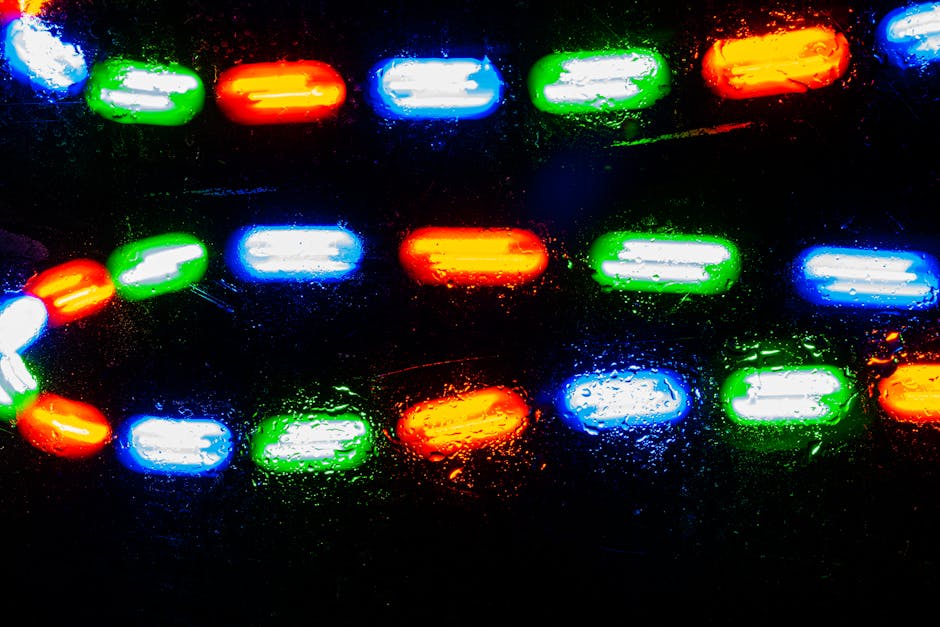
LEDs work by passing an electric current through a semiconductor, which then emits light. This process is known as electroluminescence. Unlike traditional incandescent bulbs that rely on heating a filament, LEDs produce light more efficiently and with less heat generated.
The invention of LEDs dates back to the early 1960s, but it wasn’t until the 1990s that white LEDs became commercially viable. Today, LEDs are available in a variety of colors and brightness levels, making them suitable for diverse applications.
One of the most significant advantages of LED technology is its energy efficiency. According to the U.S. Department of Energy, LED lights use at least 75% less energy, and last 25 times longer than incandescent lighting. This not only leads to lower electricity bills but also reduces the overall carbon footprint.
Applications of LED Technology
LEDs have found their way into numerous applications across different industries. In residential settings, they are commonly used for general lighting, accent lighting, and outdoor illumination. Their versatility allows homeowners to create different moods and ambiances with ease.
In commercial spaces, LEDs have taken over traditional lighting systems in retail stores, offices, and warehouses. Businesses benefit from reduced maintenance costs and improved energy efficiency, which can lead to significant savings in the long run.
Moreover, LEDs are extensively used in electronic devices, from mobile phones to televisions. The flat screens of modern TVs often utilize LED backlighting for a sharper and more vibrant image quality.
Another exciting application is in the realm of smart lighting systems, where LEDs can be integrated with smart home technologies. This allows users to control lighting remotely through smartphones or voice commands, enhancing convenience and energy management.
The Environmental Impact of LEDs
As the world grapples with climate change, the environmental benefits of LED technology become increasingly important. LEDs contain no toxic materials and are 100% recyclable, making them a sustainable choice compared to traditional lighting.
Reports suggest that widespread adoption of LED lighting could reduce global energy consumption for lighting by 50% by 2030. This not only lowers greenhouse gas emissions but also diminishes the demand for electricity, leading to a more sustainable future.
Furthermore, the longevity of LEDs means less frequent replacements, which in turn results in reduced waste. This is particularly relevant in a world where electronic waste is becoming a significant environmental challenge.
Challenges and Future of LED Technology
Despite their numerous advantages, LED technology does face challenges. Initial costs can be higher than traditional bulbs, although prices have been steadily decreasing as technology advances and production scales up.
Additionally, there are concerns regarding light quality and compatibility with existing systems. However, ongoing research and development are paving the way for improvements in light quality and integration.
Looking ahead, the future of LED technology appears bright. Innovations such as flexible LED panels, organic LEDs (OLEDs), and advancements in smart lighting are just a few areas where we can expect significant growth. For instance, flexible LEDs can be incorporated into clothing and accessories, opening up exciting new possibilities.
Moreover, as consumers become more eco-conscious, the demand for energy-efficient lighting solutions will likely continue to rise, propelling further advancements in LED technology.
Conclusion
In conclusion, LED technology has transformed the lighting landscape, offering energy-efficient, sustainable, and versatile solutions for various applications. From enhancing our living spaces to reducing our carbon footprint, the impact of LEDs is profound. As we continue to embrace innovation, the future of LED technology promises even greater advancements that will illuminate our lives in ways we have yet to imagine. For those looking to enhance their lighting experience, exploring options like benzi LED RGB can be a fantastic choice.