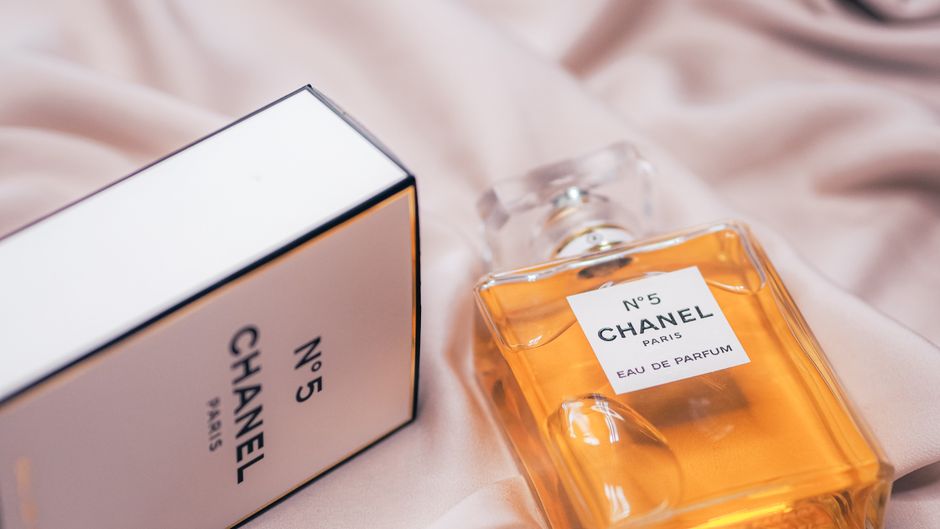

Perfume has captivated human beings for centuries, serving as both a personal accessory and a cultural symbol. From ancient Egypt to modern-day Paris, fragrances have played a vital role in human expression and identity. This article will explore the intricate world of perfume, detailing its history, the science behind fragrance creation, and tips for choosing the perfect scent.
The Historical Significance of Perfume
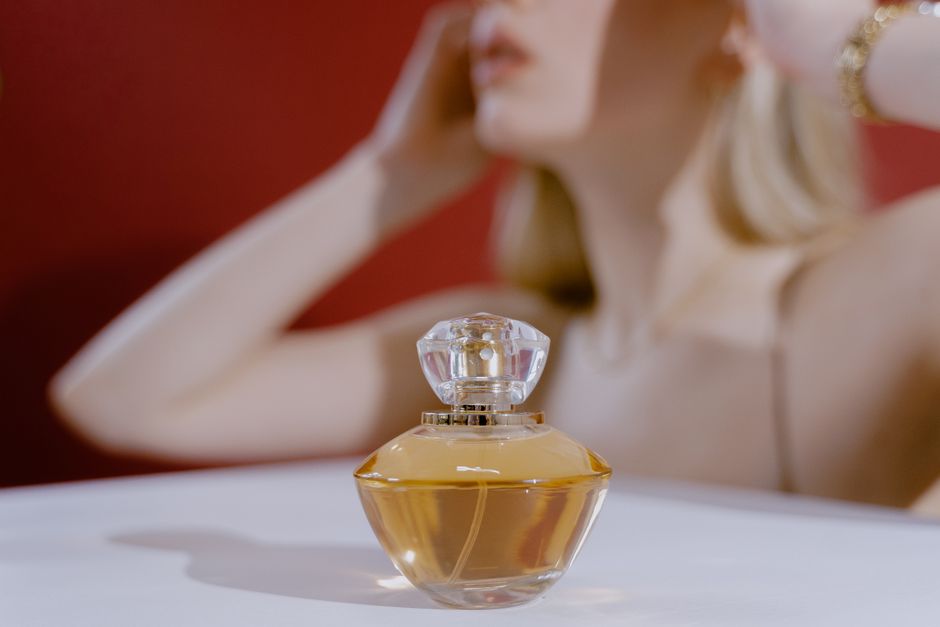
Perfume’s roots can be traced back to ancient civilizations, where it was used in religious ceremonies, as a means of personal adornment, and even as a form of medicine. Egyptians were among the first to develop sophisticated perfumery techniques, utilizing natural ingredients like myrrh and frankincense. The word ‘perfume’ itself derives from the Latin ‘per fumum,’ meaning ‘through smoke,’ highlighting the importance of scent in spiritual rituals.
Throughout history, different cultures have added their unique touches to the art of fragrance. The Greeks and Romans used perfumes for personal hygiene and to signify social status, while in the Middle Ages, the Islamic world became a center for perfume innovation. The trade routes established during this time facilitated the exchange of exotic ingredients, leading to the creation of complex scent profiles.
The Science of Fragrance Composition
Creating a perfume is a meticulous process that combines art and science. The primary components of a fragrance are essential oils, aroma compounds, and solvents. Essential oils are extracted from natural sources such as flowers, fruits, and spices, while aroma compounds can be synthetic or derived from natural sources. Solvents help to dilute the oils and aid in the blending process.
The structure of perfume is often likened to a musical composition, consisting of three layers: top, middle, and base notes. Top notes are the initial scents that are perceived and typically evaporate quickly, providing the first impression of the fragrance. Middle notes, or heart notes, emerge once the top notes fade and form the core of the perfume. Finally, base notes are the lasting scents that provide depth and richness, often lingering on the skin for hours.
Choosing the Right Perfume for You
Selecting the perfect fragrance can be a daunting task given the plethora of options available. One useful strategy is to identify your scent preferences. Perfumes are generally categorized into families, such as floral, oriental, woody, and fresh. Understanding which family aligns with your personal taste can help narrow down your choices.
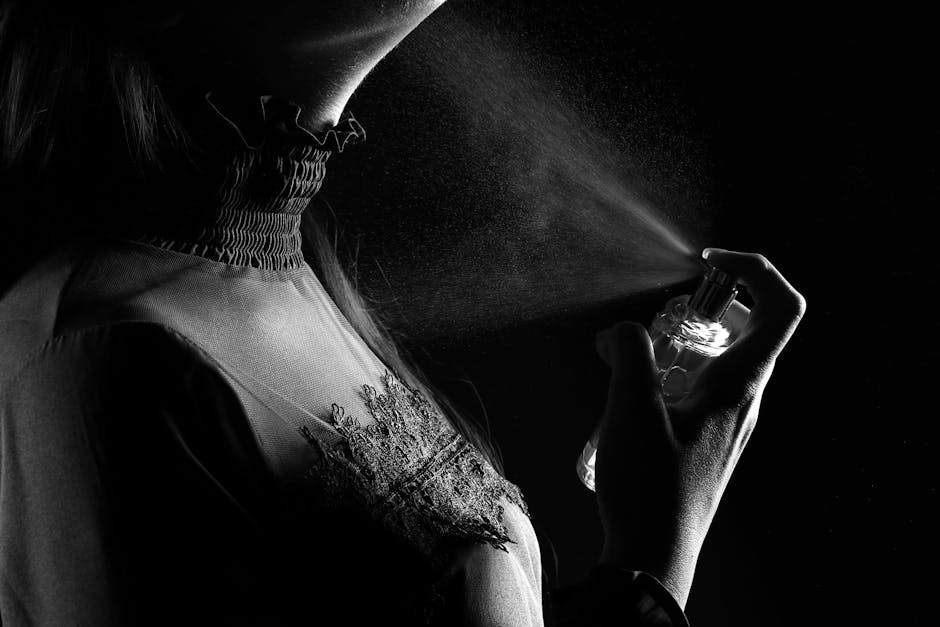
When testing perfumes, it is essential to apply them correctly. Spray the fragrance on your pulse points, such as the wrists and neck, to allow the scent to develop naturally. It’s advisable to wait a few hours before making a final decision, as the perfume will evolve over time. For those seeking high-quality options, brands like Maison Francis Kurkdjian (MFK) offer a range of exquisite fragrances that cater to diverse preferences.
The Role of Perfume in Modern Culture
Today, perfume remains a vital aspect of personal identity and expression. It is not only a means of enhancing one’s presence but also a powerful tool for evoking memories and emotions. Studies have shown that scent can trigger powerful recollections, making perfume a unique and personal accessory.
Additionally, the rise of social media has transformed the way consumers engage with fragrances. Influencers and online communities share their favorite scents, leading to increased accessibility and awareness of niche brands. This shift has encouraged many individuals to explore and experiment with various fragrances, breaking traditional boundaries in the perfume industry.
Conclusion: The Timeless Allure of Perfume
Perfume is more than just a pleasant scent; it is a reflection of culture, history, and personal expression. As we continue to navigate the complexities of modern life, the art of fragrance remains a cherished tradition that transcends time and boundaries. Whether you are drawn to classic scents or contemporary blends, understanding the nuances of perfume can enhance your appreciation for this captivating art form.