
In today’s rapidly changing world, the role of architect firms has become increasingly vital. These firms not only design buildings but also shape the environments in which we live, work, and play. As urbanization accelerates and sustainability becomes a pressing concern, the influence of architects extends beyond mere aesthetics to encompass social, economic, and environmental factors. This article explores the evolution of architect firms, their impact on society, and the future trends that will shape the industry.
The Historical Context of Architect Firms

Architectural firms have a rich history that dates back to ancient civilizations, where architects were revered as master builders and artists. In ancient Rome, for instance, architects like Vitruvius laid the groundwork for modern architectural principles. During the Renaissance, the profession evolved significantly, with architects gaining recognition as intellectuals and artists. The establishment of formal architectural schools in the 19th century marked a turning point, leading to the formation of professional associations and standards.
In the 20th century, the rise of modernism transformed architectural practices. Iconic architect firms such as Frank Lloyd Wright’s Taliesin and Le Corbusier’s Atelier set new directions in design, emphasizing functionality and simplicity. The post-war era saw a boom in urban development, prompting architect firms to address the needs of rapidly growing cities. Today, the legacy of these historical developments continues to influence contemporary architectural practices.
The Role of Architect Firms in Urban Development
Architect firms play a crucial role in urban development, where their expertise is essential for creating functional, sustainable, and aesthetically pleasing environments. In recent years, with the global population increasingly shifting to urban areas, the demand for innovative architectural solutions has surged. According to the United Nations, by 2050, 68% of the world’s population is projected to live in urban areas, highlighting the need for efficient urban planning and design.
Modern architect firms are now adopting a holistic approach to urban design, integrating various disciplines such as landscape architecture, urban planning, and environmental science. This collaborative effort enables them to address complex urban issues, including transportation, housing, and public spaces. For example, the transformation of derelict industrial sites into vibrant mixed-use developments showcases how architect firms can revitalize communities while preserving their historical significance.
Sustainability and Innovation in Architectural Practices
Sustainability has become a core principle for architect firms as they respond to the challenges posed by climate change and resource depletion. Many firms are adopting green building practices, which focus on energy efficiency, sustainable materials, and minimizing environmental impact. According to the U.S. Green Building Council, buildings account for nearly 40% of the country’s energy consumption, making sustainable architecture a vital component of environmental conservation.
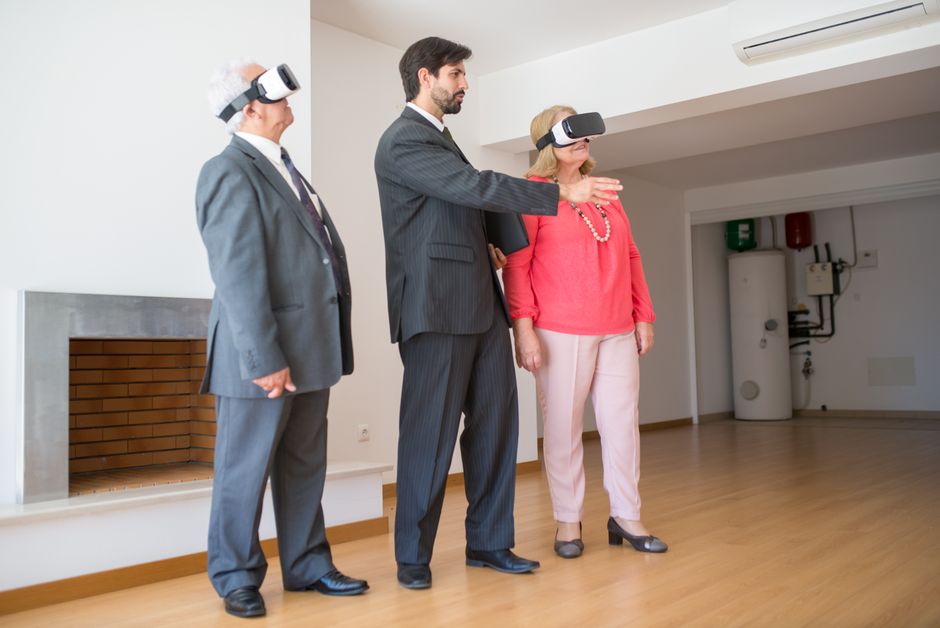
Innovative technologies are also transforming the architectural landscape. Building Information Modeling (BIM), 3D printing, and virtual reality are just a few examples of how technology is enhancing design capabilities and collaboration among architects, engineers, and clients. These advancements enable architect firms to create more accurate and efficient designs, ultimately leading to better project outcomes. For instance, the use of BIM allows architects to visualize and simulate building performance before construction, reducing waste and improving energy efficiency.
The Future of Architect Firms
As we look ahead, the future of architect firms is likely to be shaped by several key trends. Firstly, the increasing focus on smart cities will drive architects to integrate technology into urban design. This includes the use of data analytics, IoT devices, and sustainable infrastructure to enhance the quality of life for urban residents.
Moreover, the demand for affordable housing solutions is expected to rise, prompting architect firms to explore innovative design strategies that maximize space and reduce costs. Collaborative housing models and modular construction are some potential solutions that architects are beginning to implement.
Finally, the importance of community engagement in the architectural process cannot be overstated. Architect firms are increasingly recognizing the value of involving local stakeholders in the design process to ensure that projects meet the needs and desires of the community.
Conclusion
Architect firms are at the forefront of shaping our built environment, influencing how we experience and interact with our surroundings. As they navigate the complexities of modern society, their role will continue to evolve, driven by historical context, urban development needs, sustainability, and technological advancements. In a world that is constantly changing, the contributions of architect firms will be crucial in creating spaces that are not only functional but also enrich our lives.
In conclusion, whether through the lens of an architect firm or the perspective of a community member, the impact of architecture on society is profound. As we move into the future, it is essential to continue fostering innovation and collaboration within the architectural field to address the challenges that lie ahead. For more insights into the role of architecture in our lives, you can explore the work of an architect firm.