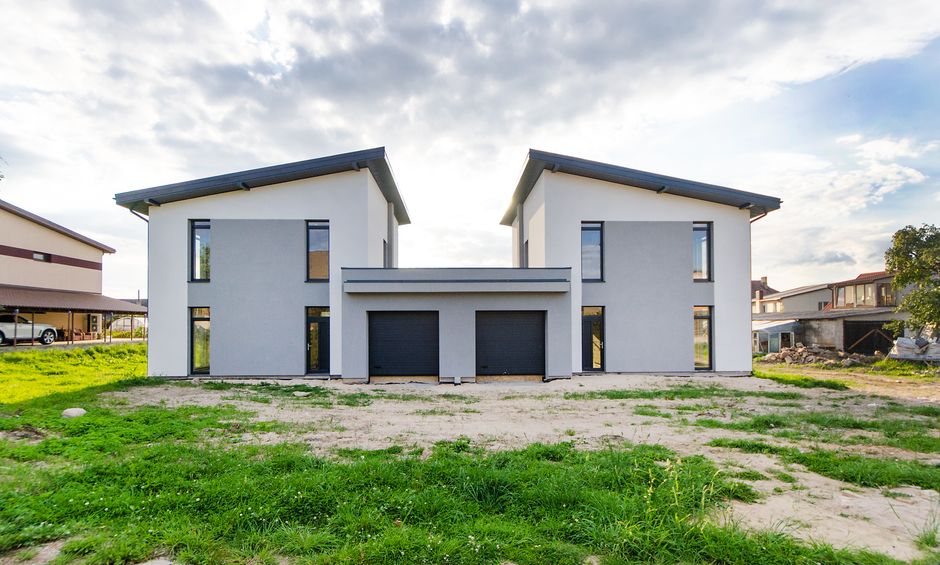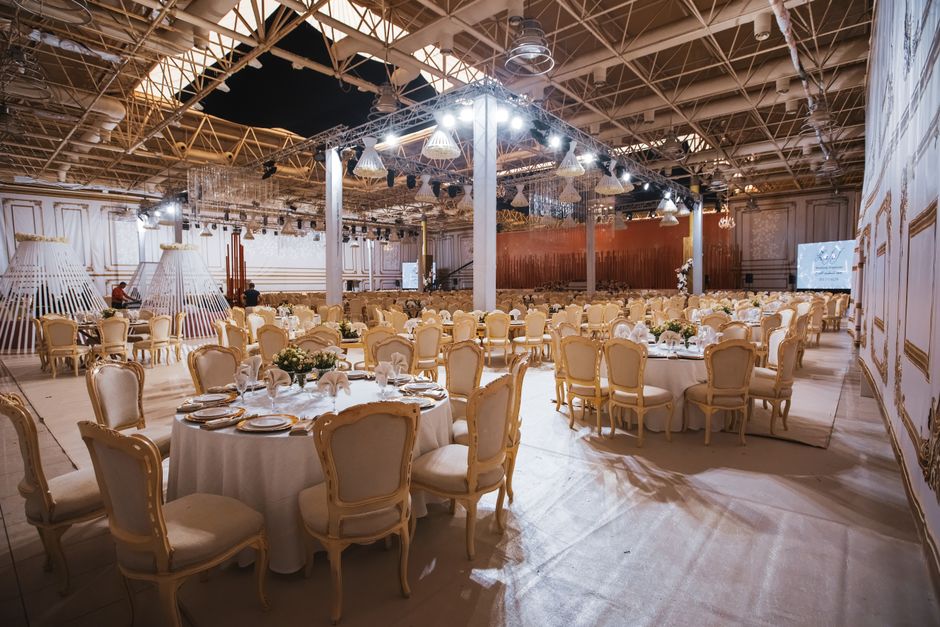

In an increasingly competitive business landscape, the importance of a well-designed interior cannot be overstated. Commercial interior designers play a crucial role in transforming spaces to enhance both functionality and aesthetics. Businesses are beginning to recognize that the environment in which they operate has a direct impact on employee productivity, client impressions, and overall brand image. This article explores the multifaceted role of commercial interior designers, their design processes, and the benefits they bring to various sectors.
The Essentials of Commercial Interior Design
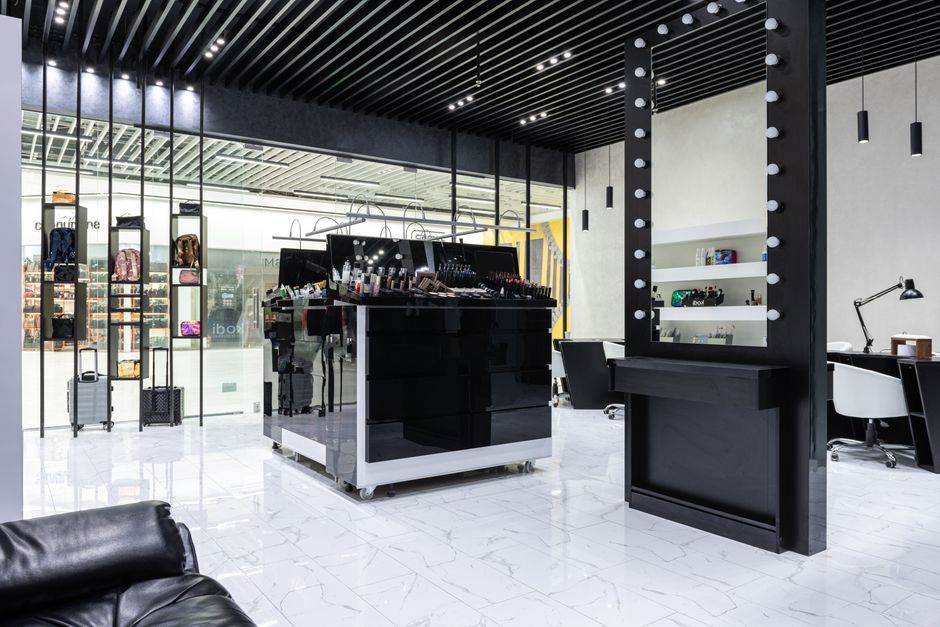
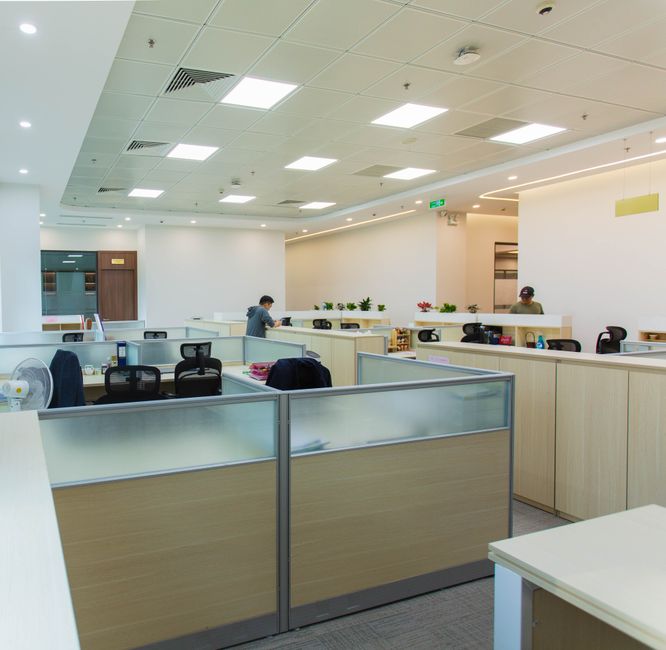
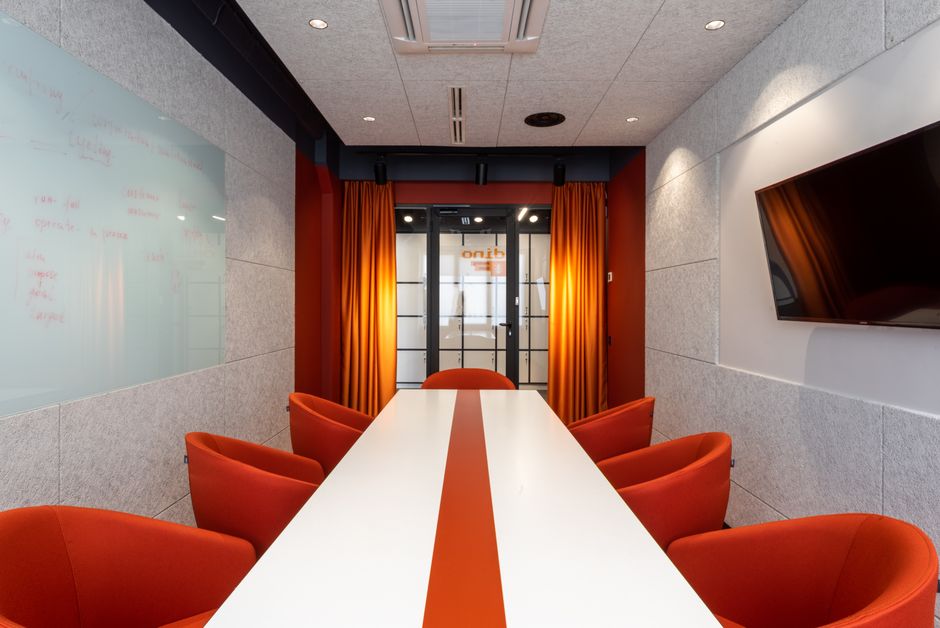
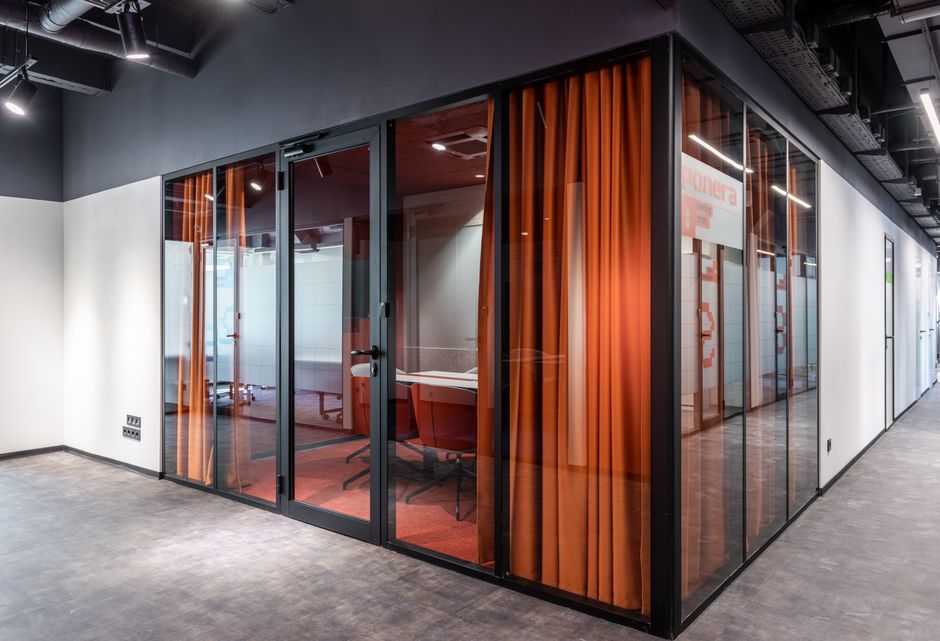
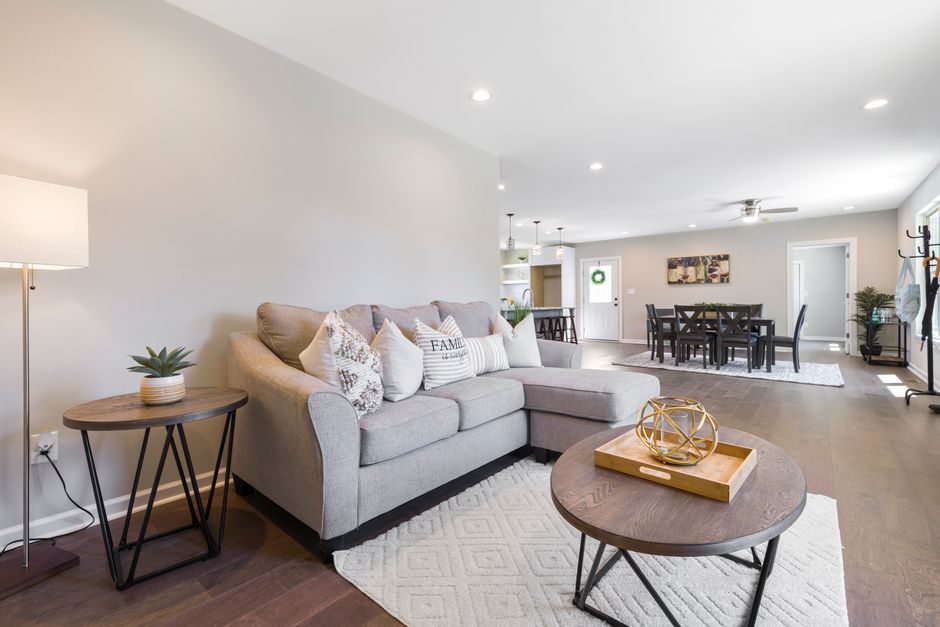
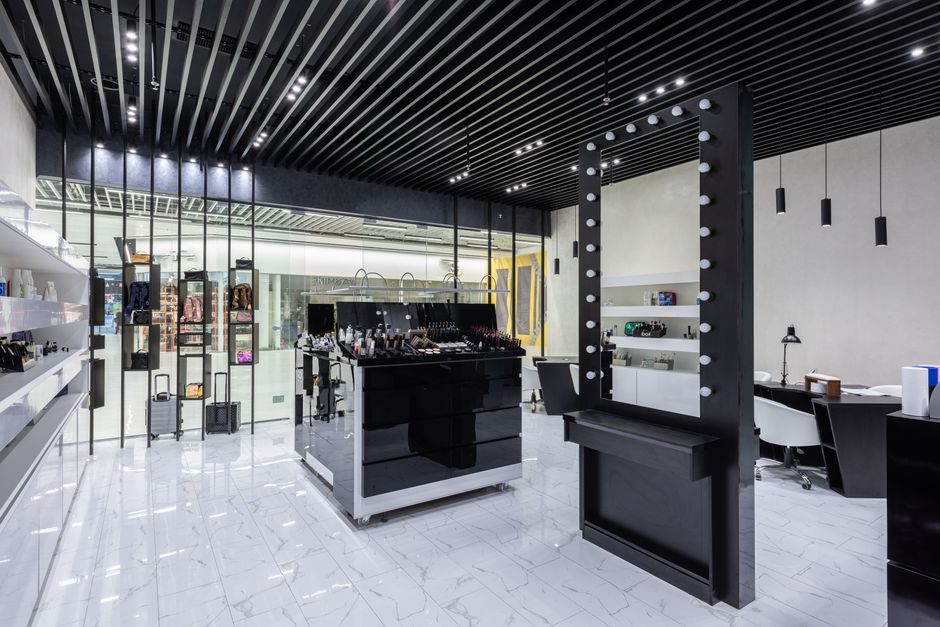
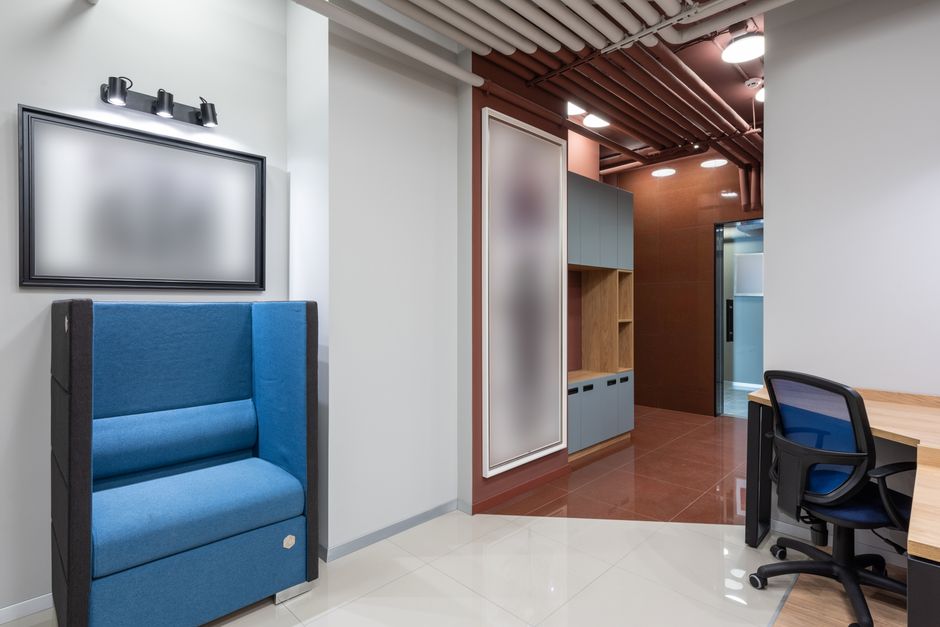
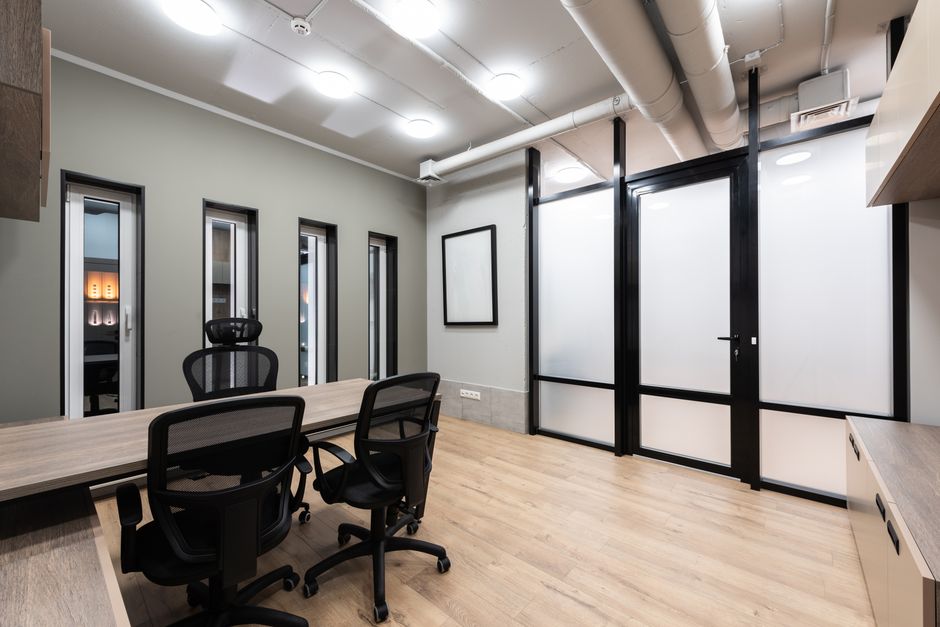
Commercial interior design involves more than just decoration; it encompasses the planning and design of interior spaces in commercial settings, including offices, retail stores, restaurants, and more. A successful commercial interior designer combines creativity with practicality, ensuring that the design meets both the aesthetic and functional needs of a business. This includes understanding the brand’s identity and translating it into a physical space that resonates with clients and employees alike.
For instance, a tech startup may opt for an open floor plan to encourage collaboration, while a law firm might prefer a more traditional layout that conveys professionalism. The designer’s role is to balance these needs, ensuring the space not only looks good but also supports the business’s operational goals.
The Design Process: From Concept to Completion
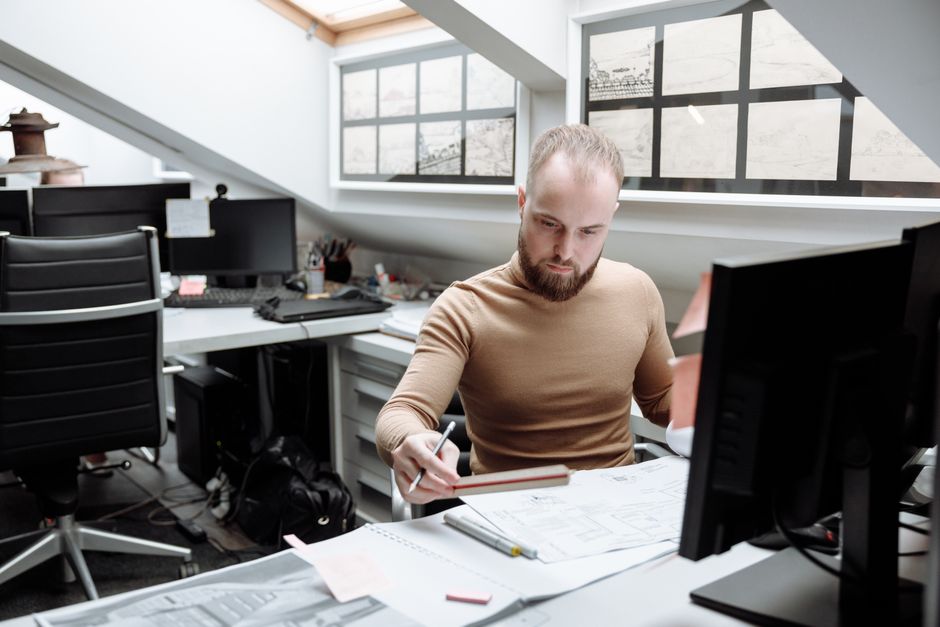
The journey of a commercial interior designer begins with a thorough consultation to understand the client’s vision, requirements, and budget. This initial phase is critical, as it sets the foundation for the project. During this stage, designers often conduct site assessments, gather inspiration, and create mood boards to align their ideas with the client’s expectations.
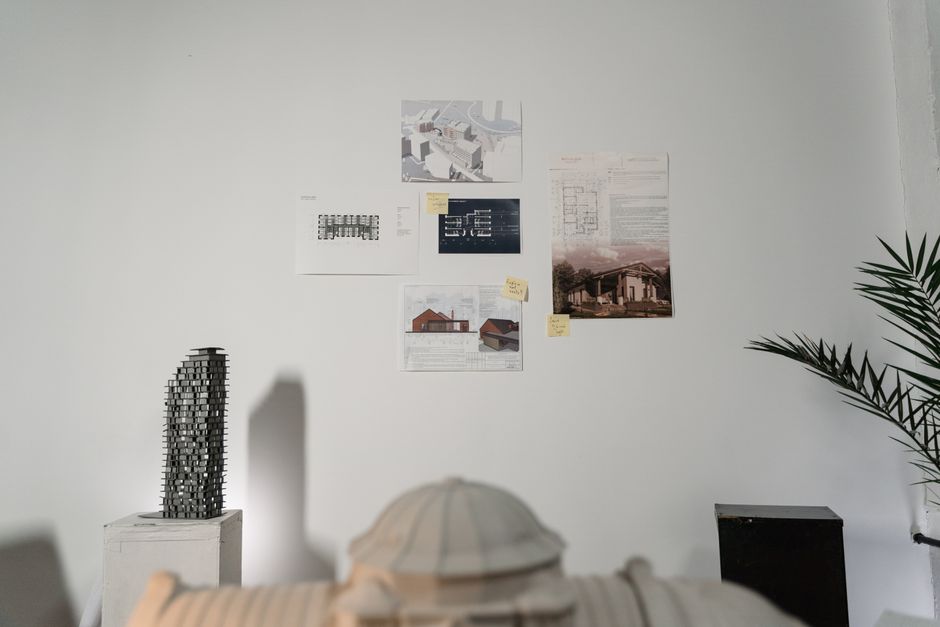
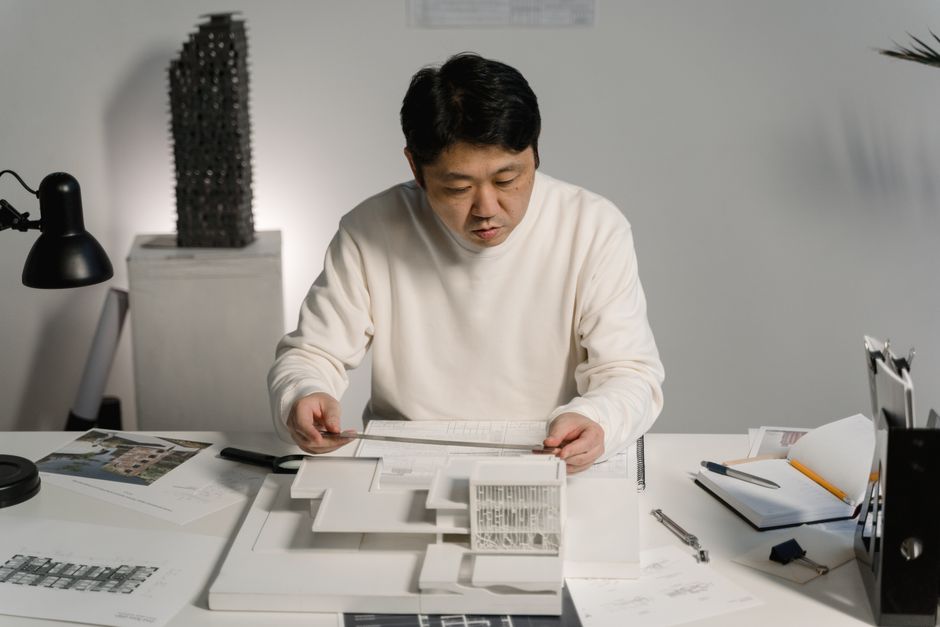
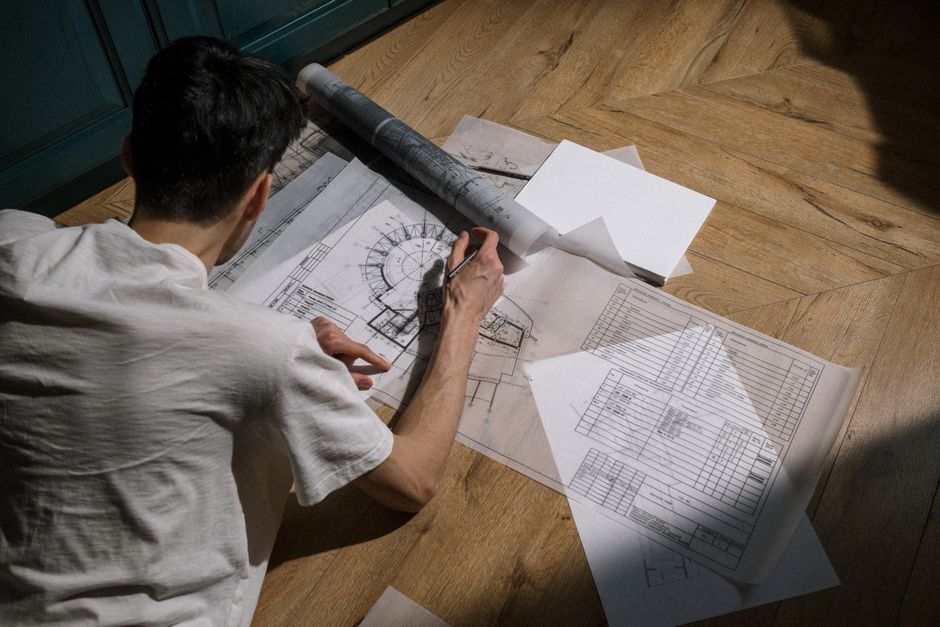
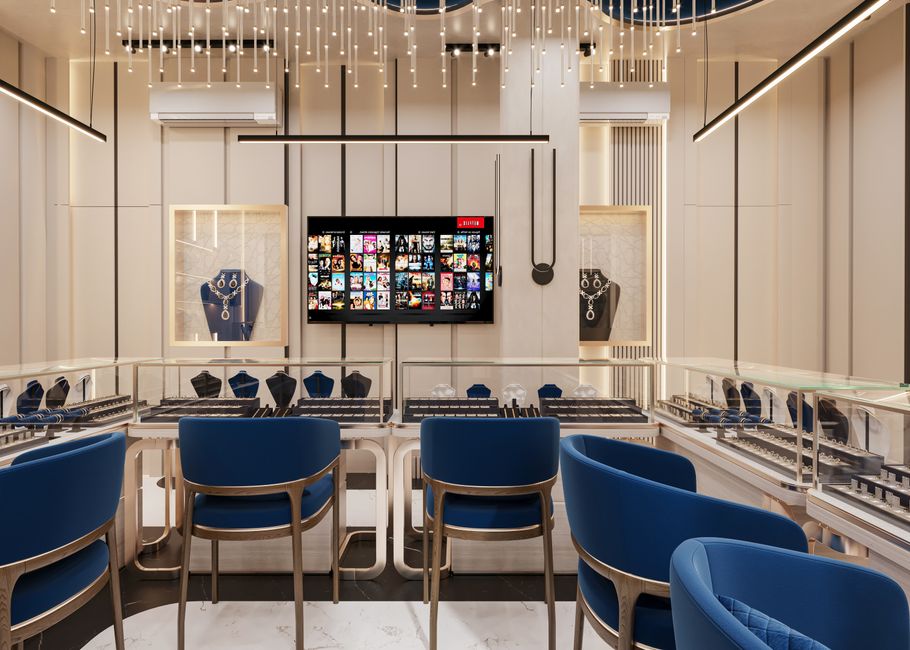
Once the concept is approved, the designer creates detailed floor plans and 3D renderings to provide a visual representation of the proposed design. This step allows clients to visualize the space before any physical changes are made, helping to refine the design further. A good designer also considers elements such as lighting, color schemes, materials, and furniture, which all contribute to the overall atmosphere of the space.
Trends in Commercial Interior Design
As the world evolves, so do the trends in commercial interior design. Currently, there is a significant shift towards sustainable and eco-friendly designs. Businesses are increasingly seeking to minimize their environmental impact, leading to a rise in the use of sustainable materials and energy-efficient lighting solutions. This not only helps the planet but also appeals to a growing demographic of environmentally conscious consumers.
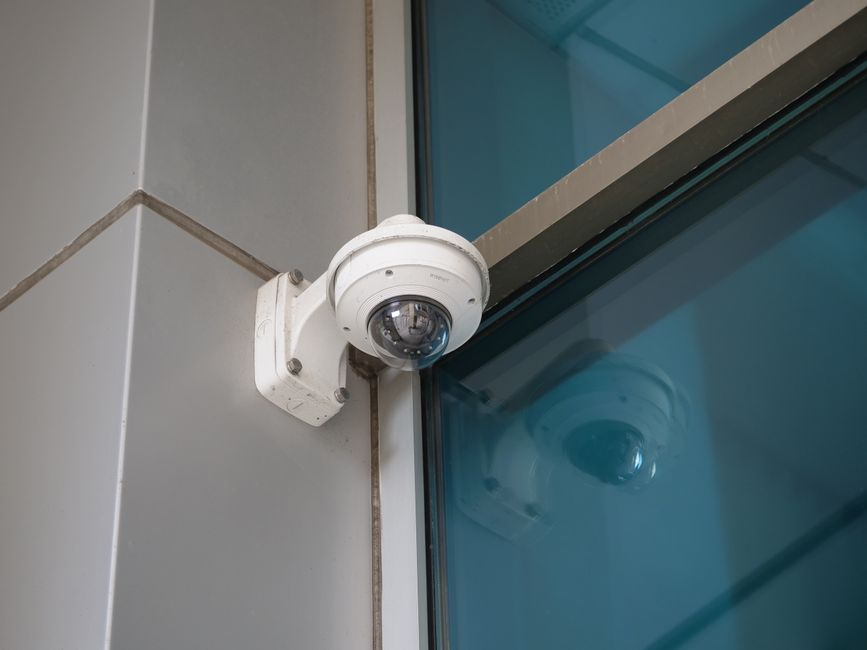
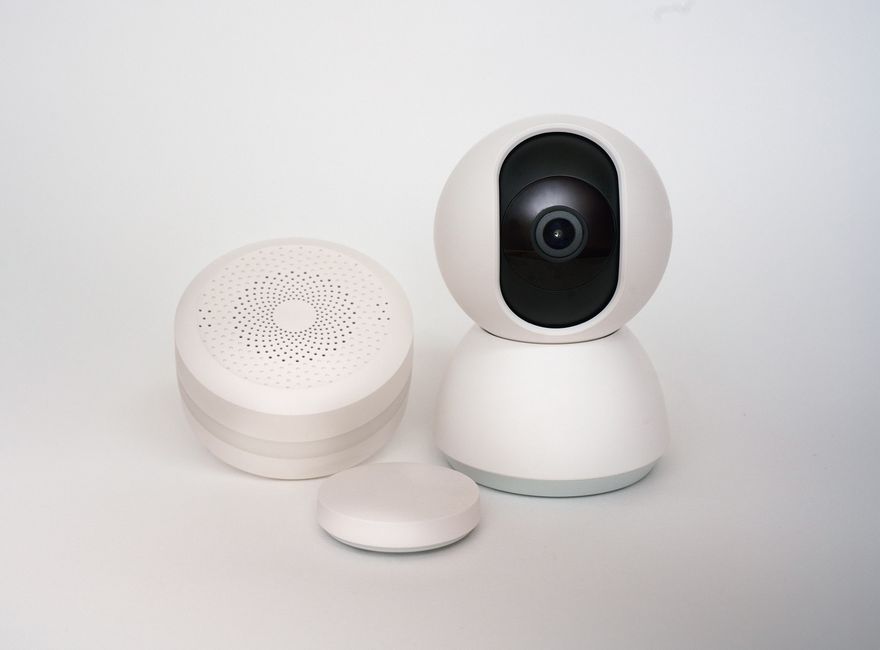
Another trend gaining momentum is the incorporation of technology into interior design. Smart offices equipped with integrated technology enhance connectivity and improve workplace efficiency. Features such as automated lighting and climate control systems are becoming standard in modern commercial spaces.
The Impact of Interior Design on Business Performance
Numerous studies have shown that well-designed commercial spaces can significantly impact employee productivity and client satisfaction. A study by the American Society of Interior Designers found that 93% of employees believe that a well-designed workplace enhances their productivity. Moreover, first impressions matter; a stylish and inviting space can leave a lasting impression on clients and customers.
Additionally, a thoughtfully designed environment can foster creativity and collaboration among employees. For example, companies that utilize open spaces, collaborative areas, and breakout rooms often report higher levels of teamwork and innovation.
Choosing the Right Commercial Interior Designer
When selecting a commercial interior designer, businesses should consider several factors. It is essential to review their portfolio to understand their style and capabilities. Additionally, assessing their experience in specific industries can be beneficial, as different sectors have unique requirements.
Communication is another critical aspect; a designer should be able to articulate their vision clearly and be open to feedback. Lastly, understanding their approach to project management, including timelines and budget adherence, is vital for a successful partnership.
For those looking for expert guidance, working with a professional commercial interior designer can streamline the process and ensure a cohesive and effective design.
Conclusion
In conclusion, commercial interior designers are essential in creating spaces that not only reflect a brand’s identity but also enhance functionality and productivity. As trends continue to evolve, these professionals must adapt and innovate, ensuring that they meet the changing needs of businesses. By investing in professional design services, companies can significantly improve their work environments, leading to better employee engagement and customer satisfaction.