
In today’s competitive business environment, the design of commercial spaces plays a crucial role in attracting customers and enhancing employee productivity. A commercial interior designer is vital in creating spaces that are not only aesthetically pleasing but also functional and aligned with a brand’s identity. This article delves into the essential aspects of commercial interior design, its benefits, and how a skilled designer can transform any workspace into a remarkable environment.
Understanding Commercial Interior Design
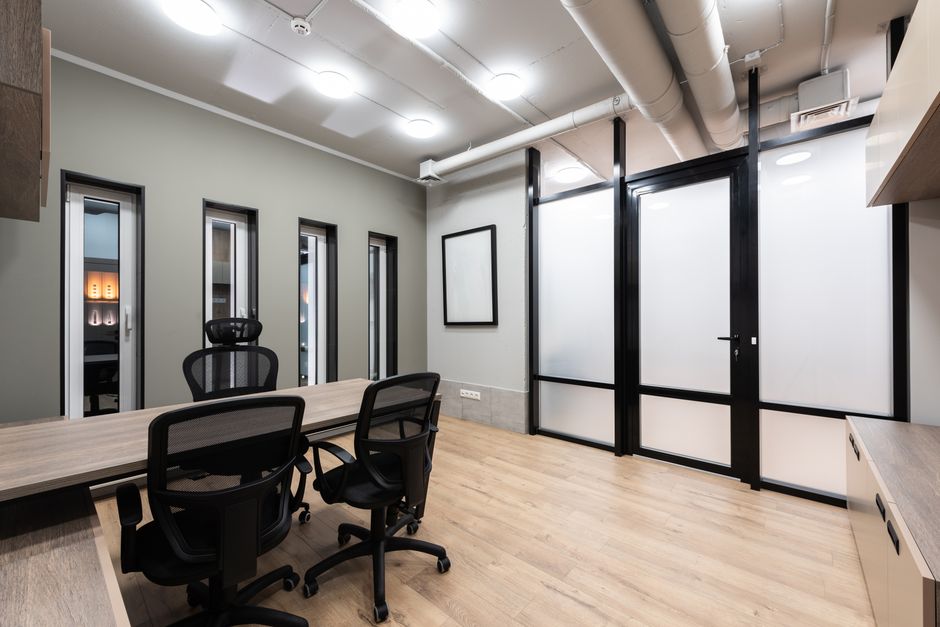
Commercial interior design focuses on creating interior spaces in commercial settings, such as offices, retail stores, restaurants, and hotels. Unlike residential design, commercial design emphasizes functionality, compliance with regulations, and the need to cater to a larger audience. A successful commercial interior designer understands the unique requirements of different industries and can adapt their designs accordingly.
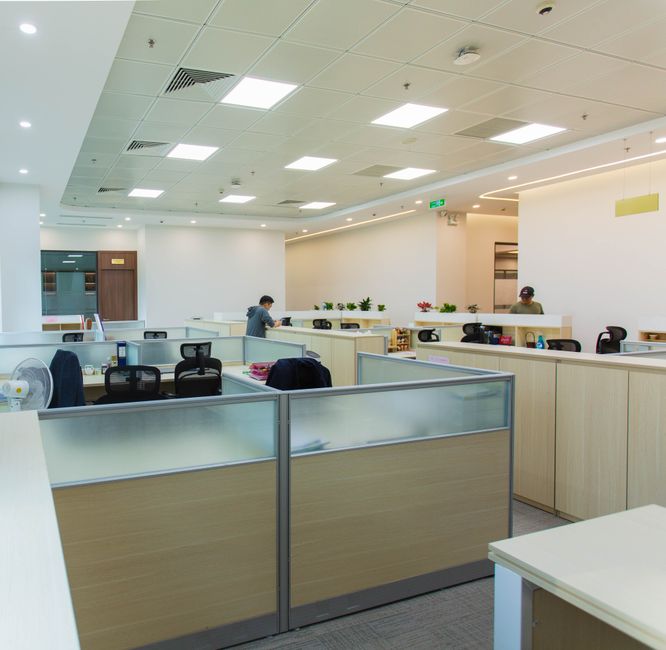
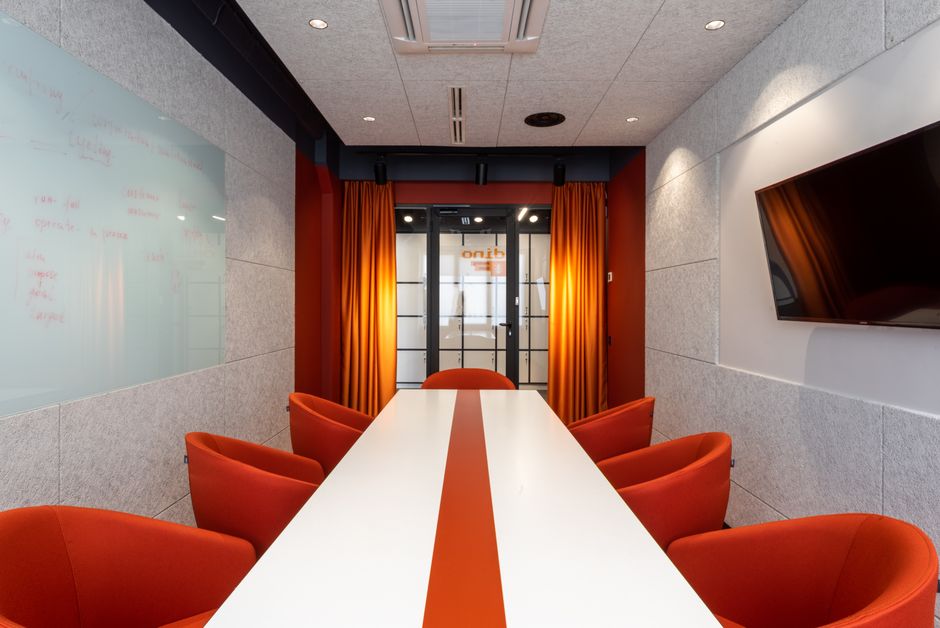
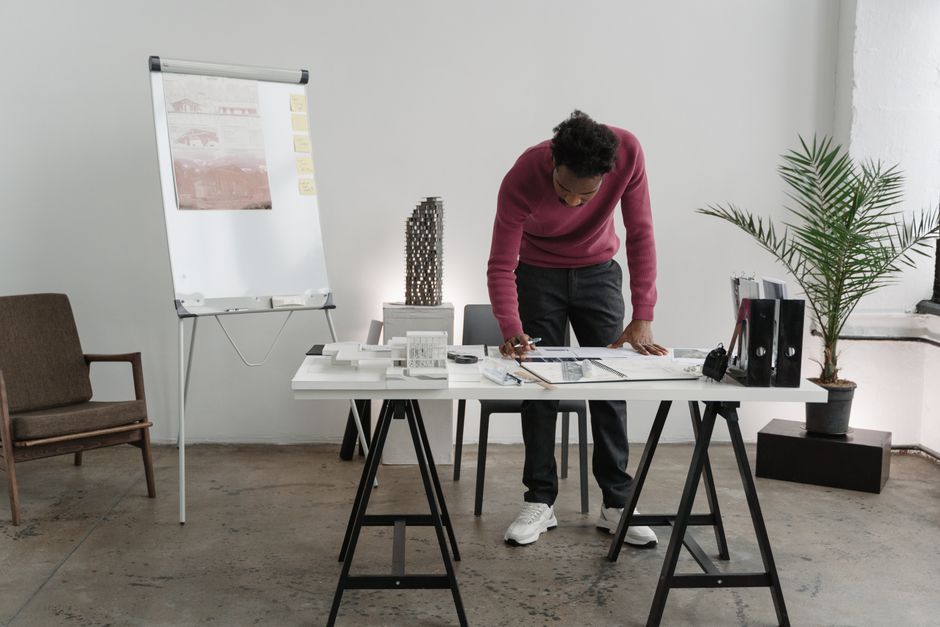
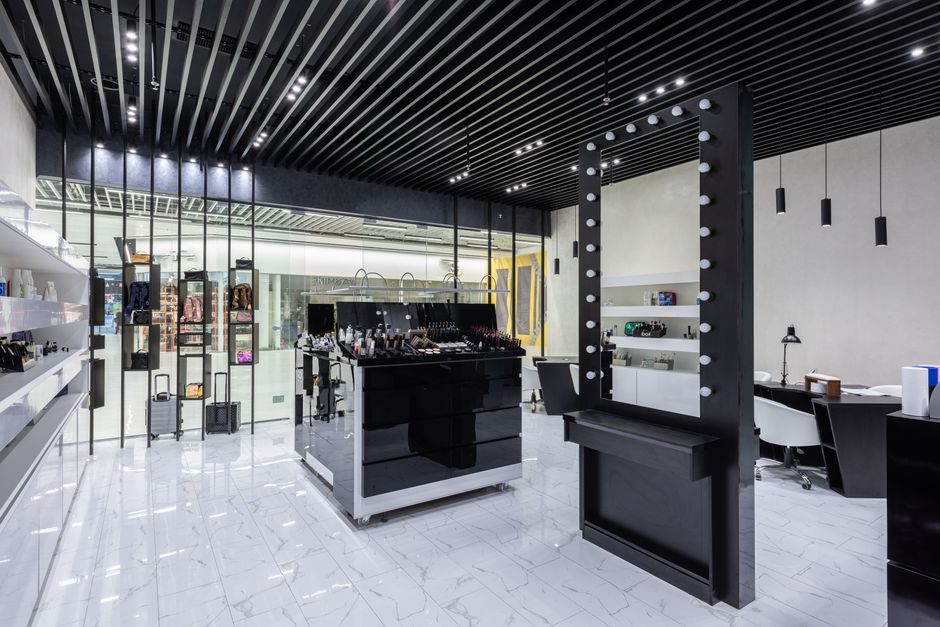
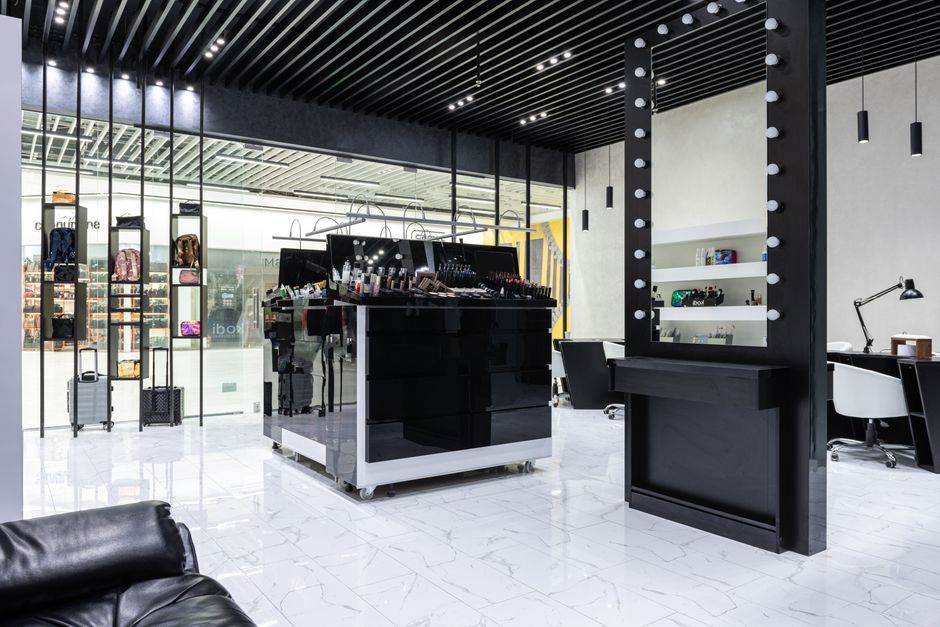
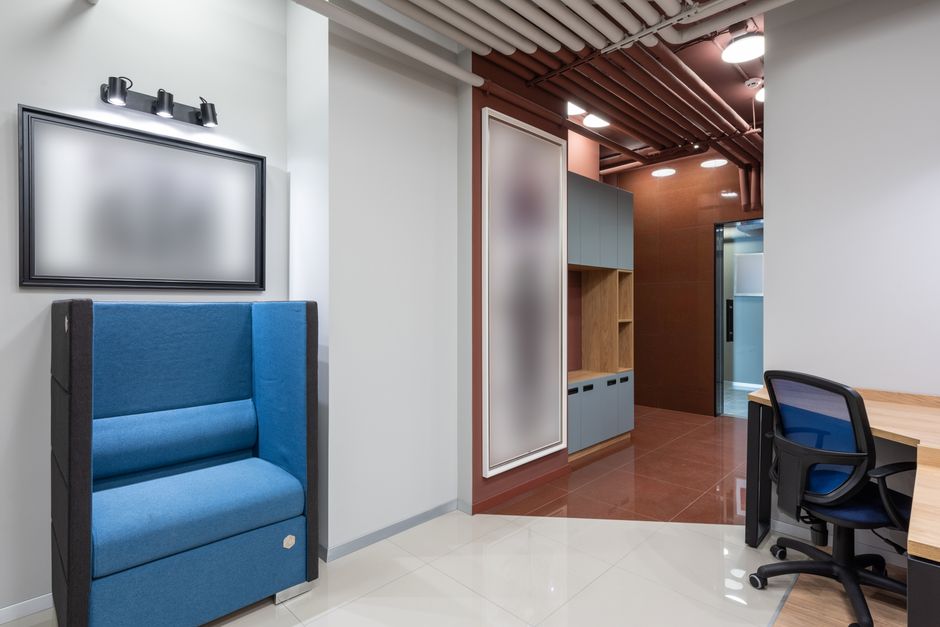
For instance, in an office setting, the interior designer may prioritize open spaces to encourage collaboration among employees while incorporating soundproof areas for focused work. In contrast, a retail store design may focus on creating an inviting atmosphere that encourages customers to explore and make purchases. Therefore, understanding the specific needs of each type of space is paramount.
The Design Process
The process of commercial interior design typically begins with a thorough consultation to understand the client’s vision, budget, and requirements. Following this initial meeting, the designer conducts site assessments to evaluate the existing space and identify potential challenges.
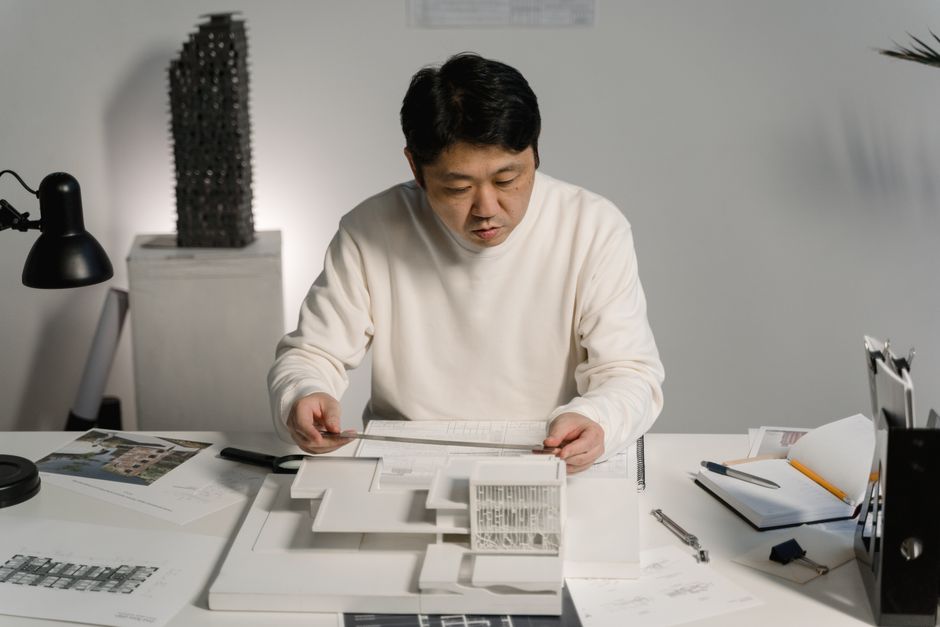
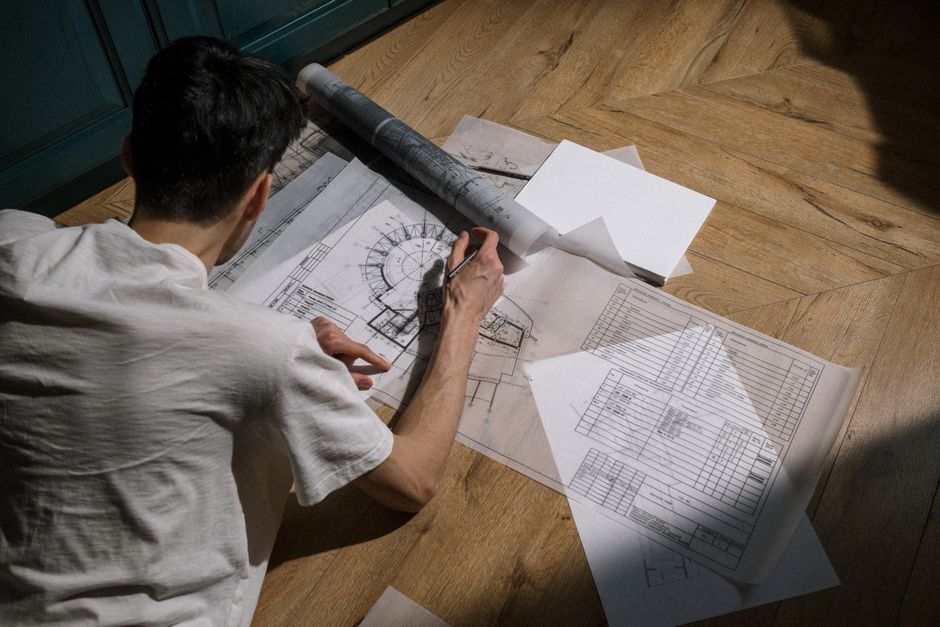
Once the assessment is complete, the designer develops a concept that includes color schemes, materials, furniture, and layout. This concept is then presented to the client for feedback. After any necessary revisions, the designer creates detailed plans and specifications, which serve as a blueprint for the implementation phase.
Throughout this process, communication is key. Regular updates and consultations ensure that the project stays aligned with the client’s expectations and timelines. The successful execution of a design plan often results in a space that not only meets but exceeds the client’s expectations.
Benefits of Hiring a Commercial Interior Designer
Engaging a professional commercial interior designer brings numerous advantages. Firstly, they possess the expertise to navigate complex regulations, ensuring that the design complies with local building codes and safety standards. This is particularly important in commercial spaces where the safety of employees and patrons is paramount.
Additionally, a commercial interior designer can help businesses maximize their space. By utilizing innovative design solutions, they can create areas that are functional and aesthetically pleasing without wasting valuable square footage. This efficiency can lead to cost savings in the long run.
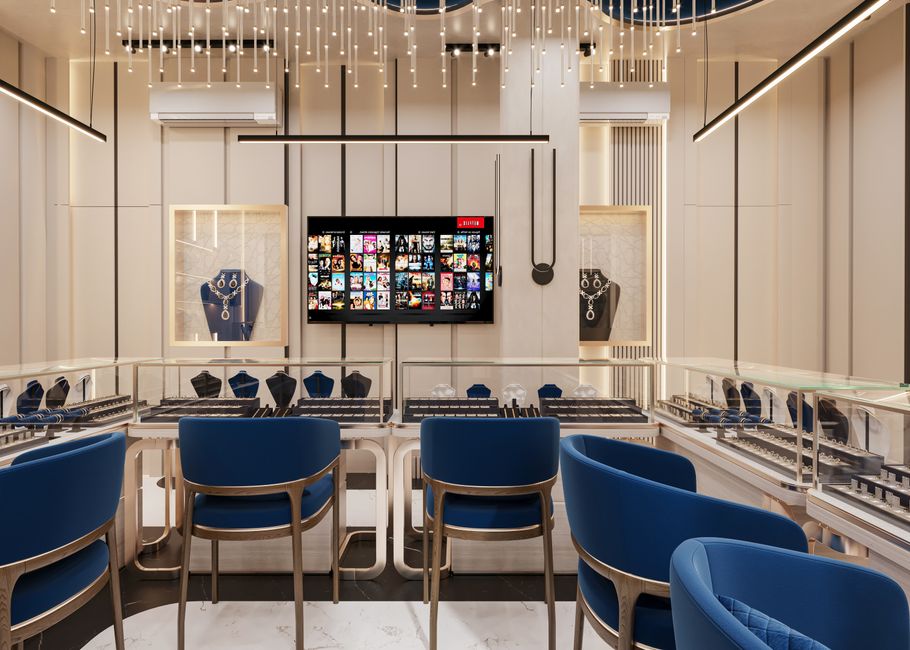
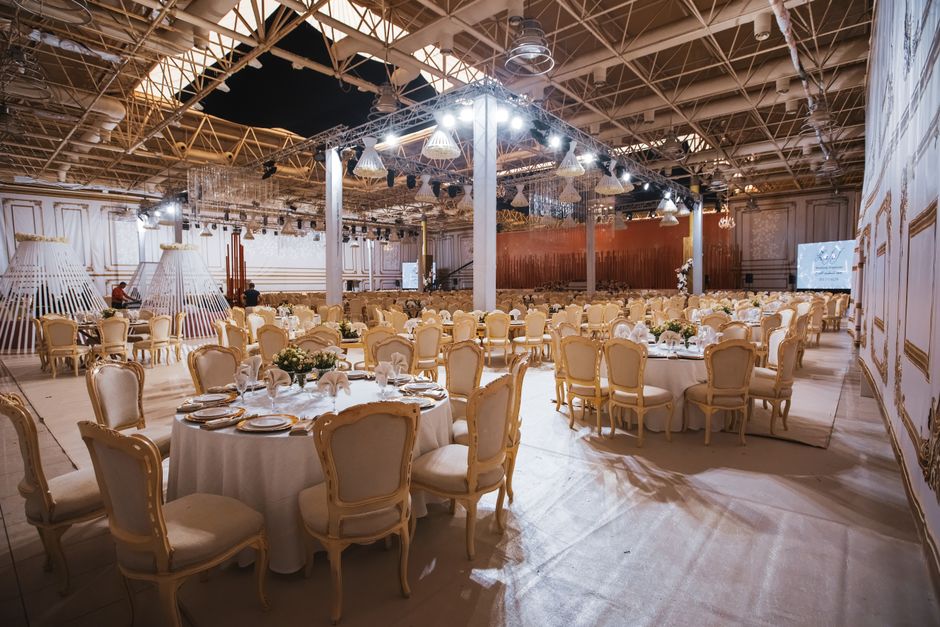
Moreover, a well-designed commercial space can significantly enhance a brand’s image. For example, a restaurant with a thoughtfully designed interior can create a memorable dining experience, encouraging repeat visits and positive word-of-mouth referrals. This impact on customer experience highlights the importance of investing in professional design.
Trends in Commercial Interior Design
As the business landscape evolves, so do trends in commercial interior design. Today, there is a strong emphasis on sustainability and eco-friendly practices. Designers are increasingly utilizing materials that are sourced responsibly and are environmentally friendly. This not only reduces the carbon footprint of the space but also appeals to consumers who prioritize sustainability.
Another trend is the integration of technology into commercial spaces. Smart offices equipped with advanced technology enhance operational efficiency and create a more connected environment for employees. For instance, automated lighting and climate control systems can improve comfort while reducing energy consumption.
Additionally, biophilic design, which incorporates natural elements into the workspace, is gaining popularity. This approach not only enhances the aesthetic appeal of a space but also contributes to the well-being of employees, ultimately boosting productivity and job satisfaction.
Conclusion
In conclusion, a commercial interior designer plays a pivotal role in shaping the environments where we work, shop, and dine. Their expertise not only enhances the functionality and aesthetics of a space but also aligns it with a brand’s identity and values. By understanding the unique needs of various commercial spaces and staying updated on design trends, a skilled commercial interior designer can transform any ordinary space into an extraordinary experience. Investing in professional design is not just about aesthetics; it’s about creating environments that foster productivity, engagement, and satisfaction for both employees and customers.