
In recent years, the architectural landscape has undergone a significant transformation as sustainability has become a core principle in design and construction. Sustainable architecture firms are at the forefront of this movement, integrating environmental responsibility into their projects. This article explores the rise of these firms, their design philosophies, and the impact they have on the built environment.
Understanding Sustainable Architecture
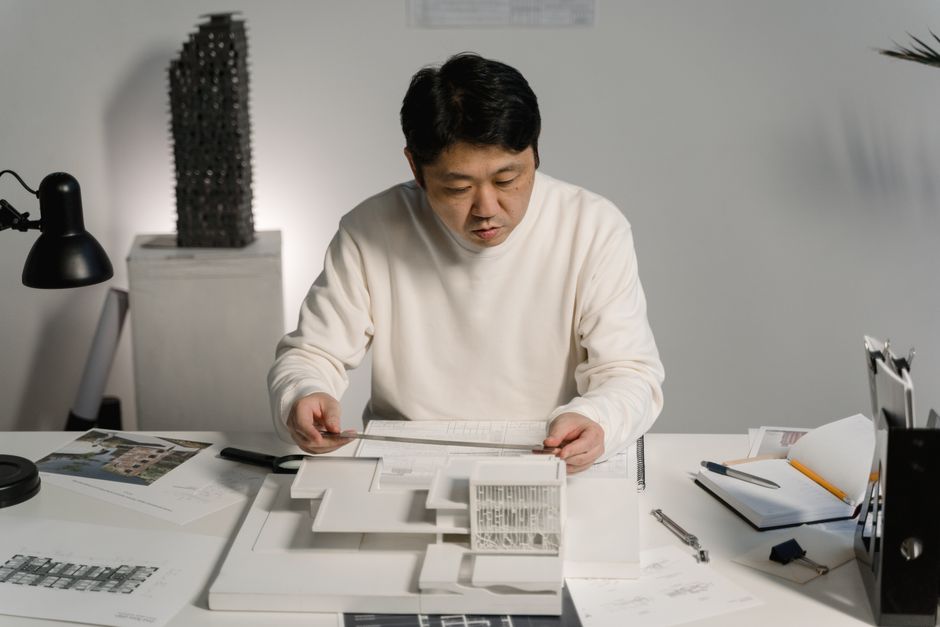
Sustainable architecture refers to the design and construction of buildings that minimize environmental impact while maximizing energy efficiency. It encompasses various practices, such as using renewable materials, optimizing energy use, and promoting natural ventilation. By prioritizing eco-friendly solutions, sustainable architecture firms aim to create spaces that are both functional and harmonious with nature.
One key aspect of sustainable architecture is the use of green materials. These materials are sourced from renewable resources, recycled, or have a low environmental impact. For example, bamboo is often used for flooring and structural elements due to its rapid growth and durability. Additionally, sustainable architecture firms emphasize the importance of local sourcing to reduce transportation emissions and support local economies.
The Role of Technology in Sustainable Design
Technology plays a crucial role in the effectiveness of sustainable architecture. Advanced software programs allow architects to simulate energy performance and optimize natural light in their designs. Tools like Building Information Modeling (BIM) enable architects to analyze the lifecycle of materials, ensuring that choices made during the design phase contribute positively to sustainability.
Moreover, the rise of smart technologies has facilitated the integration of energy-efficient systems in buildings. For instance, automated lighting systems that adjust based on occupancy and daylight levels can significantly reduce energy consumption. Sustainable architecture firms leverage such technologies to create smart buildings that not only meet but exceed environmental standards.
Case Studies: Successful Sustainable Projects
Several sustainable architecture firms have made significant strides in the industry, showcasing innovative projects that set benchmarks for future designs. One notable example is the Bosco Verticale in Milan, Italy. This residential complex features vertical forests on its balconies, which improve air quality and promote biodiversity in urban settings.
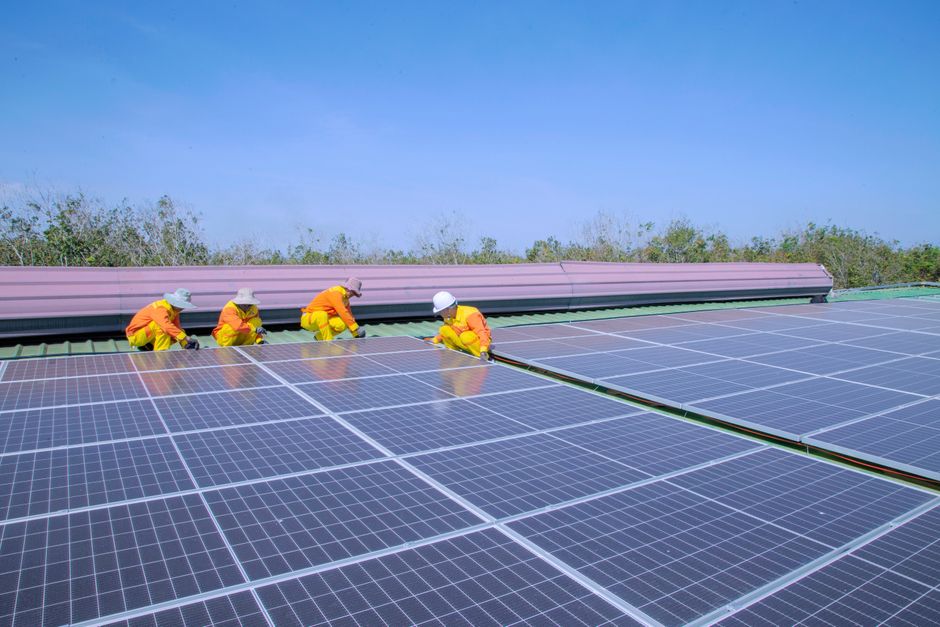
Another impressive project is the Edge in Amsterdam, recognized as one of the greenest office buildings in the world. The building utilizes solar panels, rainwater harvesting systems, and energy-efficient heating and cooling systems, resulting in a minimal carbon footprint. These projects not only demonstrate the feasibility of sustainable design but also inspire other architects to adopt similar practices.
Challenges Facing Sustainable Architecture Firms
Despite the growing awareness of sustainability, architecture firms face several challenges in implementing eco-friendly designs. One significant obstacle is the perception of increased costs associated with sustainable materials and technologies. Many clients remain skeptical about the return on investment, despite studies showing that sustainable buildings often result in lower operational costs over time.
Additionally, regulatory frameworks can hinder the adoption of innovative sustainable practices. In some regions, outdated building codes and zoning laws may not accommodate modern sustainable designs, forcing architects to compromise on their vision. Advocacy for updated regulations is crucial for the continued growth of sustainable architecture firms.
The Future of Sustainable Architecture
The future of architecture lies in sustainability. As global awareness of climate change and environmental degradation increases, the demand for sustainable buildings will continue to rise. Sustainable architecture firms are uniquely positioned to lead this charge, offering innovative solutions that prioritize the planet’s health while meeting the needs of society.
Collaboration between architects, engineers, and clients is essential in creating a sustainable future. By working together, stakeholders can develop comprehensive strategies that encompass all aspects of a building’s lifecycle. Furthermore, education and outreach efforts can help demystify sustainable practices for clients, making them more approachable and encouraging widespread adoption.
In conclusion, the emergence of sustainable architecture firms represents a pivotal shift in the construction industry. By prioritizing environmental stewardship, these firms are not only transforming the way we build but also contributing to a more sustainable future for generations to come.