
In an era where climate change and environmental degradation dominate headlines, the concept of sustainable architecture has gained unprecedented traction. Sustainable architecture firms are at the forefront of this movement, designing buildings that not only minimize ecological impact but also enhance the quality of life for their inhabitants. This article delves into the principles, benefits, and innovative practices of sustainable architecture, showcasing its essential role in creating a more sustainable future.
Understanding Sustainable Architecture

Sustainable architecture refers to the practice of designing buildings that are environmentally responsible and resource-efficient throughout their life cycle. This approach considers factors such as energy efficiency, water conservation, and the use of sustainable materials. Firms specializing in this field often prioritize designs that reduce carbon footprints and promote renewable energy.
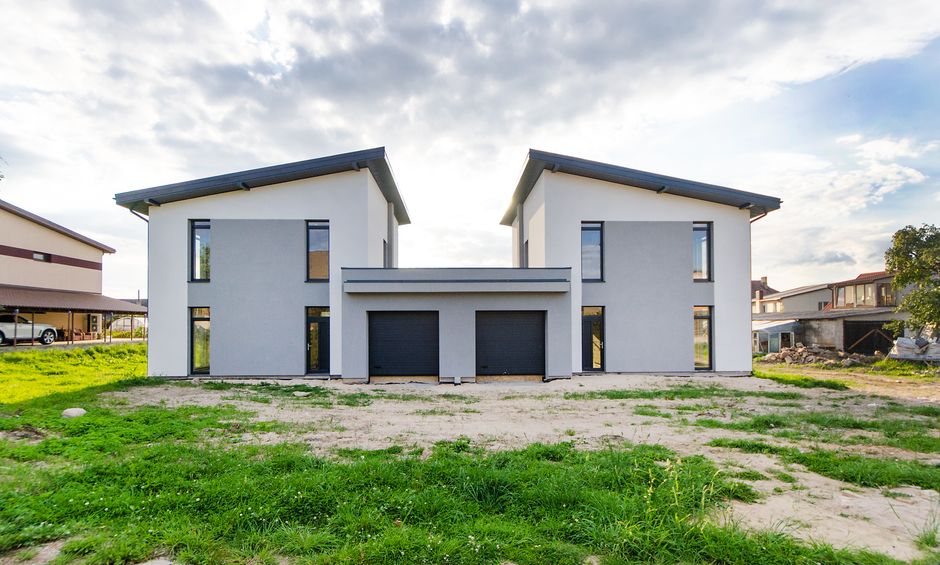
One fundamental aspect of sustainable architecture is passive design, which involves utilizing natural resources to maintain comfortable indoor environments. For instance, strategically placed windows can enhance natural lighting, thereby reducing the need for artificial lighting. This not only lowers energy costs but also contributes to occupant well-being.
The Importance of Sustainable Materials
Using sustainable materials is a cornerstone of any reputable sustainable architecture firm. Materials such as bamboo, recycled steel, and reclaimed wood are favored for their low environmental impact and durability. For example, bamboo grows rapidly and absorbs significant amounts of CO2, making it an ideal choice for eco-friendly construction.
In addition, many firms are now exploring innovative materials such as hempcrete and mycelium-based composites. These materials not only provide excellent insulation but also contribute to sustainable waste management practices. By opting for these materials, architects can significantly reduce the ecological footprint of their projects.
Energy Efficiency and Renewable Energy Integration
Energy efficiency is a critical focus for sustainable architecture firms. Implementing energy-efficient systems, such as high-performance HVAC systems and LED lighting, can dramatically lower energy consumption. Furthermore, integrating renewable energy sources like solar panels and wind turbines into building designs is increasingly common.
For instance, a recent study revealed that buildings equipped with solar panels can reduce their energy costs by up to 50%. This not only benefits the environment but also provides long-term financial savings for homeowners and businesses alike. Sustainable architecture firms are uniquely positioned to guide clients in choosing the right technologies and systems to achieve these goals.
Case Studies of Successful Sustainable Architecture Projects
To illustrate the impact of sustainable architecture, consider the Bullitt Center in Seattle, often referred to as the greenest commercial building in the world. This building is designed to operate on 100% renewable energy, featuring a rainwater harvesting system, composting toilets, and an impressive solar array. The Bullitt Center serves as a benchmark for sustainable design, demonstrating that it is possible to create functional and aesthetically pleasing spaces while prioritizing environmental concerns.
Another remarkable example is the Bosco Verticale in Milan, Italy. This residential complex consists of two towers adorned with over 9,000 trees and 20,000 plants. These green elements not only enhance the building’s aesthetic appeal but also improve air quality and provide insulation, showcasing the multifaceted benefits of integrating nature into architecture.
The Future of Sustainable Architecture
As the urgency for sustainable practices grows, the role of sustainable architecture firms will become increasingly vital. These firms will continue to innovate and adapt, leveraging new technologies and materials to create buildings that are not only environmentally friendly but also enhance the quality of life for their occupants.
Moreover, public awareness and demand for sustainable buildings are on the rise. More clients are seeking out sustainable architecture firms to ensure their projects contribute positively to the environment. This trend reflects a broader shift towards sustainability in various sectors, paving the way for a greener future.
To explore more about the services offered by a sustainable architecture firm, it is essential to understand their unique approaches and methodologies. By doing so, clients can make informed decisions that align with their values and aspirations.
Conclusion
Sustainable architecture is not just a trend; it is a necessity for a healthier planet and a better quality of life. As sustainable architecture firms continue to lead the charge towards innovative and eco-friendly designs, their influence will shape the future of building practices. By embracing sustainable principles, we can create spaces that are not only beautiful and functional but also harmonious with the environment.