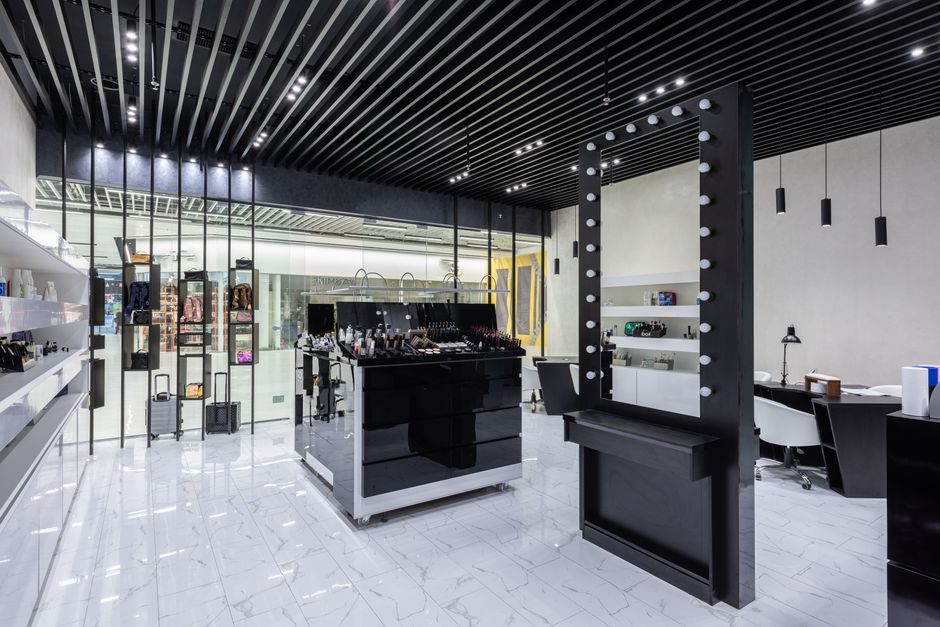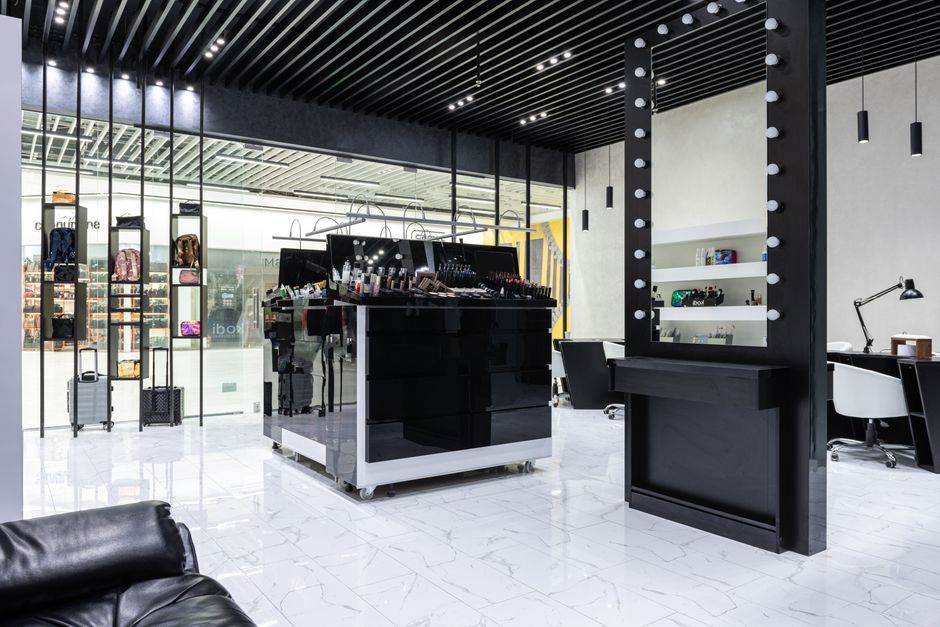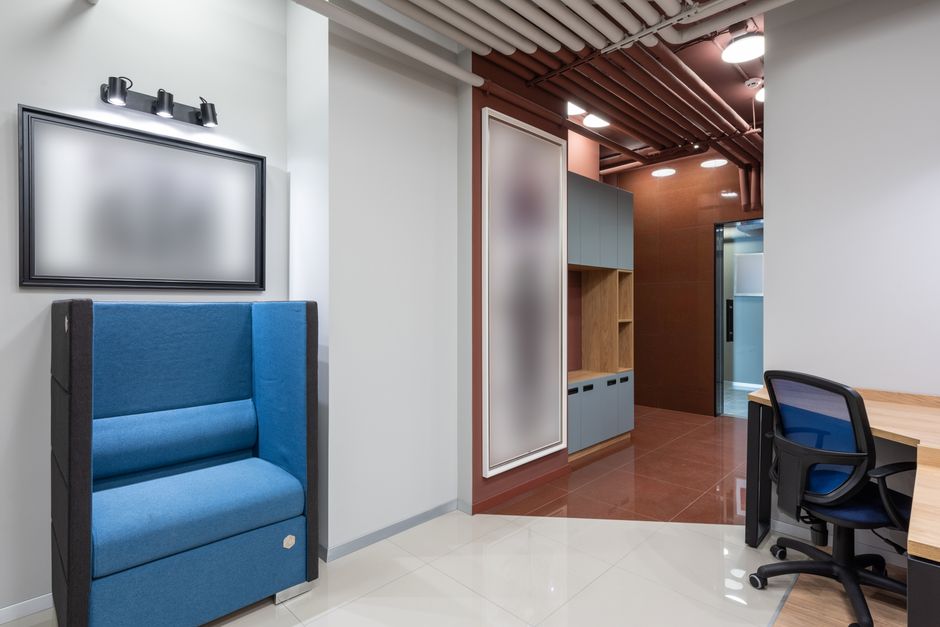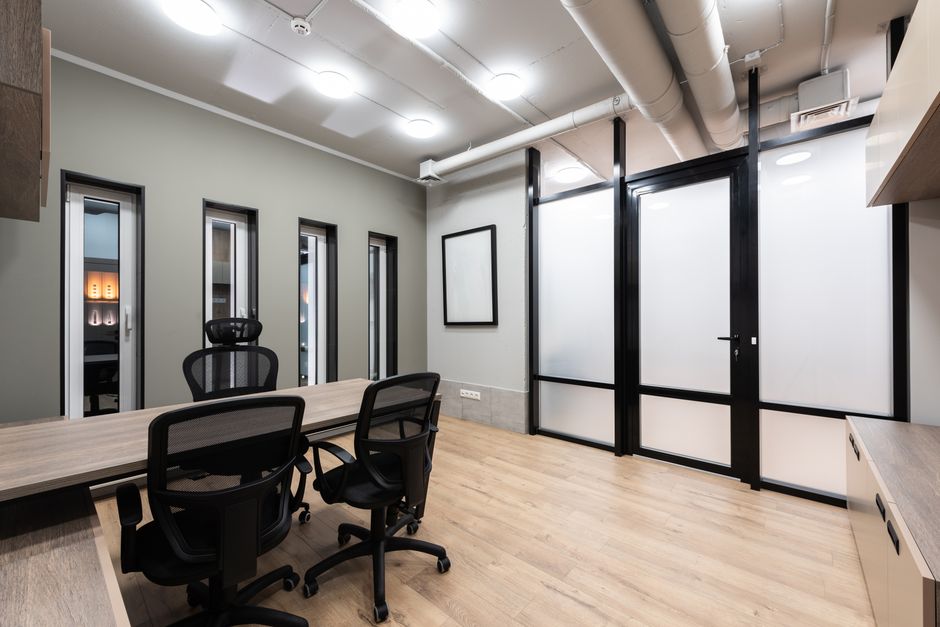

In an increasingly digital world, the need for immersive experiences has never been more prominent. Virtual tour photography has emerged as a powerful tool for businesses, real estate agents, and educational institutions to showcase their spaces in an engaging manner. This innovative medium allows potential clients and audiences to experience locations from the comfort of their homes, breaking geographical barriers and enhancing accessibility.
What is Virtual Tour Photography?
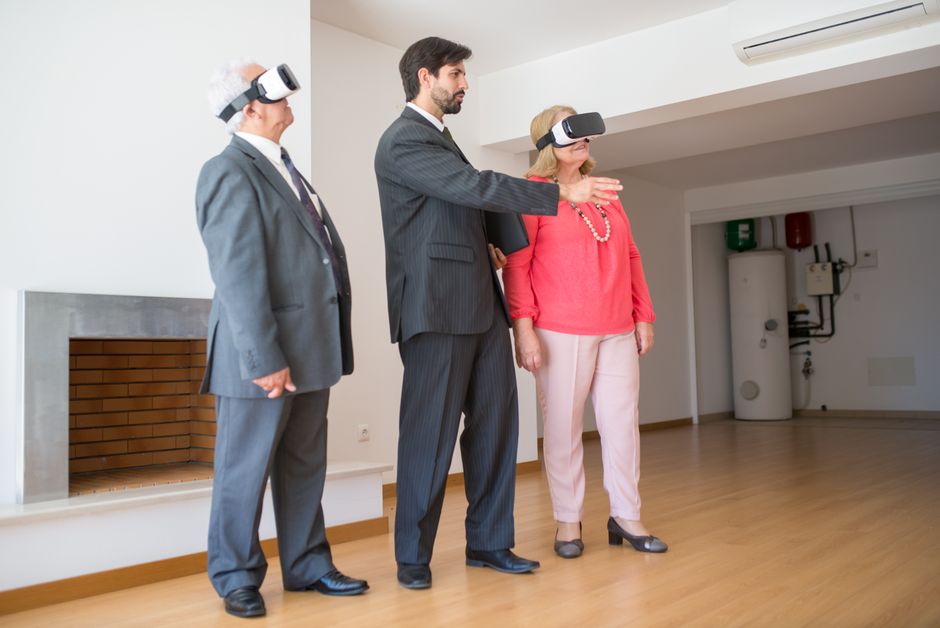
Virtual tour photography is a technique that combines high-resolution images and 360-degree photography to create an interactive experience for viewers. Unlike traditional photography, which presents a single perspective, virtual tours allow users to navigate through spaces as if they were physically present. This technology not only captures the essence of a place but also enables viewers to engage with the environment in a way that static images cannot achieve.
The process typically involves using specialized cameras and software that stitch together multiple images to form a seamless panoramic view. The resulting tour can be embedded on websites or shared via social media, making it a versatile marketing tool.
Applications of Virtual Tour Photography
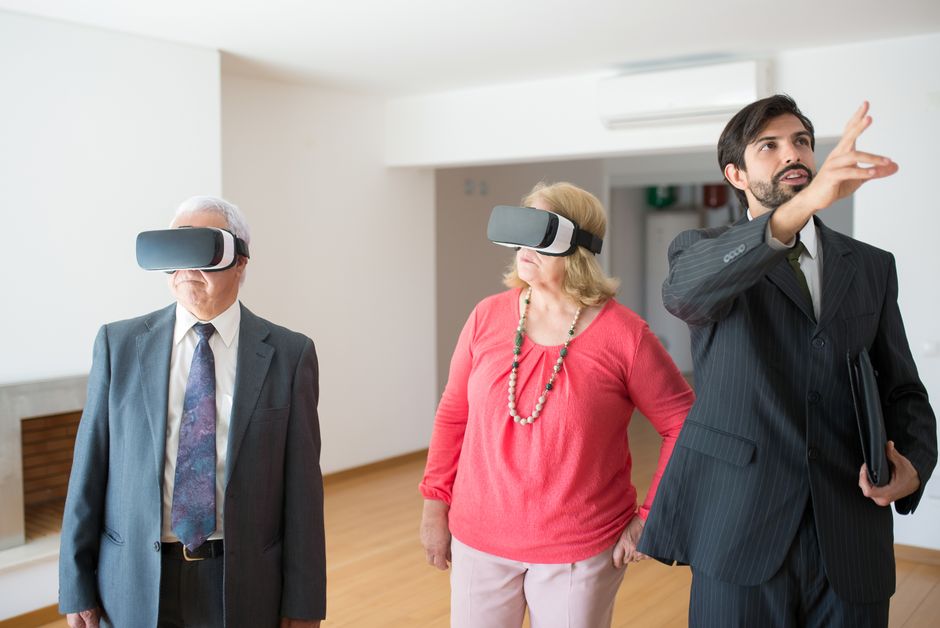
The applications of virtual tour photography are vast and varied. Real estate professionals, for instance, utilize this technology to provide potential buyers with detailed walkthroughs of properties. According to a study by the National Association of Realtors, listings with virtual tours receive 87% more views than those without.
Furthermore, educational institutions employ virtual tours to attract students by showcasing their campuses. A well-executed virtual tour can provide prospective students and their families with an intimate glimpse into the campus life, facilities, and resources available, enhancing their decision-making process.
Advantages of Virtual Tours for Businesses
For businesses, the benefits of implementing virtual tour photography are numerous. Firstly, it enhances customer engagement by providing an interactive experience that captures attention and encourages exploration. Consumers are more likely to stay on a website that offers a virtual tour, leading to increased time spent on the site and, ultimately, higher conversion rates.
Moreover, virtual tours can significantly improve SEO efforts. By incorporating virtual tours into a website, businesses can enhance their online presence and attract more traffic. Google favors websites that offer engaging content, and virtual tours can help businesses rank higher in search results, making them more visible to potential customers.
Creating an Effective Virtual Tour
Creating an effective virtual tour requires careful planning and execution. It’s crucial to start by selecting the right location and ensuring that the space is well-lit and clean. Professional photographers often recommend using a high-quality camera and tripod to ensure stability and clarity in the images.
Additionally, incorporating interactive elements, such as hotspots that provide additional information or links, can enhance the user experience. For instance, adding labels to specific features or points of interest can guide users through the tour and provide valuable context.
Once the tour is created, it’s essential to promote it effectively. Sharing the virtual tour on social media platforms and optimizing it for search engines can significantly increase visibility. Businesses should also consider integrating the tour into their email marketing campaigns to reach a wider audience.
Future Trends in Virtual Tour Photography
The future of virtual tour photography looks promising as technology continues to evolve. With advancements in virtual reality (VR) and augmented reality (AR), we can expect to see even more immersive experiences that blend real and digital environments. This could revolutionize how we experience virtual tours, making them more interactive and realistic.
Furthermore, as 5G technology becomes more widespread, the speed and accessibility of virtual tours will improve, allowing for smoother interactions and higher-quality visuals. Businesses that embrace these trends will likely gain a competitive edge in their respective markets.
Conclusion
In conclusion, virtual tour photography is transforming how we perceive and interact with spaces. Its applications span various industries, providing numerous benefits such as enhanced engagement, improved SEO, and a competitive advantage in marketing. As technology advances, the potential for virtual tours will only continue to grow, making it an essential tool for businesses looking to thrive in the digital age. For those interested in exploring the possibilities of virtual tour photography, now is the time to embrace this innovative medium and elevate your marketing strategy.