
In an age where online privacy is increasingly threatened, Virtual Private Networks (VPNs) have emerged as crucial tools for safeguarding our digital lives. A VPN service encrypts your internet connection, allowing you to browse the web safely and anonymously. This article delves into the significance of VPN services, their functionalities, and why they should be an integral part of your online security strategy.
What is a VPN Service?
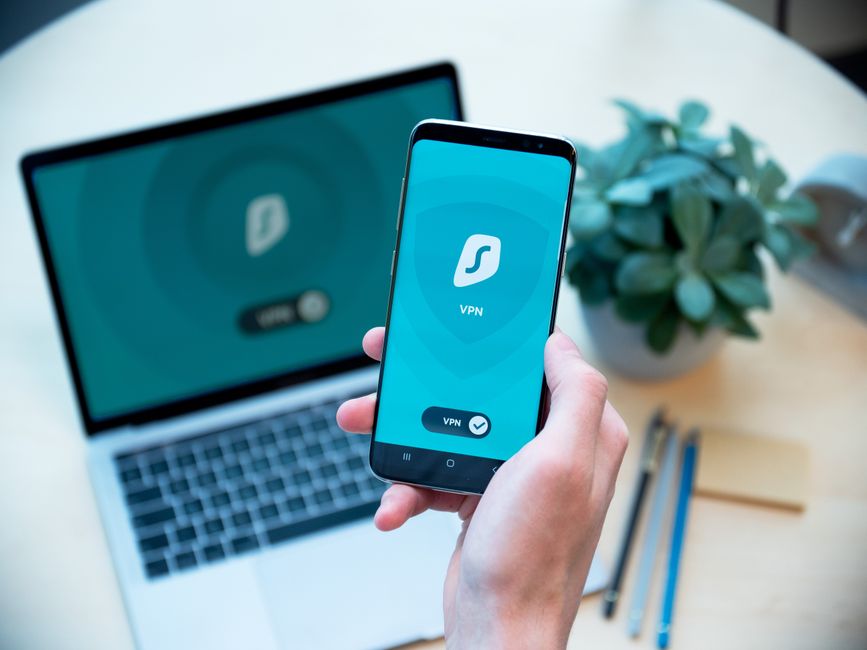
A Virtual Private Network (VPN) is a technology that creates a secure and encrypted connection over a less secure network, typically the internet. By routing your internet traffic through a VPN server, your real IP address is masked, making it appear as if you are browsing from a different location. This process not only enhances your privacy but also allows you to access geo-restricted content.
VPN services are used by individuals and businesses alike. For example, a user in South Korea might want to access a streaming service that is only available in the United States. By connecting to a VPN server located in the U.S., they can bypass these geographical restrictions and enjoy their favorite shows.
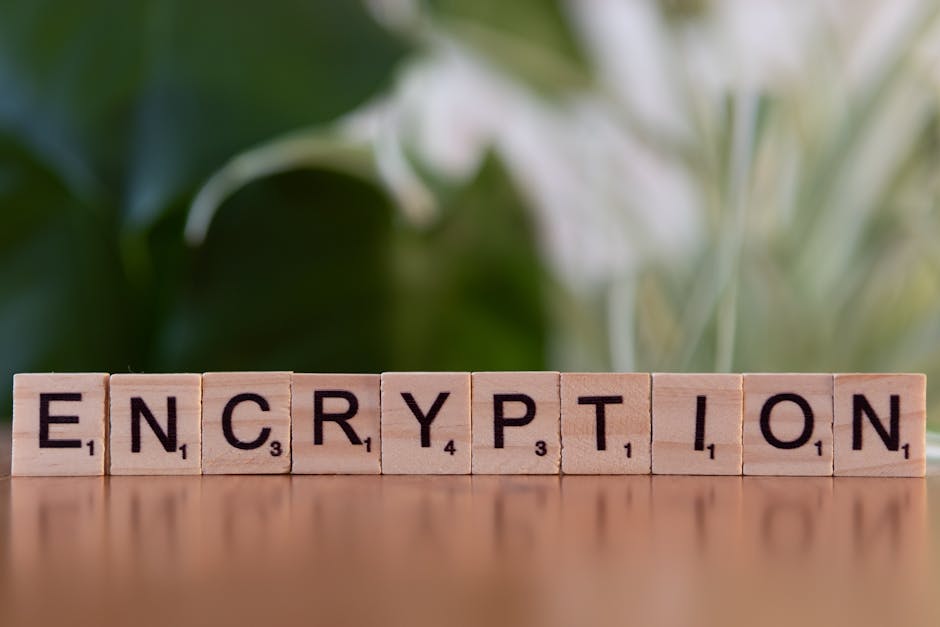
Moreover, VPNs are essential for protecting sensitive data, especially when using public Wi-Fi networks. Public networks are often unsecured, making it easy for hackers to intercept data. A VPN encrypts your internet connection, safeguarding your information from prying eyes.
Benefits of Using a VPN Service
One of the most significant benefits of using a VPN service is enhanced online privacy. When you connect to the internet through a VPN, your online activities are hidden from your Internet Service Provider (ISP) and other entities. This is particularly important in light of recent data privacy regulations and concerns over data collection practices.
In addition to privacy, VPNs also provide security. Many VPN services offer robust encryption protocols that protect your data from hackers and cybercriminals. This is particularly vital for remote workers who may access sensitive company information from various locations.
Furthermore, VPNs can help you save money. Some online services and retailers offer different prices based on your location. By using a VPN, you can compare prices from different regions and potentially find better deals.
How to Choose the Right VPN Service
With numerous VPN services available today, choosing the right one can be daunting. Here are some key factors to consider:
1. Speed: A good VPN should provide fast connection speeds. Many services can slow down your internet connection due to encryption overhead. Look for VPNs that offer optimized servers for streaming and gaming.
2. Security Features: Ensure that the VPN service you choose uses strong encryption protocols and has features such as a kill switch, which disconnects your internet if the VPN connection drops.
3. Server Locations: Check the number and location of servers offered by the VPN service. More server locations mean greater flexibility in accessing content from different regions.
4. Customer Support: Reliable customer support can be invaluable, especially if you encounter issues while using the service. Look for VPNs that offer 24/7 support through various channels.
For a comprehensive list of reputable VPN options, you may want to check out this VPN service guide that breaks down the best services available today.
Common Misconceptions About VPNs
Despite their growing popularity, several misconceptions about VPNs persist. One of the most common is that VPNs provide complete anonymity. While they enhance privacy, they do not make you completely invisible online. Your activities can still be tracked through other means, such as cookies and browser fingerprinting.
Another misconception is that VPNs are only for tech-savvy users. In reality, many VPN services are user-friendly and designed for individuals with varying levels of technical expertise. Most offer simple applications that can be installed on various devices with just a few clicks.
Lastly, some believe that VPNs are illegal. While certain countries impose restrictions on VPN usage, in most parts of the world, they are perfectly legal and widely used for legitimate purposes.
Conclusion
In conclusion, VPN services play an essential role in enhancing online privacy, security, and accessibility. Whether you are an individual looking to protect your personal data or a business aiming to secure sensitive information, using a VPN can significantly bolster your online security measures. As the digital landscape continues to evolve, investing in a reliable VPN service is more important than ever. By understanding the benefits and functionalities of VPNs, you can make informed decisions to protect your online presence.