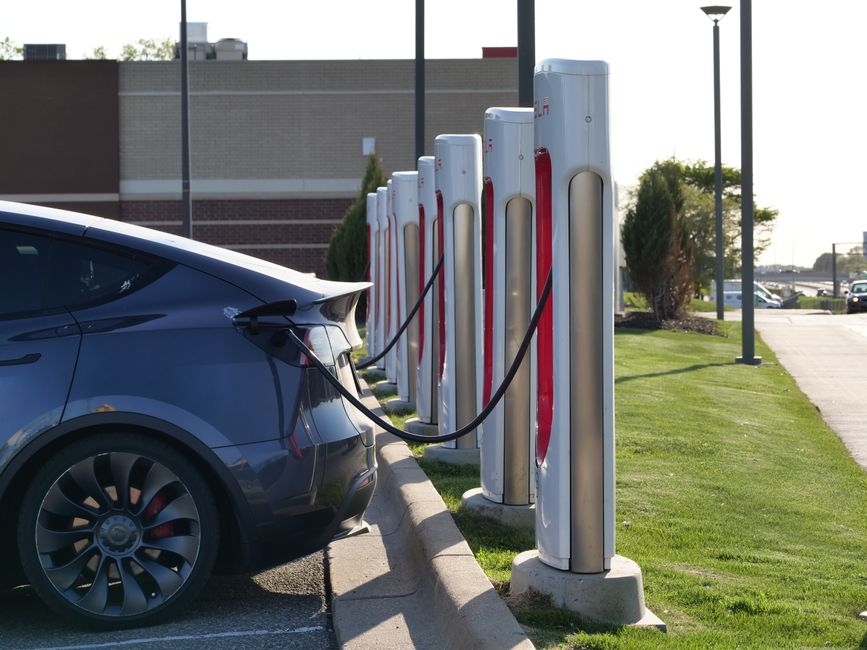

The electric vehicle (EV) market is experiencing unprecedented growth, driven largely by advancements in battery technology. As more consumers shift towards sustainable transportation options, the demand for high-quality batteries has surged. This shift has paved the way for a new breed of suppliers who specialize in EV batteries, playing a crucial role in the automotive supply chain. In this article, we will explore the landscape of EV battery suppliers, the challenges they face, and their impact on the automotive industry.
Understanding the EV Battery Market
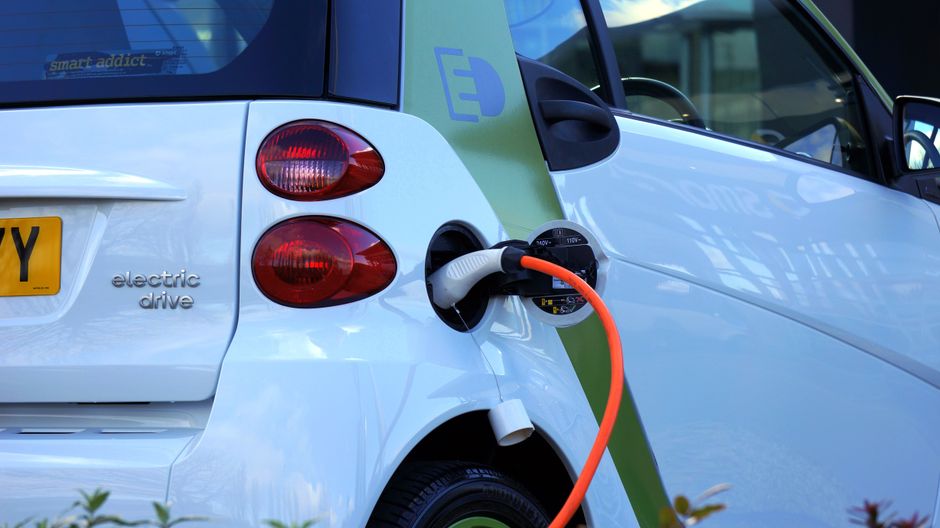
The global EV battery market is projected to grow significantly in the coming years. According to a recent report, the market is expected to reach $100 billion by 2025, driven by rising demand for electric vehicles and government initiatives promoting clean energy. The primary components of EV batteries include lithium-ion cells, which offer high energy density and longevity, making them ideal for electric vehicles.
Moreover, the increasing adoption of renewable energy sources further fuels the demand for efficient battery systems. As battery technology improves, the cost of EV batteries has also decreased, making electric vehicles more accessible to the average consumer. With major automotive manufacturers investing heavily in EV production, the role of EV battery suppliers has become more critical than ever.
Key Players in the EV Battery Supply Chain
Several companies have emerged as leaders in the EV battery supply chain, each contributing to the industry’s growth in unique ways. Companies like Panasonic, LG Chem, and CATL are at the forefront, supplying batteries to major automakers. These suppliers are not only focused on producing high-capacity batteries but are also investing in research and development to enhance battery technology.
For instance, CATL has introduced innovative battery management systems that improve the efficiency and safety of EV batteries. Additionally, suppliers are exploring alternative materials to reduce reliance on lithium and cobalt, addressing environmental and ethical concerns associated with battery production.
Challenges Facing EV Battery Suppliers
While the future of EV battery suppliers looks promising, they face several challenges. One of the significant hurdles is the supply chain constraints for raw materials. As demand increases, so does the competition for essential materials like lithium, nickel, and cobalt. These resources are often sourced from regions with geopolitical risks or labor issues, which can impact production timelines and costs.
Moreover, the recycling of EV batteries poses another challenge. As more electric vehicles hit the roads, the need for efficient recycling processes becomes crucial to minimize waste and environmental impact. Suppliers are now investing in technologies that can recover valuable materials from used batteries, which could help create a more sustainable supply chain.
The Future of EV Battery Suppliers
The future of EV battery suppliers is not just about meeting the current demand; it is also about innovation and sustainability. As the automotive industry shifts towards electrification, suppliers are focusing on developing batteries that are not only high-performing but also environmentally friendly. This includes advancements in solid-state batteries, which promise higher energy densities and improved safety compared to traditional lithium-ion batteries.
Additionally, collaborations between automakers and battery suppliers are becoming more common. Partnerships allow for shared expertise and resources, leading to faster innovations and more efficient production processes. As the EV market continues to expand, these collaborations will likely play a pivotal role in shaping the future of transportation.
Conclusion
The rise of EV battery suppliers marks a significant shift in the automotive industry. As electric vehicles become the norm rather than the exception, the role of these suppliers will only grow in importance. By overcoming challenges related to raw materials and recycling, and by embracing innovation, EV battery suppliers will help power the future of sustainable transportation. As we move forward, their contributions will be essential in achieving a greener, more efficient automotive landscape.