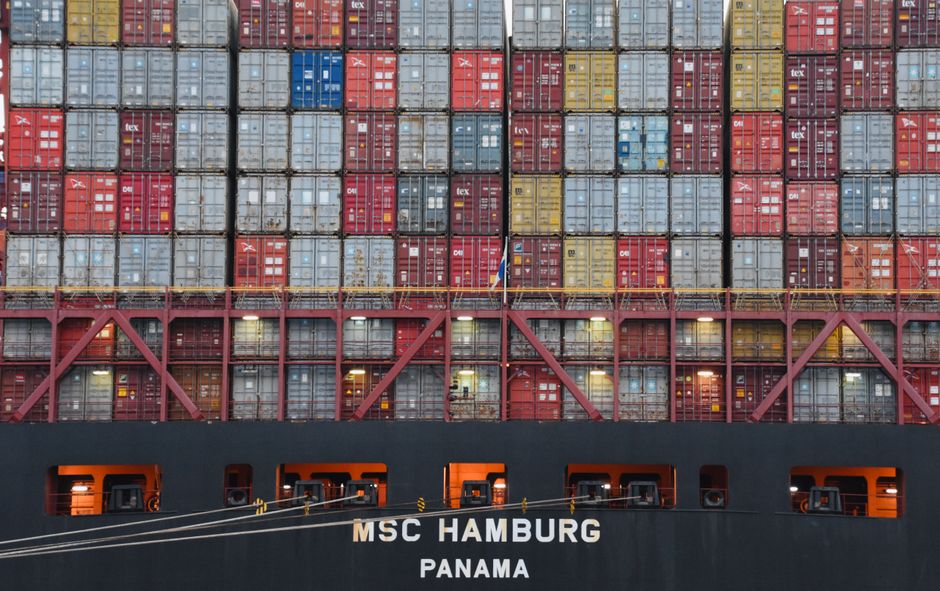

In an increasingly globalized economy, the importance of cargo insurance cannot be overstated. As businesses expand their reach across borders, the need to safeguard goods in transit becomes paramount. This article delves into the various aspects of cargo insurance, highlighting its significance, types, and key considerations for businesses.
What is Cargo Insurance?

Cargo insurance is a specialized form of insurance that provides coverage for goods while they are being transported. This protection can extend across different modes of transportation, including land, air, and sea. By purchasing cargo insurance, businesses can mitigate the financial risks associated with loss or damage to their shipments.
The coverage typically includes various risks such as theft, damage due to accidents, or natural disasters. However, the specifics can vary based on the policy chosen. Understanding the fundamental principles of cargo insurance is essential for businesses involved in shipping goods.
Types of Cargo Insurance
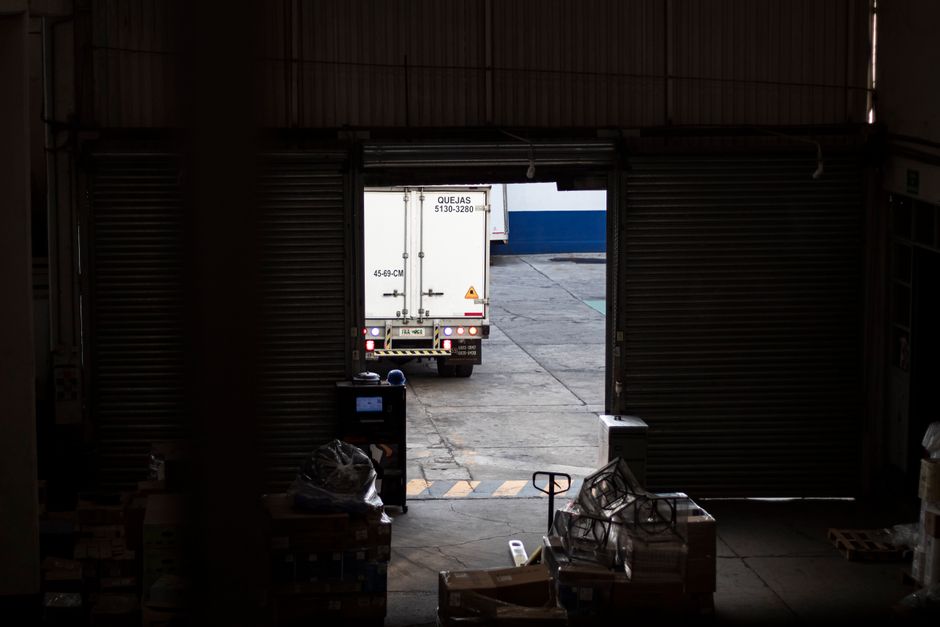
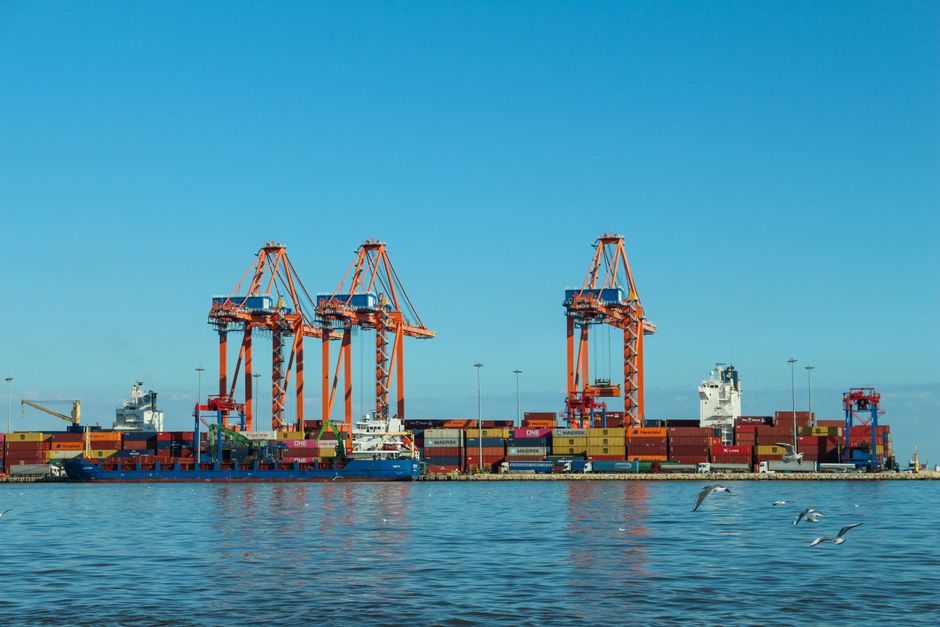
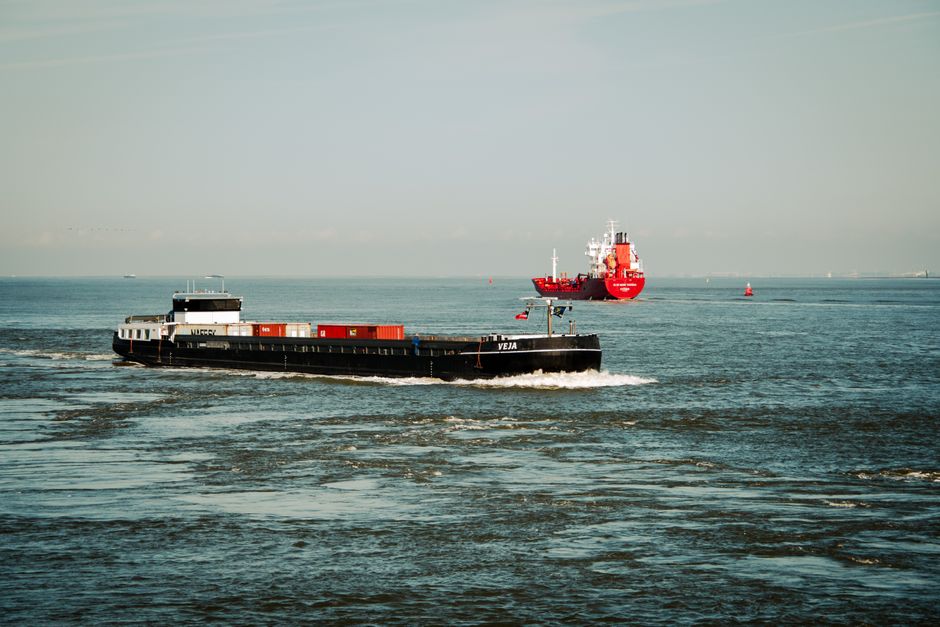
There are primarily two types of cargo insurance: marine cargo insurance and inland cargo insurance. Marine cargo insurance covers goods transported over water, while inland cargo insurance is concerned with goods moved over land routes. Each type has unique features tailored to the specific risks associated with its mode of transport.
Additionally, there are two main coverage options available: all-risk coverage and named perils coverage. All-risk coverage is comprehensive, protecting against a wide range of potential issues, while named perils coverage only protects against specifically listed risks. Businesses should carefully assess their shipping needs to determine which type of coverage is most suitable.
Why is Cargo Insurance Important?
Cargo insurance is crucial for several reasons. First, it protects the financial investment made in goods. Without insurance, a business could face significant losses in the event of damage or theft. For instance, a shipment of electronics valued at $100,000 could become a total loss if not adequately insured.
Moreover, cargo insurance is sometimes a requirement imposed by shipping companies or trade agreements. This means that failing to secure adequate coverage could result in shipment delays or increased costs. Understanding the legal implications of cargo insurance can save businesses from unforeseen complications.
How to Choose the Right Cargo Insurance
Choosing the right cargo insurance involves evaluating the specific needs of your business. Factors to consider include the type of goods being transported, the mode of transport, and the geographical areas involved. Businesses should also evaluate potential risks specific to their industry and shipping routes.
Working with a reputable insurance broker can provide valuable insights into the best coverage options available. Brokers can help tailor policies to meet individual business needs, ensuring that all potential risks are adequately covered.
Claims Process and Best Practices
In the unfortunate event of a loss or damage, understanding the claims process is vital. Businesses should document all shipments meticulously, including taking photographs and keeping receipts. This documentation can be crucial when filing a claim with the insurance provider.
Additionally, notifying the insurance company as soon as a loss occurs can streamline the claims process. Many insurers have specific time frames within which claims must be reported, so prompt action is essential.
Conclusion
In conclusion, cargo insurance plays a fundamental role in protecting businesses and their assets during transit. With the right coverage, businesses can navigate the complexities of shipping with greater confidence. By understanding the types of cargo insurance available, the importance of coverage, and how to choose the right policy, businesses can safeguard their interests and minimize risks associated with transporting goods.