
In today’s agricultural landscape, crop insurance has become an essential tool for farmers to mitigate risks associated with unforeseen events. From natural disasters to market fluctuations, crop insurance offers financial protection that can make or break a farming operation. This article delves into the intricacies of crop insurance, exploring its benefits, types, and its crucial role in sustainable agriculture.
What is Crop Insurance?
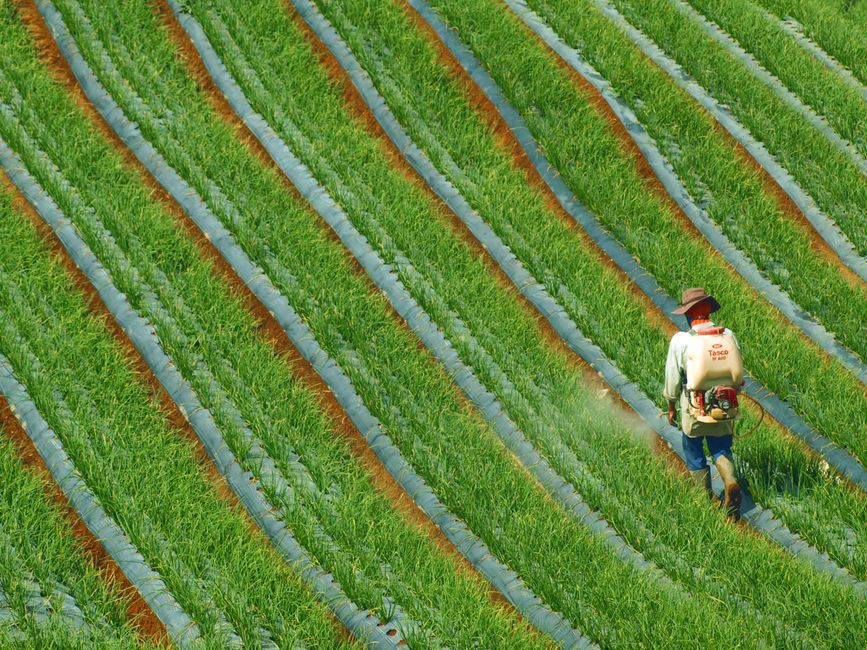
Crop insurance is a type of insurance policy designed to protect farmers from the loss of their crops due to various risks. These risks include adverse weather conditions, pests, diseases, and even market declines. By providing a financial safety net, crop insurance enables farmers to invest in their operations with greater peace of mind.
In essence, crop insurance acts as a buffer against the unpredictability of farming. The United States Department of Agriculture (USDA) offers various crop insurance programs, which can be tailored to meet the specific needs of different agricultural sectors. This flexibility is one of the key reasons why many farmers opt for this form of protection.
The Importance of Crop Insurance
The significance of crop insurance cannot be overstated. According to recent statistics, farms that have crop insurance are more likely to recover from losses and continue their operations than those without it. For instance, during the 2020 crop year, farmers in the U.S. received over $10 billion in indemnity payments due to adverse weather events.
Moreover, crop insurance contributes to the overall stability of the agricultural sector. By safeguarding individual farms, it helps maintain food supply chains, which is critical for both local and global markets. This stability is vital not only for farmers but also for consumers who rely on consistent food availability.
Types of Crop Insurance
There are several types of crop insurance available, each designed to address different risks and farming practices. The two main categories are Actual Production History (APH) insurance and Revenue Protection (RP) insurance. APH insurance compensates farmers based on their historical yield, while RP insurance considers both yield and commodity price fluctuations.
Additionally, there are specialized insurance products such as Whole-Farm Revenue Protection (WFRP) that cover all crops on a farm under a single policy. This is particularly beneficial for diversified farms that grow multiple crops. Understanding these options can help farmers choose the right insurance products tailored to their specific needs.
Challenges in Crop Insurance
Despite its benefits, crop insurance is not without challenges. One major issue is the complexity of the policies, which can be difficult for farmers to navigate. Many farmers may find the application process daunting, leading to underutilization of available resources. Additionally, premium costs can be a barrier for some farmers, particularly those operating on a tight budget.
Furthermore, the effectiveness of crop insurance can vary based on geographical location and the types of crops grown. For example, regions prone to extreme weather events may require different coverage levels compared to those with more stable climates. Therefore, it is crucial for farmers to assess their individual circumstances and seek advice from insurance experts.
The Future of Crop Insurance
As climate change continues to impact agriculture, the future of crop insurance will likely evolve. Innovations in technology, such as satellite imagery and data analytics, are paving the way for more accurate risk assessments and tailored insurance products. These advancements can help farmers make informed decisions about their coverage needs.
Moreover, as agricultural practices become more sustainable, crop insurance will play a vital role in supporting environmentally friendly farming methods. Policies that incentivize sustainable practices can help promote a resilient agricultural sector that is better equipped to handle the challenges of the future.
In conclusion, crop insurance serves as a crucial component of modern agriculture, providing financial security and enabling farmers to thrive despite uncertainties. By understanding the types, benefits, and challenges of crop insurance, farmers can make informed decisions that safeguard their livelihoods and contribute to a stable food supply.