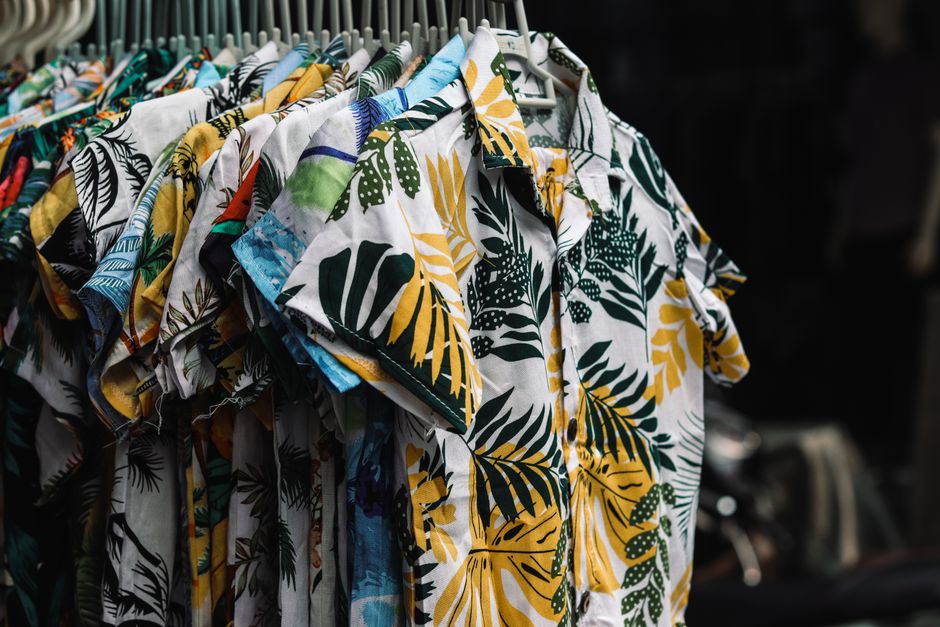

In the ever-evolving world of fashion and retail, private label clothing has emerged as a significant trend that offers various opportunities for entrepreneurs and established brands alike. This article explores the concept of private label clothing, its advantages, and how businesses can leverage it to stand out in a competitive market.
Understanding Private Label Clothing
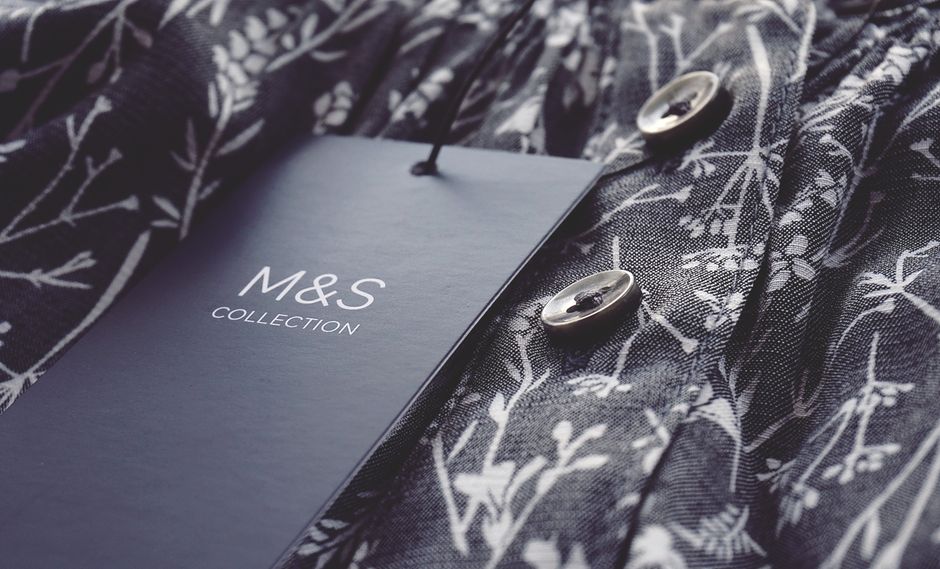
Private label clothing refers to garments produced by one company for sale under another company’s brand. This strategy allows retailers to offer exclusive lines that are often tailored to their target audience. For instance, major retailers such as Target and Walmart have successfully utilized private labels to create unique shopping experiences for their customers.
One of the key benefits of private label clothing is the control it gives retailers over pricing, branding, and product quality. By working closely with manufacturers, businesses can ensure that their product lines align with their brand identity, which can enhance customer loyalty.
Moreover, private label clothing often comes at a lower cost than name-brand products, allowing retailers to improve their profit margins significantly. The ability to dictate production specifications also means that businesses can respond more swiftly to changing fashion trends and consumer demands.
Benefits of Private Label Clothing
Businesses that invest in private label clothing can enjoy numerous advantages. Firstly, it allows for a greater control over the supply chain and product offerings. Retailers can select the materials, designs, and manufacturing processes they prefer, ensuring that the final product meets their standards.
Secondly, private label clothing helps in building brand recognition. When consumers find a product they love, they are more likely to associate that satisfaction with the retailer’s brand rather than the manufacturer. This brand loyalty can lead to repeat purchases and increased customer retention.
Additionally, private label clothing provides an opportunity to differentiate from competitors. By offering unique styles or limited-edition collections, retailers can create excitement and exclusivity around their brand, which can attract new customers.
How to Start a Private Label Clothing Line
Starting a private label clothing line involves several key steps. First, businesses need to identify their target market and understand their preferences. Conducting market research can help in determining what styles, colors, and price points will resonate with potential customers.
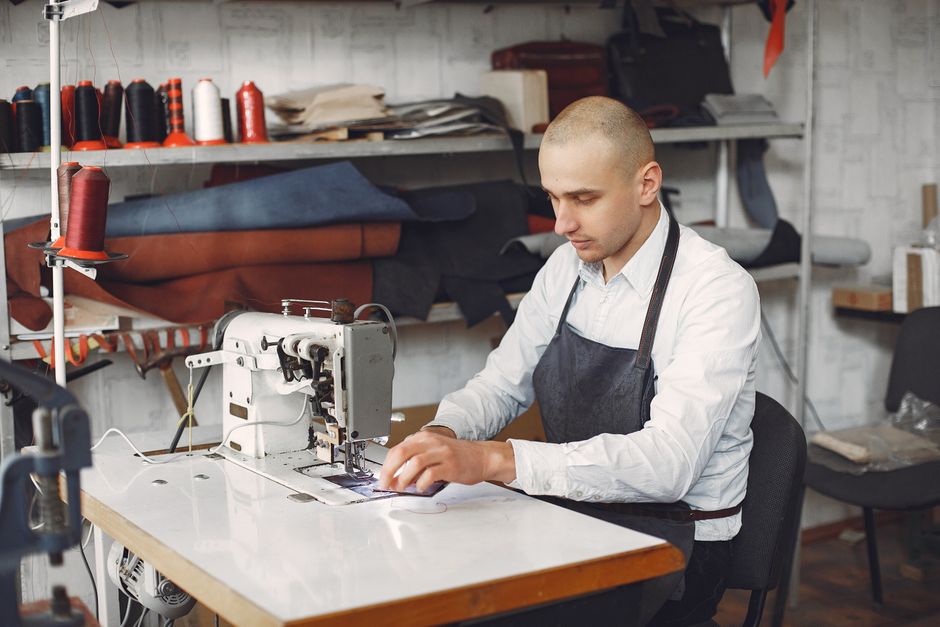
The next step is to find reliable manufacturers who can produce quality garments at competitive prices. Building strong relationships with manufacturers is crucial, as it can lead to better pricing, faster production times, and improved product quality.
Once the products are developed, retailers must focus on branding and marketing strategies. Creating a compelling brand story and utilizing various marketing channels can help in promoting the new private label clothing line effectively. For instance, leveraging social media platforms can create buzz and drive traffic to online stores.
Finally, it’s essential to monitor sales and customer feedback continually. This data can provide valuable insights into what works and what doesn’t, allowing businesses to adjust their strategies accordingly.
Challenges of Private Label Clothing
Despite the many benefits, there are challenges associated with private label clothing. One significant hurdle is the initial investment required to launch a new clothing line. From design to production, the costs can add up quickly, which may be a barrier for some small businesses.
Additionally, maintaining consistent quality can be difficult, especially when working with multiple suppliers. Retailers must implement strict quality control measures to ensure that their private label products meet customer expectations.
Competition is another challenge; as more retailers turn to private labeling, standing out in a crowded market becomes increasingly difficult. Businesses must continuously innovate and offer unique products to capture consumer interest.
Future of Private Label Clothing
The future of private label clothing looks promising, especially with the rise of e-commerce. More consumers are shopping online, and private label products are often more appealing due to their affordability and unique branding. According to recent statistics, private label sales have been steadily increasing, with many consumers willing to try these products over established brands.
As sustainability becomes more critical to consumers, private label brands that focus on eco-friendly practices are likely to gain an edge. Businesses that prioritize sustainable materials and ethical production methods can attract environmentally-conscious shoppers.
In conclusion, private label clothing presents a valuable opportunity for retailers to expand their offerings and strengthen their brand presence. By understanding the market, navigating challenges, and staying ahead of trends, businesses can thrive in this dynamic landscape. For those looking to explore options in the private label clothing sector, sites like private label clothing provide helpful resources and connections.