
When it comes to furnishing a child’s room, parents often face the challenge of finding the right balance between functionality, safety, and style. A kids furniture store is not just a place to buy items; it is a space where imagination meets practicality. In this article, we will explore what makes a kids furniture store unique and how to create an engaging shopping experience for both children and their parents.
Understanding the Needs of Children
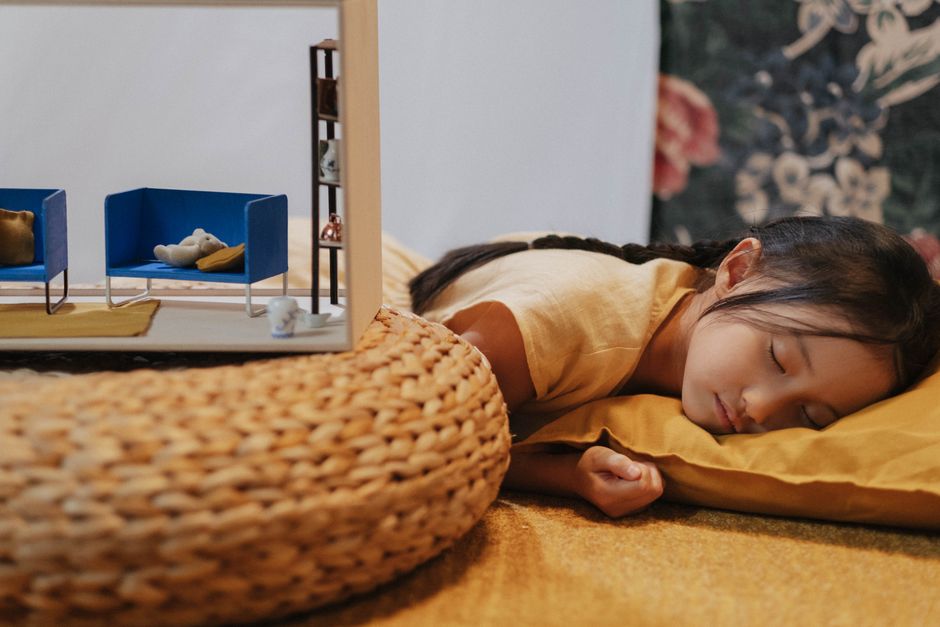
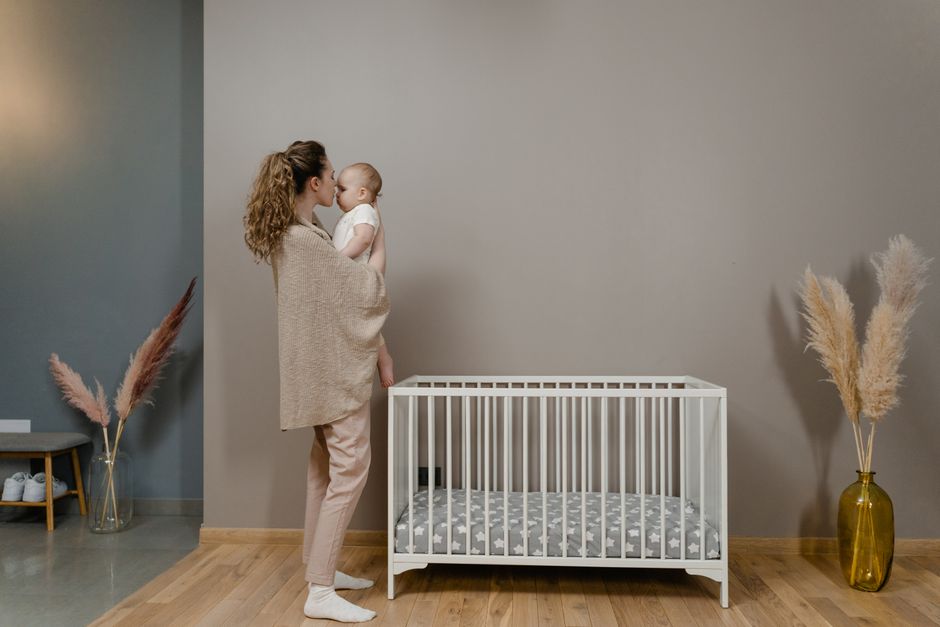
Children’s furniture needs to cater to a variety of factors that regular furniture does not consider. For instance, safety is paramount. Furniture should have rounded edges, be made from non-toxic materials, and should be sturdy enough to withstand the wear and tear of children’s activities. Furthermore, children grow quickly, which necessitates furniture that can adapt to their changing needs. Convertible beds or desks that can grow with the child are excellent examples of this.
Moreover, the design should be appealing to children. Bright colors, fun shapes, and creative themes can make a room feel welcoming and stimulate a child’s imagination. Incorporating elements like a tent bed or a whimsical bookshelf can turn a simple space into a magical wonderland.
Finally, parents are increasingly conscious of the environmental impact of their purchases. Sustainable materials and ethically sourced products are becoming more popular, making eco-friendly options an essential part of any kids furniture store’s offering.
The Importance of Space Planning
When designing a kids furniture store, space planning is critical. The layout should facilitate an easy flow of traffic, allowing parents and children to navigate the space comfortably. Zones can be created for different types of furniture, such as sleeping, studying, and play areas. This organization can help customers quickly find what they need while providing children with areas to explore.
Interactive displays can also enhance the shopping experience. For example, a small play area where children can test out furniture or a reading nook stocked with children’s books can make the store more engaging. It encourages parents to spend more time in the store, leading to increased sales.
Moreover, considering the height of displays is crucial. Items should be accessible to children, allowing them to participate in the shopping experience. This sense of involvement can make the process enjoyable and memorable for them.
Marketing Strategies for Kids Furniture Stores
Effective marketing strategies are essential for attracting customers to a kids furniture store. Social media platforms, especially those popular among young parents, can be utilized to showcase new products and store events. Creating engaging content, such as DIY projects or tips for decorating a child’s room, can establish the store as an authority in the niche.
Collaborating with influencers in the parenting space can also drive traffic. Influencers can provide authentic reviews and reach a larger audience, expanding the store’s visibility. Promotions, such as seasonal sales or clearance events, can further entice customers to visit the store.
Additionally, hosting workshops or events can create a community around the store. For example, inviting parents to a seminar on child development or organizing a craft day can foster relationships and encourage repeat visits.
Online Presence and E-commerce
In today’s digital age, having a strong online presence is crucial for any retail business, including kids furniture stores. An e-commerce platform allows customers to browse products from the comfort of their homes, making it convenient for busy parents. High-quality images and detailed product descriptions are vital in an online setting, as customers cannot physically interact with the furniture.
Moreover, incorporating customer reviews can build trust with potential buyers. Parents often seek reassurance from others before making significant purchases for their children. A robust review section can greatly influence buying decisions.
Additionally, offering virtual consultations can bridge the gap between online shopping and personalized service. Customers can receive help in selecting the right furniture for their child’s needs, enhancing their shopping experience.
Creating a Memorable In-store Experience
The overall ambiance of a kids furniture store plays a significant role in the shopping experience. Bright colors, playful designs, and child-friendly layouts can make a store inviting. Staff training is equally important; employees should be knowledgeable about the products and be able to engage with both children and parents effectively.
Moreover, providing amenities such as a small café or a waiting area with toys can make the experience more enjoyable, encouraging customers to linger longer. Simple touches, like offering complimentary snacks or drinks, can leave a lasting impression.
Finally, incorporating technology, such as augmented reality, can create a unique shopping experience. Customers can visualize how furniture will look in their child’s room through AR apps, helping them make informed decisions.
Conclusion
A kids furniture store is more than just a retail space; it is a destination for creativity, safety, and comfort. By understanding the unique needs of children and their parents, implementing strategic marketing efforts, and creating an inviting atmosphere, store owners can enhance the shopping experience significantly. Ultimately, the goal is to provide a space where both children and parents feel valued and inspired. If you are looking for an exceptional kids furniture store, take the time to explore all that is available to make your child’s room a true reflection of their personality and needs.