
The luxury fashion industry has undergone a significant transformation in recent years, with the emergence of luxury brand resellers playing a pivotal role. These resellers provide a platform for consumers to buy and sell high-end fashion items, making luxury more accessible than ever before. In this article, we will explore the dynamics of the luxury resale market, the benefits of purchasing from resellers, and what it means for the future of luxury branding.
Understanding the Luxury Resale Market
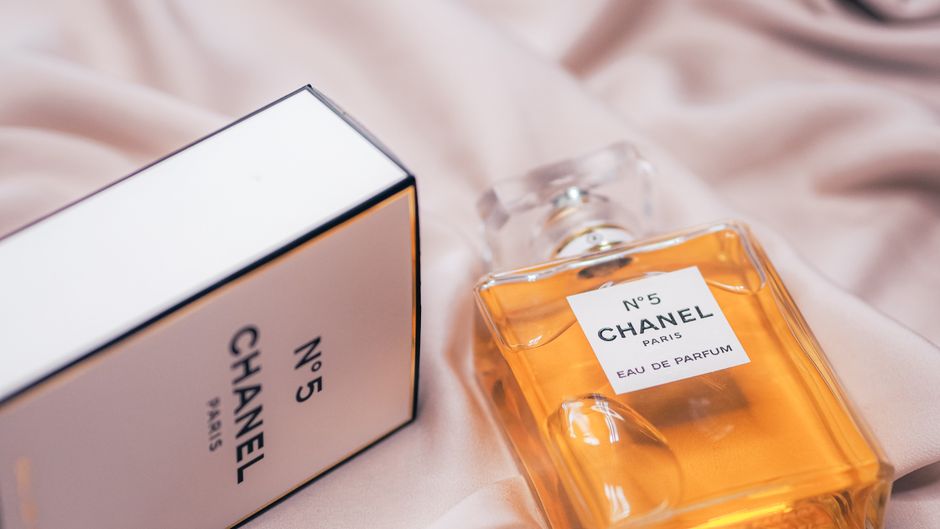
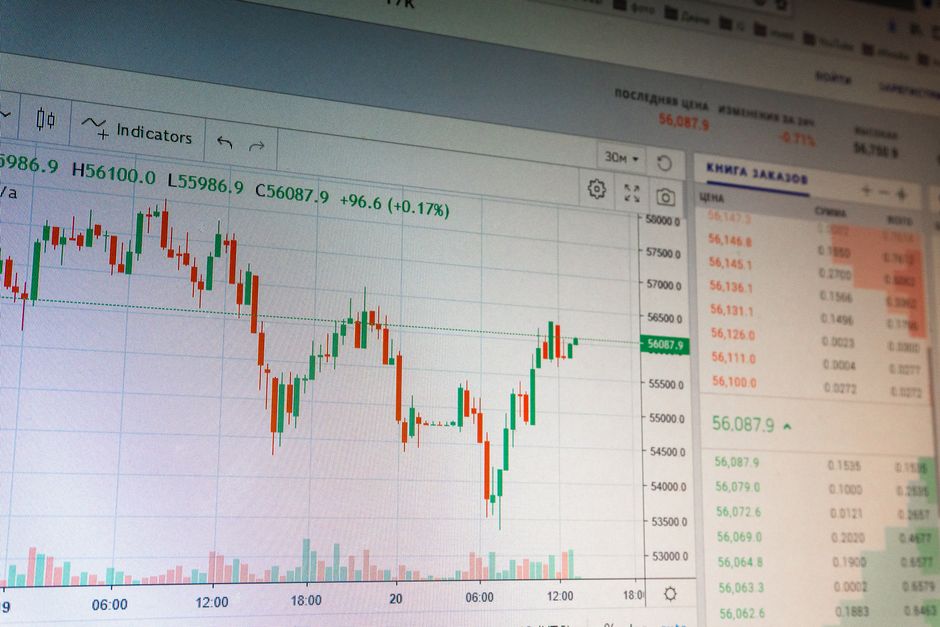
The luxury resale market has exploded in popularity, with a projected growth rate of 20% annually. This surge can be attributed to several factors, including the rise of sustainability consciousness among consumers. Many shoppers are now seeking ways to minimize their environmental impact, and purchasing second-hand luxury goods is a great way to do so.
Additionally, the COVID-19 pandemic has shifted consumer behavior, with many people turning to online shopping and resale platforms to find unique pieces at more affordable prices. This trend has opened up opportunities for luxury brand resellers to thrive in a competitive landscape.
Benefits of Buying from Luxury Brand Resellers
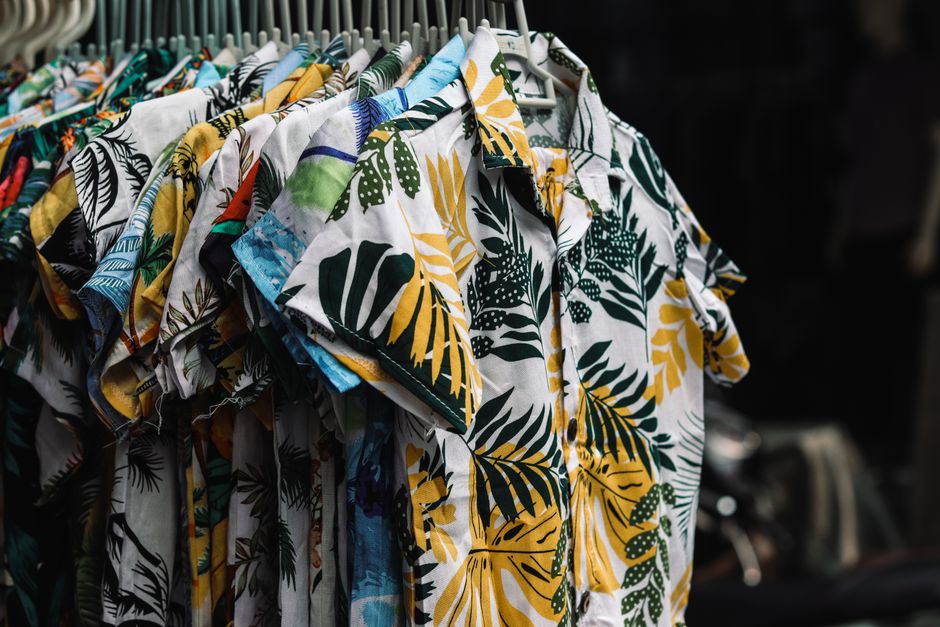
One of the primary advantages of purchasing from a luxury brand reseller is the variety of options available. Resellers often curate a diverse selection of items, from vintage finds to limited-edition pieces that may no longer be available in traditional retail settings. This allows consumers to find unique items that reflect their personal style.
Another significant benefit is affordability. While luxury goods are often associated with high price tags, buying from resellers can provide significant savings. For example, a designer handbag that originally retailed for $3,000 might be available for $1,500 on a resale platform, making luxury more attainable for a broader audience.
Moreover, buying pre-owned luxury items contributes to a circular economy, reducing waste and promoting sustainability in the fashion industry. As consumers become more aware of the environmental impact of fast fashion, the appeal of luxury resellers continues to grow.
The Role of Technology in Resale Platforms
Technology has played a crucial role in the rise of luxury brand resellers. Many platforms utilize advanced algorithms and AI technology to authenticate products, ensuring that buyers are getting genuine luxury items. This not only enhances consumer trust but also protects the integrity of luxury brands.
Additionally, mobile apps and user-friendly websites have made it easier for consumers to browse and purchase luxury goods from the comfort of their homes. Social media platforms also serve as a marketing tool for these resellers, allowing them to reach a wider audience and showcase their curated collections.
The Future of Luxury Brand Reselling
As the luxury resale market continues to expand, it is likely that more traditional luxury brands will embrace this trend. Some high-end brands have already begun to explore their own resale channels, recognizing the potential for increased brand loyalty and customer engagement.
In the long term, we may see a shift in the perception of luxury itself. The traditional notion of luxury as something exclusive may evolve into a more inclusive model, where accessibility and sustainability are key components. This could redefine what it means to be a luxury brand in the modern era.
Conclusion
The rise of luxury brand resellers signifies a pivotal shift in the fashion industry, promoting sustainability, affordability, and accessibility. As consumers increasingly seek out unique and environmentally friendly options, luxury resellers are well-positioned to meet this demand. For those looking to dive into the world of luxury fashion, exploring the offerings of a luxury brand reseller can be an exciting and rewarding experience.