
In recent years, the demand for baby furniture has seen a significant rise, driven by the increasing number of new parents and the growing awareness of the importance of providing a safe and comfortable environment for infants. As a result, the wholesale market for baby furniture has become a lucrative opportunity for retailers and suppliers alike. This article delves into the current trends, challenges, and opportunities in the baby furniture wholesale industry.
Understanding the Baby Furniture Market
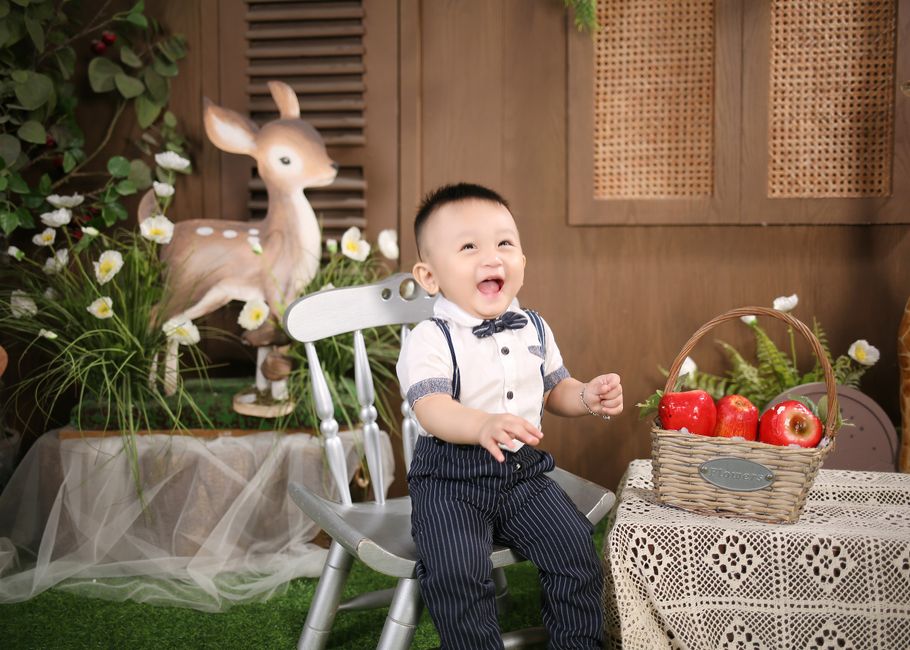
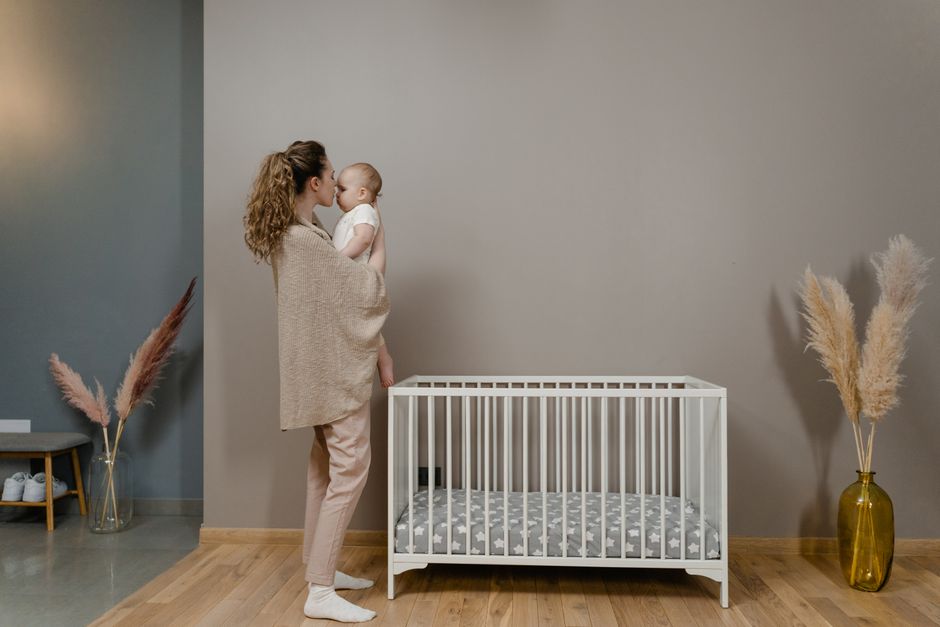
The baby furniture market is a segment of the larger furniture industry, focusing specifically on products designed for infants and toddlers. This includes cribs, changing tables, dressers, and more. According to a report by Grand View Research, the global baby furniture market size was valued at approximately $3 billion in 2022 and is expected to grow at a compound annual growth rate (CAGR) of over 5% from 2023 to 2030.
One of the key drivers of this growth is the increasing number of births globally. With more families choosing to have children, the demand for quality baby furniture has surged. Additionally, parents are becoming more discerning about the products they purchase, seeking out items that are not only functional but also stylish and environmentally friendly.
Furthermore, the rise of e-commerce has transformed how consumers shop for baby furniture. Online retailers are now able to offer a wider selection of products at competitive prices, making it easier for parents to find what they need. As such, wholesalers must adapt to these changes to remain competitive.
Key Trends in Baby Furniture Wholesale
Several trends are shaping the baby furniture wholesale market. First, there is a noticeable shift towards eco-friendly and sustainable materials. Parents are increasingly concerned about the impact of their purchases on the environment and are opting for furniture made from sustainable wood, organic fabrics, and non-toxic finishes.
Additionally, customization has become a popular trend. Many retailers are offering personalized baby furniture options, allowing parents to select colors, patterns, and even engravings. This trend not only enhances the shopping experience but also allows retailers to differentiate themselves in a crowded market.
Finally, technology integration is becoming more prevalent. Smart furniture that incorporates technology, such as cribs with built-in monitors or changing tables with temperature controls, is gaining traction among tech-savvy parents. Wholesalers who can provide these innovative products are likely to see increased demand.
Challenges Facing the Industry
While the baby furniture wholesale market presents numerous opportunities, it is not without its challenges. One major issue is the rising cost of materials. As raw material prices increase, wholesalers may find it difficult to maintain competitive pricing without sacrificing quality.
Another challenge is navigating regulations and safety standards. Baby furniture must meet strict safety guidelines to ensure the well-being of infants. Wholesalers need to stay informed about these regulations and ensure that their products comply, which can be both time-consuming and costly.
Additionally, the market is becoming increasingly saturated. With more retailers entering the space, it is essential for wholesalers to establish a strong brand identity and build relationships with retailers to secure their place in the market.
Strategies for Success in Baby Furniture Wholesale
To thrive in the competitive baby furniture wholesale market, businesses must adopt effective strategies. First, focusing on quality and safety is paramount. By offering well-made and safe products, wholesalers can build trust with retailers and parents alike.
Moreover, leveraging digital marketing strategies can help wholesalers reach a broader audience. Utilizing social media, content marketing, and search engine optimization (SEO) can drive traffic to their websites and increase brand visibility.
Finally, building strong partnerships with retailers is crucial. Wholesalers should engage in regular communication, provide excellent customer service, and offer incentives for bulk purchases to foster long-term relationships.
Conclusion
The baby furniture wholesale industry is poised for growth, driven by increasing demand and evolving consumer preferences. By understanding the market dynamics, staying ahead of trends, and addressing challenges proactively, wholesalers can position themselves for success. As parents continue to prioritize quality and safety in their purchases, the opportunity for wholesalers to provide high-quality baby furniture is greater than ever. For those looking to enter this market, exploring options such as baby furniture wholesale can be an excellent starting point.