
In recent years, the luxury retail landscape has undergone a profound transformation. With the rise of e-commerce and changing consumer preferences, luxury brand resellers have emerged as key players in this market. These resellers provide an alternative avenue for consumers to access high-end products at more competitive prices. This article explores the dynamics of luxury brand reselling, the motivations behind consumer purchases, and the challenges faced by resellers in this evolving market.
Understanding the Luxury Resale Market
The luxury resale market has seen exponential growth, with estimates suggesting it could reach $64 billion by 2024. Factors contributing to this trend include sustainability concerns, the desire for unique pieces, and the increasing acceptance of pre-owned goods among consumers. According to a report by ThredUp, 70% of women believe that buying secondhand is a more sustainable choice, indicating a shift in consumer attitudes.
Luxury brand resellers cater to a diverse clientele who seek both quality and value. By offering authentic pre-owned items, these resellers not only make luxury accessible but also promote a circular economy. This transformation is significant as it challenges the traditional retail model, encouraging brands to rethink their strategies in engaging with consumers.
The Role of Online Platforms
The digital age has revolutionized the way luxury items are bought and sold. Online platforms specializing in luxury resale have flourished, providing user-friendly interfaces and extensive inventories. Websites like The RealReal and Vestiaire Collective have become go-to destinations for consumers looking for authenticated luxury items at reduced prices.
These platforms utilize sophisticated authentication processes to ensure the legitimacy of the products they sell. For instance, The RealReal employs a team of in-house experts to verify the authenticity of items before they are listed. This meticulous approach helps build trust between consumers and resellers, which is crucial in the luxury segment.
Consumer Motivations in Luxury Reselling
Understanding what drives consumers to purchase from luxury brand resellers is essential for anyone looking to enter this market. Many consumers are motivated by the allure of unique finds; resale platforms often feature items that are no longer available in traditional retail stores, allowing shoppers to discover rare pieces.
Additionally, the financial aspect cannot be overlooked. Luxury items can depreciate significantly, and savvy shoppers recognize the potential for savings. Purchasing from a luxury brand reseller can offer substantial discounts compared to original retail prices, making high-end fashion more accessible to a wider audience.
Challenges Faced by Resellers
While the luxury resale market presents numerous opportunities, it is not without its challenges. One of the primary concerns for resellers is maintaining authenticity. Counterfeit products remain a pervasive issue, and resellers must invest in rigorous authentication processes to protect their reputation.
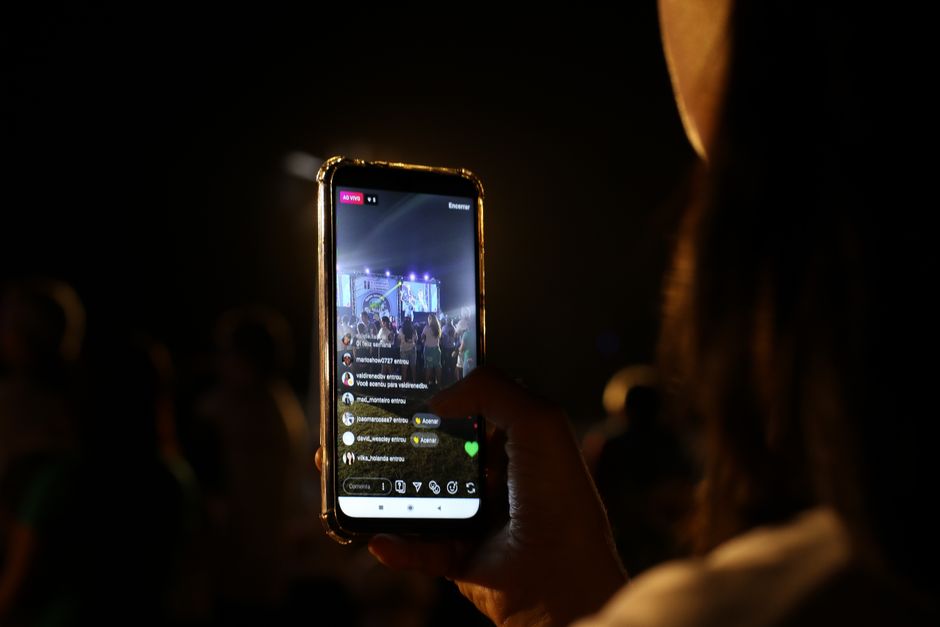
Additionally, competition is fierce. As more players enter the luxury resale space, standing out becomes increasingly difficult. Resellers must leverage marketing strategies and build strong brand identities to attract and retain customers. Social media plays a pivotal role in this; platforms like Instagram offer resellers a powerful tool to showcase their inventory and connect with potential buyers.
The Future of Luxury Reselling
The future of luxury brand reselling appears bright. As more consumers embrace the idea of purchasing secondhand luxury items, the market is poised for continued expansion. Brands are also beginning to recognize the potential benefits of collaborating with resellers to reach new customer segments.
Looking ahead, the integration of technology will likely play a significant role in shaping the resale market. Innovations such as augmented reality (AR) and artificial intelligence (AI) could enhance the shopping experience, allowing consumers to visualize products in their own environments and receive personalized recommendations.
Conclusion
The luxury brand reseller market has carved out a significant niche in the wider retail landscape. With growing consumer interest in sustainability, uniqueness, and value, resellers are well-positioned to thrive in this evolving environment. By understanding consumer motivations and leveraging technology, luxury brand resellers can continue to innovate and cater to the demands of today’s savvy shoppers.