
In an era where renewable energy sources are on the rise, energy storage systems have become a critical component in the transition towards a sustainable future. These systems allow for the efficient capture, storage, and distribution of energy, bridging the gap between energy supply and demand. With advancements in technology and increasing investments, the landscape of energy storage is changing rapidly. This article explores the various types of energy storage systems, their benefits, challenges, and future trends.
Understanding Energy Storage Systems

Energy storage systems (ESS) are technologies that store energy for later use. They play a vital role in stabilizing the grid and ensuring a reliable supply of electricity. ESS can take various forms, including batteries, pumped hydro storage, thermal storage, and compressed air storage. Each system has its unique advantages and applications, making it essential to understand their functionalities and best use cases.
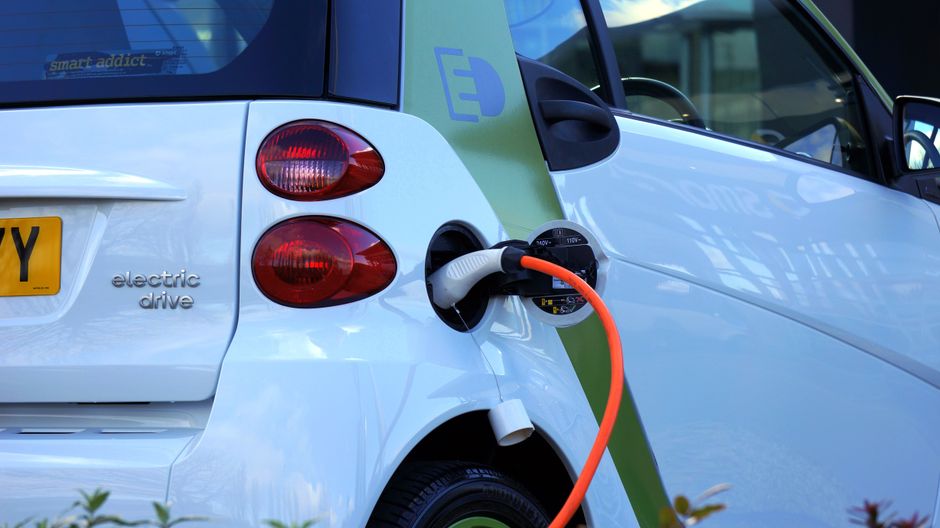
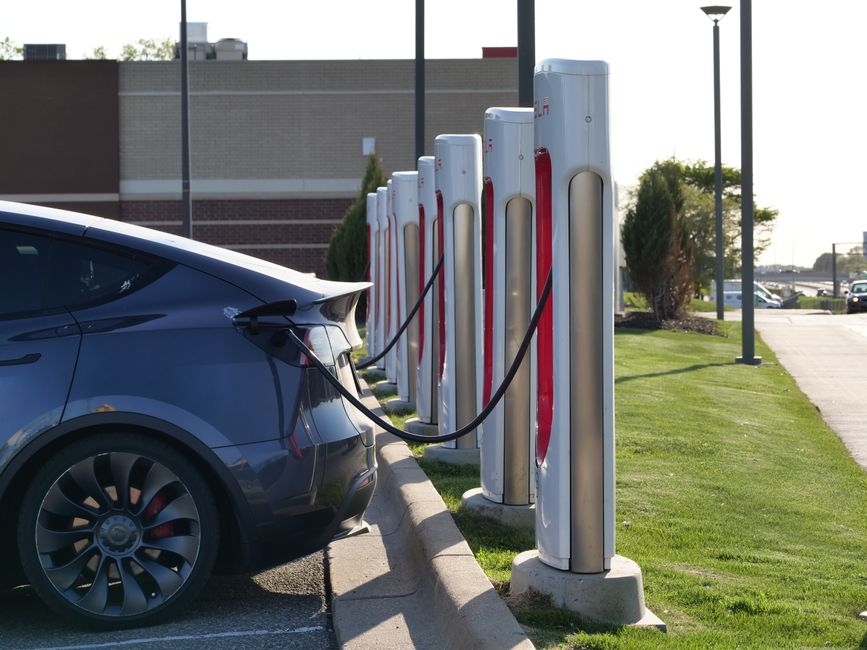
For instance, lithium-ion batteries are widely used due to their high energy density and efficiency. They are commonly found in electric vehicles and portable electronics. On the other hand, pumped hydro storage has been a traditional method for energy storage, utilizing gravitational potential energy to store and release electricity as needed. The selection of an appropriate energy storage system often depends on the specific requirements and constraints of the energy infrastructure.
The Benefits of Energy Storage Systems
One of the primary benefits of energy storage systems is their ability to enhance grid reliability. By storing excess energy generated during peak production times, such as sunny days for solar energy or windy nights for wind energy, these systems can release energy during periods of high demand. This capability not only stabilizes the grid but also reduces reliance on fossil fuels, leading to a decrease in greenhouse gas emissions.
Moreover, energy storage systems can also provide economic advantages. They enable utilities to avoid costly infrastructure upgrades and reduce peak demand charges. For businesses, investing in energy storage can lead to significant operational savings by optimizing energy consumption and managing demand more effectively. In fact, a report from the International Renewable Energy Agency (IRENA) indicates that the global energy storage market could reach $620 billion by 2040, highlighting the growing importance of these systems in modern energy management.
Challenges Facing Energy Storage Systems
Despite the numerous benefits, energy storage systems also face several challenges. One major hurdle is the high initial cost of installation and maintenance. While prices for batteries have been declining, the upfront investment can still be a barrier for many businesses and households. Additionally, there are concerns regarding the sustainability of raw materials used in battery production, particularly lithium and cobalt.
Another challenge is the regulatory framework surrounding energy storage. In many regions, outdated regulations can hinder the integration of these systems into the existing energy market. Policymakers need to develop supportive policies that encourage the adoption of energy storage technologies, fostering innovation and investment in this space.
Technological Innovations in Energy Storage
The energy storage sector is witnessing rapid technological advancements that are enhancing the performance and efficiency of storage systems. For example, researchers are exploring alternative battery chemistries, such as solid-state batteries and flow batteries, which could offer improved safety and energy density compared to traditional lithium-ion batteries.
Moreover, advancements in artificial intelligence and machine learning are being applied to optimize energy storage operations. Smart algorithms can predict energy demand and supply, ensuring that storage systems operate at their highest efficiency. These innovations are paving the way for a more intelligent and responsive energy grid.
The Future of Energy Storage Systems
The future of energy storage systems looks promising, with significant investments being made in research and development. As the world shifts towards renewable energy, the demand for efficient and reliable energy storage will continue to grow. Governments and private sectors are increasingly recognizing the importance of energy storage in achieving energy security and sustainability goals.
In conclusion, energy storage systems are vital for the transition to a more sustainable energy future. They offer numerous benefits, including grid reliability and economic advantages, while also presenting challenges that need to be addressed. With ongoing technological innovations and supportive policies, the energy storage market is poised for significant growth. To learn more about the various types of energy storage systems, visit this link: energy storage system.