
In the digital age, the way we purchase concert tickets has undergone a remarkable transformation. Gone are the days when fans had to stand in long lines or rely on the radio for ticket giveaways. Today, concert ticketing platforms have revolutionized the ticket-buying experience, providing convenience, accessibility, and a range of options for music lovers. This article delves into the evolution of these platforms, the technology behind them, and their impact on the live music industry.
Understanding the Basics of Concert Ticketing Platforms
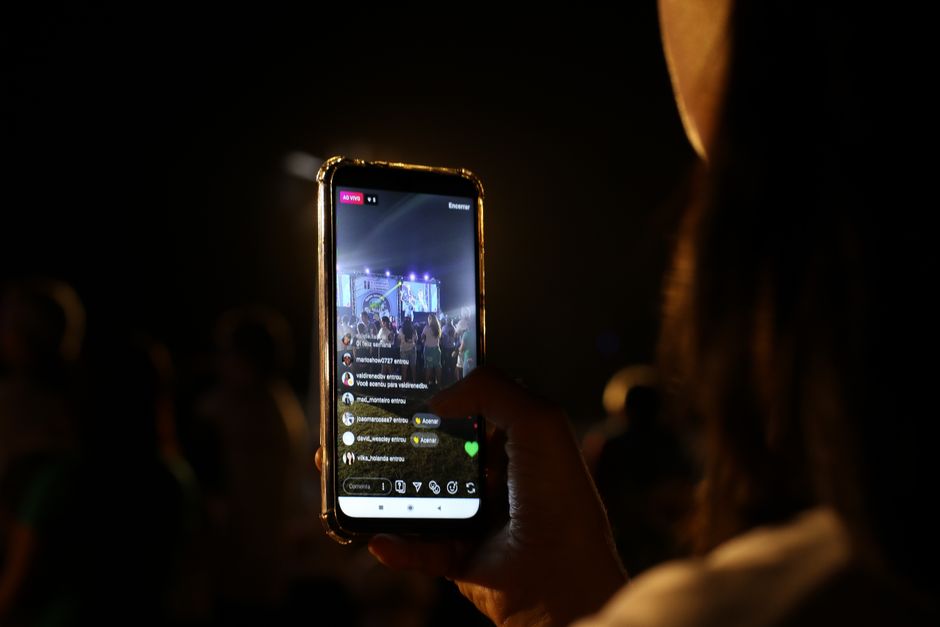
Concert ticketing platforms serve as intermediaries between event organizers and consumers, facilitating the sale of tickets for live performances. These platforms not only provide a marketplace for tickets but also offer various features such as seating charts, pricing options, and event details. The rise of e-commerce has significantly influenced the development of these platforms, making them an essential part of the live entertainment ecosystem.
One of the key benefits of using a concert ticketing platform is the ability to compare prices across different vendors, ensuring that fans get the best deal possible. Additionally, these platforms often offer mobile apps, allowing users to purchase tickets on the go and receive real-time updates about events.
The Technology Behind Ticketing Platforms
Modern concert ticketing platforms are powered by sophisticated technology that enhances the user experience. Advanced algorithms and machine learning systems help to analyze consumer behavior, enabling these platforms to recommend events based on individual preferences. Furthermore, the integration of blockchain technology is beginning to play a role in ticket sales, providing a secure and transparent way to verify ticket authenticity.
Data security is another critical aspect of these platforms. With the rise in cyber threats, ticketing companies are investing heavily in cybersecurity measures to protect consumer data. This not only builds trust with users but also ensures compliance with data protection regulations.
The Impact of COVID-19 on Concert Ticketing
The COVID-19 pandemic has had a profound impact on the concert industry, leading to the cancellation or postponement of numerous events worldwide. As a result, many ticketing platforms had to adapt quickly to changing circumstances. Refund policies were updated, and virtual events became a new norm, prompting platforms to innovate and incorporate features for online concerts.
Moreover, the pandemic highlighted the importance of flexibility in ticketing. Consumers now expect options such as postponement or transferability of tickets, which many platforms have started to offer. This shift emphasizes the need for ticketing companies to be agile and responsive to consumer demands.
Future Trends in Concert Ticketing
As the concert industry begins to recover from the pandemic, several trends are emerging in the ticketing space. One such trend is the increasing use of mobile wallets and contactless payments, which enhance the purchasing experience by providing speed and convenience. Additionally, sustainability is becoming a significant focus, with platforms exploring eco-friendly ticketing options to reduce their carbon footprint.
Furthermore, the rise of social media has transformed how events are marketed, and ticketing platforms are capitalizing on this by integrating social sharing features. This allows users to share their experiences and promote events to their networks, driving ticket sales through word-of-mouth.
Conclusion: The Future of Concert Ticketing Platforms
Concert ticketing platforms have transformed the way fans engage with live music, offering convenience and a variety of options at their fingertips. As technology continues to evolve, these platforms will play a crucial role in shaping the future of the concert experience. The ongoing challenges posed by the pandemic have accelerated innovation within the industry, leading to more flexible and user-friendly services. Ultimately, the success of these platforms will depend on their ability to adapt to changing consumer needs and leverage technology to enhance the overall concert experience.