
Sheet metal fabrication is a critical process in various industries, from automotive to aerospace. Understanding this process can significantly enhance production efficiency and product quality. This article delves into the methods, applications, and benefits of sheet metal fabrication, providing valuable insights for professionals and businesses alike.
Understanding Sheet Metal Fabrication
At its core, sheet metal fabrication involves the transformation of flat sheets of metal into functional parts and structures. This process includes various techniques such as cutting, bending, and assembling. The choice of method often depends on the material properties and the desired final product. For instance, aluminum and steel are among the most commonly used materials due to their favorable characteristics.
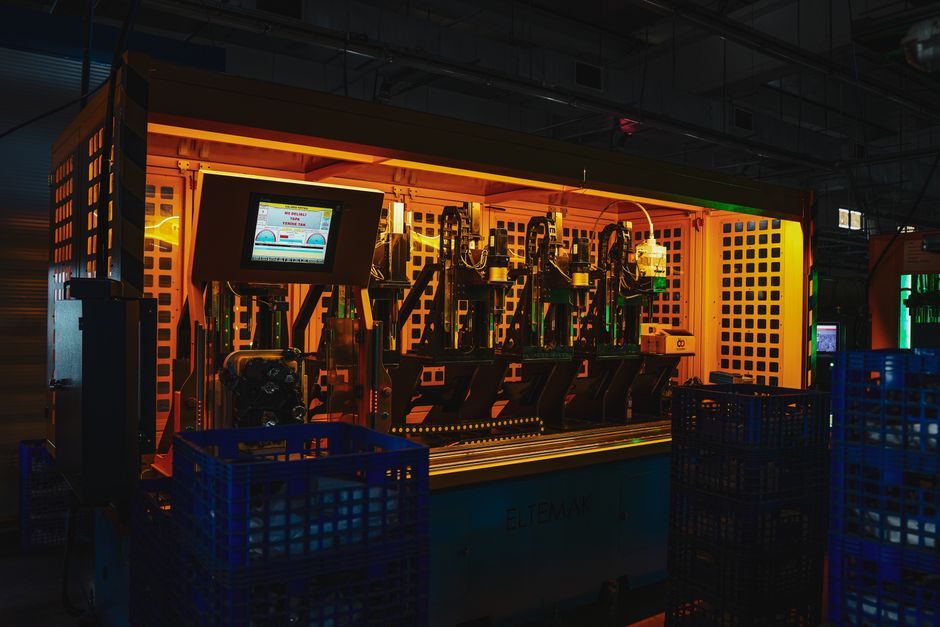
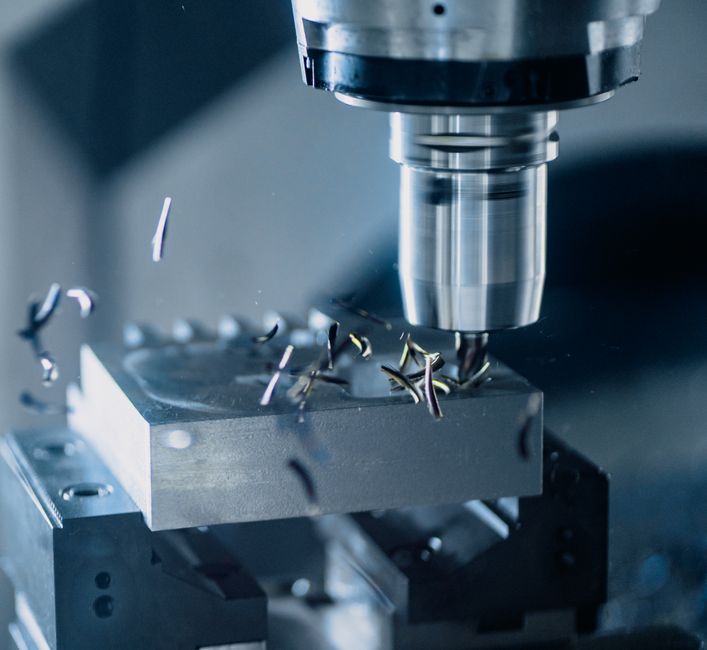
One of the essential aspects of sheet metal fabrication is precision. The accuracy of the processes directly impacts the performance and durability of the final product. With advancements in technology, modern fabrication shops utilize CNC (Computer Numerical Control) machines, which enhance accuracy and reduce human error.
Moreover, the importance of understanding the properties of different metals cannot be overstated. For example, stainless steel offers excellent corrosion resistance, making it suitable for applications in harsh environments. On the other hand, mild steel is more cost-effective and easier to work with, making it a popular choice for many fabrication projects.
Key Techniques in Sheet Metal Fabrication
Several techniques are integral to the sheet metal fabrication process. These include cutting, forming, and welding. Each technique serves a specific purpose and is chosen based on the project requirements.
Cutting can be achieved through various methods, such as laser cutting, plasma cutting, and waterjet cutting. Laser cutting, in particular, is favored for its precision and ability to handle intricate designs. This technique allows for the creation of complex patterns without compromising the integrity of the material.
Forming processes like bending and stamping are equally crucial. Bending is typically performed using press brakes, which apply force to change the shape of the metal sheet. Stamping, on the other hand, involves creating shapes by pressing a die onto the metal sheet, which is ideal for high-volume production.
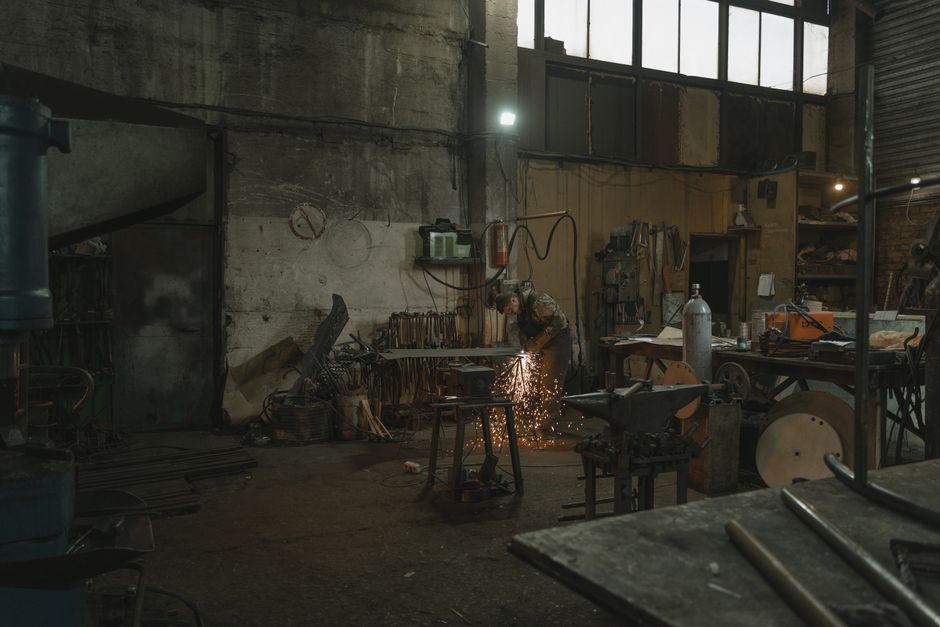
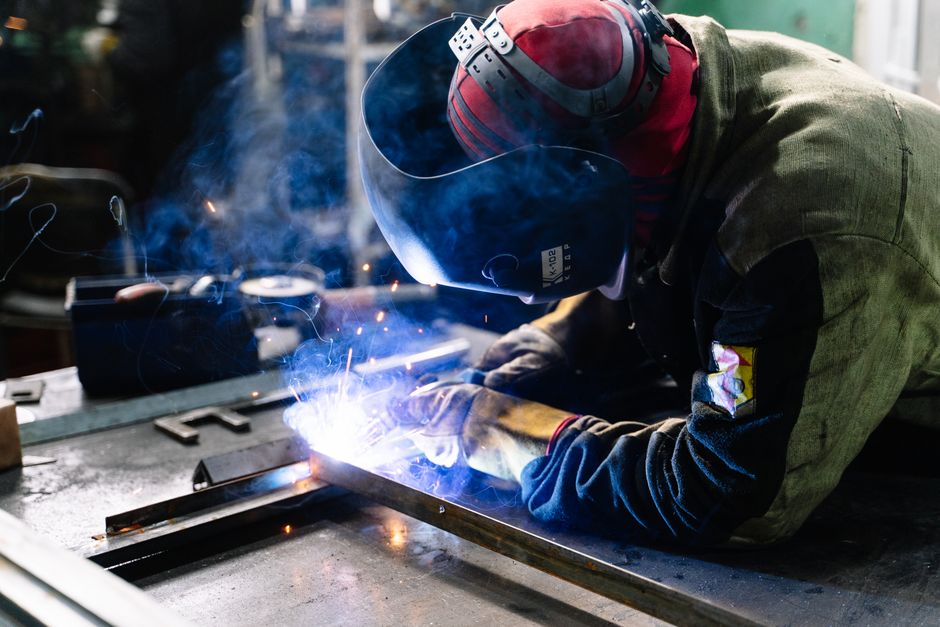
Welding is an essential part of the assembly process, where different metal pieces are joined together. Techniques such as MIG (Metal Inert Gas) and TIG (Tungsten Inert Gas) welding are commonly used, allowing for strong and durable joints.
Applications of Sheet Metal Fabrication
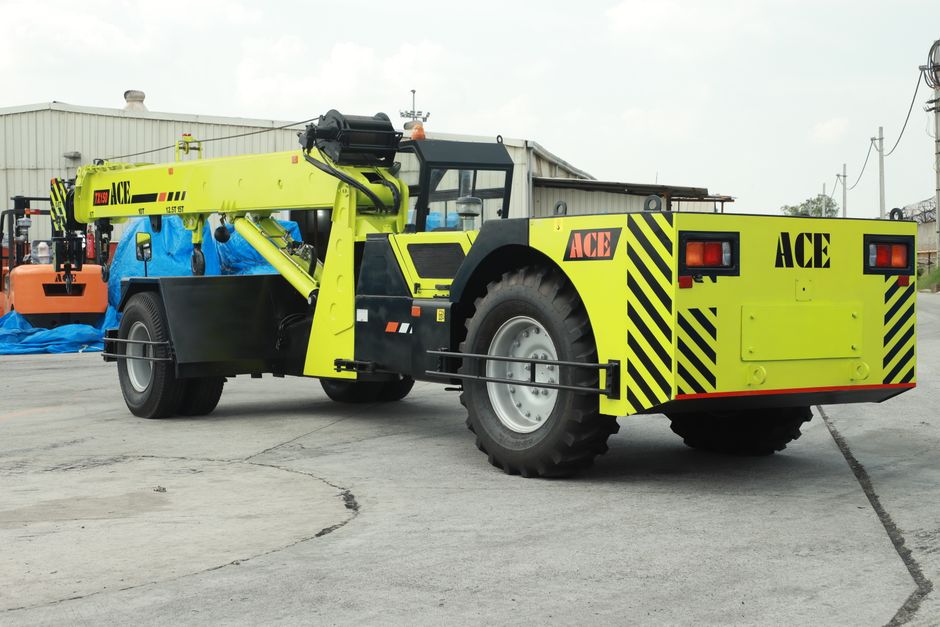
The applications of sheet metal fabrication are vast and varied. Industries such as automotive, aerospace, construction, and electronics heavily rely on this process. In the automotive industry, for instance, sheet metal parts are used for chassis, body panels, and other structural components.
In aerospace, the need for lightweight yet strong materials makes sheet metal fabrication indispensable. Aircraft components are often made from aluminum sheets that are fabricated to meet strict safety and performance standards. According to industry statistics, approximately 75% of an aircraft’s weight is made up of metal, highlighting the significance of effective sheet metal fabrication.
Moreover, in the construction industry, sheet metal is used for roofing, siding, and ductwork. These applications not only enhance the aesthetics of buildings but also improve energy efficiency. Fabricated metal components can contribute to better insulation and airflow, leading to reduced energy costs.
The Future of Sheet Metal Fabrication
As technology continues to advance, the future of sheet metal fabrication looks promising. Innovations such as automation and robotics are transforming the industry, leading to increased efficiency and reduced operational costs. Automated systems can perform repetitive tasks with high precision, allowing human workers to focus on more complex duties.
Furthermore, the integration of software solutions for design and manufacturing processes facilitates better communication and collaboration among teams. This synergy can lead to faster project completion times and improved product quality.
Another trend to watch is the growing emphasis on sustainability. As businesses strive to reduce their environmental impact, the demand for eco-friendly materials and processes is on the rise. This shift is encouraging manufacturers to explore new materials and recycling methods, ensuring a more sustainable approach to sheet metal fabrication.
To summarize, the realm of sheet metal fabrication is complex yet essential across various industries. Understanding the techniques, applications, and future trends can empower businesses to leverage the benefits of this crucial manufacturing process.
Conclusion
Sheet metal fabrication is a foundational process that underpins many industries. Its versatility and adaptability make it an invaluable asset in modern manufacturing. By staying informed about the latest techniques and technologies, businesses can enhance their production capabilities and remain competitive in their respective markets. As we move forward, the continuous evolution of this field will undoubtedly lead to even more innovative applications and improvements in efficiency.