
In recent years, 3D printing has revolutionized manufacturing and design across various industries. From healthcare to aerospace, the benefits of this technology are becoming increasingly evident. The ability to create complex structures quickly and cost-effectively is not just a dream anymore; it’s a reality that many businesses are leveraging. This article explores the diverse applications, advantages, and future of 3D printing services.
Understanding 3D Printing Technology
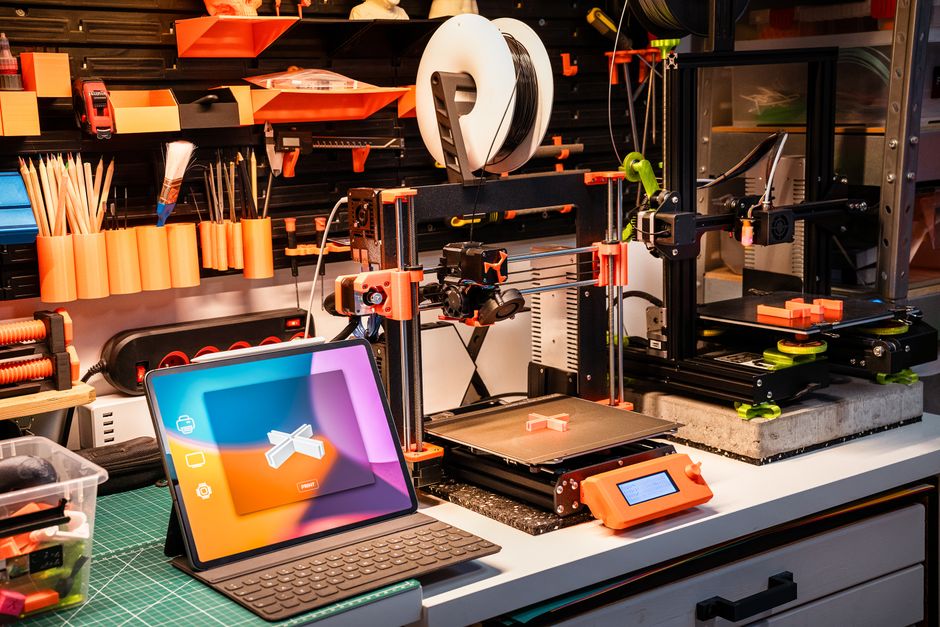
3D printing, also known as additive manufacturing, involves creating three-dimensional objects layer by layer from a digital model. This innovative process contrasts with traditional subtractive manufacturing methods, where material is removed to create a part. The technology utilizes various materials, including plastics, metals, and even biological materials, making it versatile for numerous applications.
At its core, 3D printing relies on Computer-Aided Design (CAD) software to create a digital blueprint. Once designed, the 3D printer reads the file and begins to build the object by adding material in layers. This process allows for unparalleled customization and complexity in design, which is particularly beneficial in industries where precision is paramount.
As businesses continue to discover the advantages of 3D printing, the demand for 3D printing services has surged. Companies can now produce prototypes faster, reduce waste, and even create on-demand products tailored to customer specifications.
The Diverse Applications of 3D Printing
One of the most compelling aspects of 3D printing is its wide range of applications. In the healthcare sector, for instance, 3D printing is used to produce custom prosthetics and dental implants. According to a report by Wohlers Associates, the medical sector is expected to be one of the largest markets for 3D printing, with growth projected to reach $5.4 billion by 2025.
In the aerospace industry, companies like Boeing and Airbus are utilizing 3D printing to create lightweight components that improve fuel efficiency. For example, Boeing has reported significant weight reductions in parts produced through additive manufacturing, contributing to lower operational costs.
Additionally, the automotive industry is embracing 3D printing for rapid prototyping and production of complex parts. Car manufacturers, such as Ford and BMW, are integrating 3D printed components into their production lines, resulting in faster turnaround times and reduced costs.
Cost Efficiency and Sustainability
One of the most significant advantages of 3D printing is its cost-effectiveness. Traditional manufacturing often involves high tooling costs and significant material waste. In contrast, 3D printing minimizes waste by using only the necessary material to create the object, making it an environmentally friendly option.
Moreover, the ability to produce items on-demand means that companies can reduce inventory costs. This just-in-time manufacturing approach allows businesses to respond quickly to market demands without the burden of excess stock.
According to a study by the National Institute of Standards and Technology, 3D printing can reduce production costs by up to 70% in certain applications. This reduction in costs is a game-changer for startups and small businesses looking to innovate without the heavy financial burden.
The Future of 3D Printing Services
The future of 3D printing services looks bright, with continuous advancements in technology. Innovations such as multi-material printing and bioprinting are pushing the boundaries of what is possible. For instance, researchers are exploring ways to 3D print human tissues and organs, which could revolutionize transplant medicine.
Furthermore, as materials science progresses, the range of materials available for 3D printing is expanding. New materials, including composites and even food-grade materials, are being developed, paving the way for new industries to adopt this technology.
As more companies recognize the potential of 3D printing, the market for 3D printing services is expected to grow exponentially. According to a report by Grand View Research, the global 3D printing market is projected to reach $62.79 billion by 2028, expanding at a compound annual growth rate (CAGR) of 21%. This growth indicates a robust future for businesses that leverage 3D printing.
Conclusion
In conclusion, 3D printing services are transforming industries by offering innovative solutions that enhance efficiency, reduce costs, and promote sustainability. As technology continues to evolve, the potential applications are limitless. Businesses that embrace this technology will not only gain a competitive edge but also contribute to a more sustainable future. Understanding and utilizing 3D printing can redefine the way products are designed, manufactured, and delivered.