
In recent years, the landscape of manufacturing has dramatically changed due to advancements in technology and the increasing demand for efficiency. Industrial automation has become a crucial component in this evolution, enabling companies to streamline their processes and reduce operational costs. As a result, the role of industrial automation suppliers has become more significant than ever, providing essential tools and solutions that drive productivity and innovation.
Understanding Industrial Automation
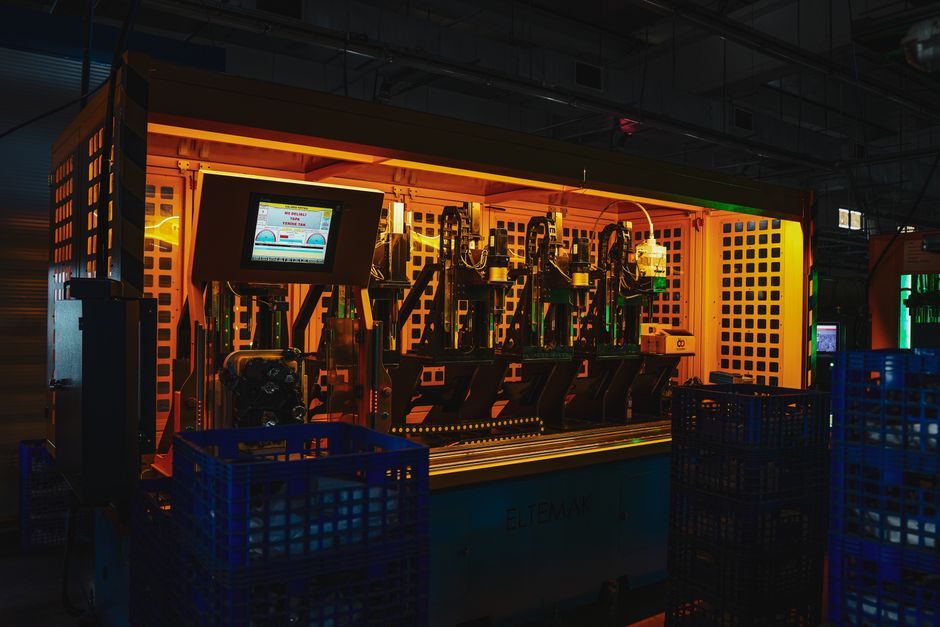
Industrial automation refers to the use of control systems, such as computers or robots, to handle different processes and machinery in an industry to replace human intervention. This technology plays a pivotal role in enhancing production efficiency, improving product quality, and ensuring safety in manufacturing environments. The adoption of automation has been facilitated by various technological advancements, including robotics, artificial intelligence, and the Internet of Things (IoT).
According to a report by McKinsey, companies that implement automation can achieve productivity gains of 20% to 30%. This substantial improvement is driven by the ability of automated systems to operate continuously, minimize errors, and optimize resource utilization.
The Role of Industrial Automation Suppliers
Industrial automation suppliers provide a wide range of products and services that cater to the needs of manufacturers looking to automate their processes. These suppliers offer everything from sensors and controllers to complete automation solutions that integrate various components into a cohesive system. Their expertise helps businesses identify the right solutions that meet their specific operational needs.
For instance, a leading industrial automation supplier may provide customized solutions that include programmable logic controllers (PLCs), human-machine interfaces (HMIs), and software for monitoring and control. This level of customization ensures that manufacturers can achieve optimal performance and efficiency tailored to their operations.
Benefits of Partnering with Automation Suppliers
One of the primary benefits of partnering with industrial automation suppliers is access to cutting-edge technology. Suppliers continually innovate and upgrade their offerings, allowing manufacturers to leverage the latest advancements. This not only enhances performance but also enables businesses to stay competitive in a rapidly evolving marketplace.
Moreover, automation suppliers often provide extensive support and training services. This support is crucial for manufacturers during the implementation phase and beyond, ensuring that staff are well-equipped to operate and maintain automated systems effectively. According to a survey by the International Federation of Robotics, companies that received training from their automation suppliers reported a 25% increase in productivity within the first year of implementation.
Industry Trends Shaping Automation Supply
The industrial automation sector is continually evolving, driven by emerging trends such as the rise of Industry 4.0. This paradigm shift emphasizes the interconnectivity of machines and systems, which allows for greater data collection and analysis. As a result, suppliers are increasingly focusing on providing solutions that facilitate smart manufacturing.
Another trend is the growing emphasis on sustainability. Many industrial automation suppliers are now developing eco-friendly solutions that reduce energy consumption and minimize waste. This shift is not only beneficial for the environment but also helps companies reduce costs and enhance their corporate social responsibility.
Choosing the Right Industrial Automation Supplier
Selecting the right industrial automation supplier can significantly impact a company’s success in its automation journey. Factors to consider include the supplier’s experience, range of products, and customer service track record. It’s essential to choose a supplier that understands the specific needs of your industry and can offer tailored solutions.
Furthermore, companies should evaluate the supplier’s ability to provide ongoing support and maintenance. A reliable supplier will not only deliver the necessary equipment but also ensure that the systems are functioning optimally throughout their lifecycle. Regular maintenance and timely upgrades are critical to maximizing the return on investment in automation technology.
Conclusion
The role of industrial automation suppliers is becoming increasingly vital in the modern manufacturing landscape. As companies strive for greater efficiency and competitiveness, the demand for innovative automation solutions continues to grow. By partnering with the right suppliers, manufacturers can harness the power of automation to enhance productivity, reduce costs, and drive sustainable growth in their operations.