
As drones have become increasingly popular across various industries, the demand for certified drone pilots is on the rise. Whether you’re looking to start a career in aerial photography, agriculture, or emergency services, obtaining a drone pilot certification can set you on the right path. This guide will walk you through the certification process, its benefits, and what you need to know to succeed in this dynamic field.
Understanding Drone Pilot Certification
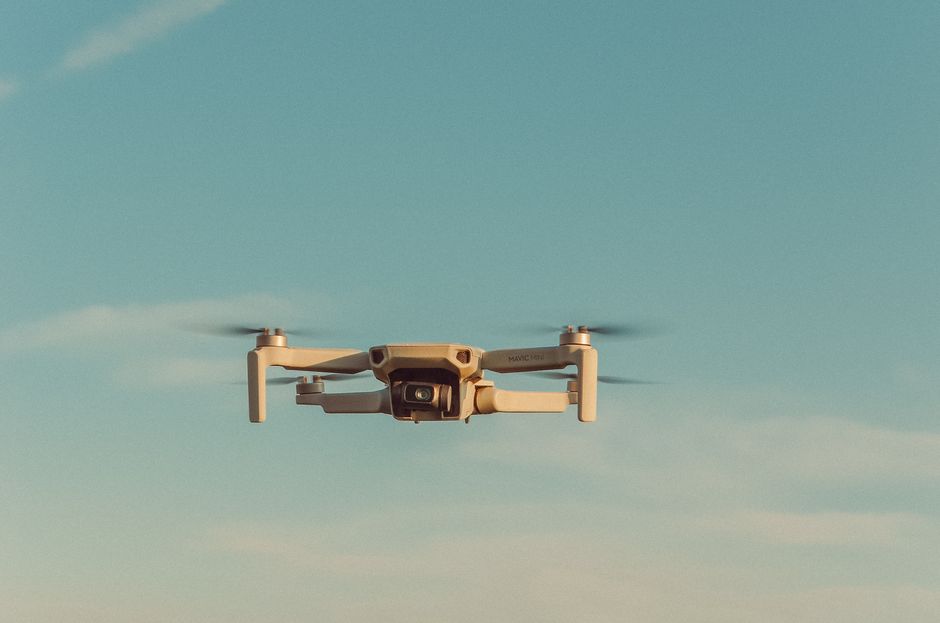
Drone pilot certification is a formal recognition that an individual has met the necessary standards and regulations to operate a drone safely and effectively. In many countries, including the United States and those governed by the European Union Aviation Safety Agency (EASA), certification processes are essential to ensure safety in the airspace. The certification typically involves a combination of written exams, practical flight tests, and knowledge of airspace regulations.
In the United States, for instance, the Federal Aviation Administration (FAA) requires commercial drone pilots to obtain a Remote Pilot Certificate. This involves passing the FAA’s Aeronautical Knowledge Test, which covers topics such as aviation weather, drone operations, and airspace classifications.
The Importance of Certification
Obtaining a drone pilot certification is not just a legal requirement in many regions; it also offers several advantages. Firstly, certification enhances your credibility as a pilot. Clients and employers are more likely to trust certified professionals, especially in sectors where safety is paramount, such as construction or search and rescue missions.
Moreover, a certified drone pilot often has access to more opportunities. Many commercial projects, insurance claims, and government contracts require proof of certification before hiring a pilot. This means that certified pilots can command higher rates and secure more lucrative contracts.
Steps to Obtain Your Certification
The path to becoming a certified drone pilot may vary depending on the regulations in your country. Here are the general steps you should follow:
- Research the Requirements: Understand the specific requirements in your region. This includes age limits, medical evaluations, and any paperwork that needs to be completed.
- Study for the Exam: Most certification processes require passing a knowledge-based exam. Resources like online courses, textbooks, and practice tests can be invaluable.
- Practice Flying: Hands-on experience is crucial. Engage in practice sessions to become familiar with your drone and to hone your flying skills.
- Pass the Exam: Schedule and take your exam. Ensure you have all necessary materials and documents ready for submission.
- Complete Additional Training: Some regions require additional training or flight hours before you can begin operating commercially.
Challenges and Considerations
While pursuing your drone pilot certification can be rewarding, there are challenges to be aware of. The regulatory landscape is constantly evolving, and keeping up with changes can be daunting. Additionally, the initial investment in training and equipment may be significant, which could deter some aspiring pilots.
Furthermore, as the drone industry grows, competition for jobs may increase. It’s crucial to continuously improve your skills and stay updated on industry trends to remain competitive in the market.
Future Trends in Drone Operations
The future of drone operations looks promising, with emerging technologies and applications expanding the scope of what certified drone pilots can do. Innovations such as delivery drones, agricultural drones equipped with AI, and drones used in emergency response are just a few examples of how this industry is evolving.
As regulations adapt to these advancements, the need for certified drone pilots will likely continue to rise. Staying informed about new technologies and seeking additional certifications or training can give you an edge in this rapidly changing field.
Conclusion
In conclusion, obtaining a drone pilot certification is a significant step for anyone looking to establish a career in this exciting industry. With the right preparation, training, and commitment, you can enhance your professional prospects and contribute to the growing field of drone operations. Embrace the challenges, stay updated with regulations, and continuously seek to improve your skills to thrive as a certified drone pilot.