
Aviation insurance is a specialized form of coverage that offers protection for aircraft and the liabilities associated with aviation operations. As the aviation industry continues to grow, understanding the nuances of aviation insurance becomes increasingly important for aviation professionals, fleet owners, and operators. This article will delve into the various aspects of aviation insurance, its significance, and how it operates within the industry.
What is Aviation Insurance?
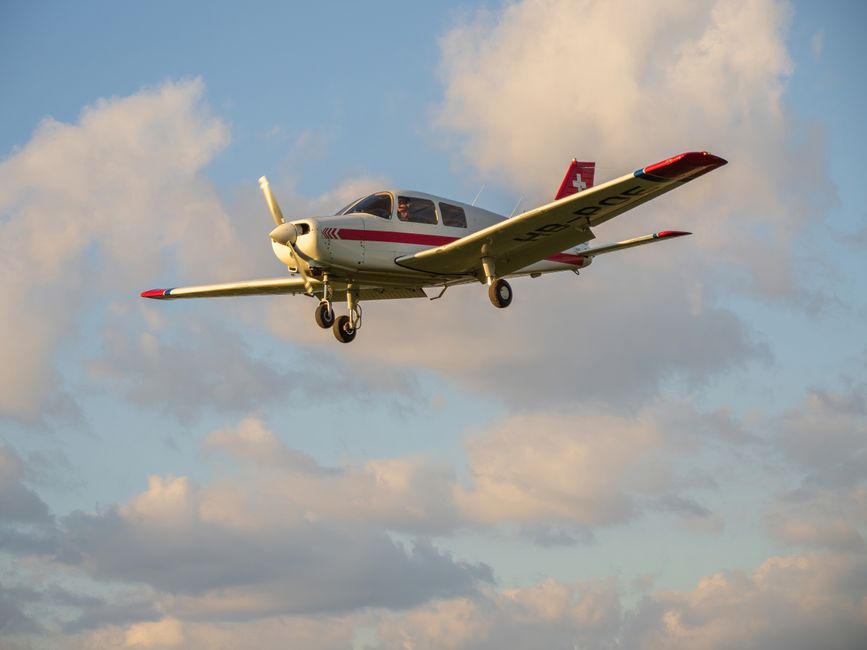
Aviation insurance encompasses a range of policies designed to cover risks related to aircraft operations. This type of insurance can include coverage for physical damage to aircraft, liability for injuries to passengers and third parties, and additional protections for ground operations. Unlike traditional auto or property insurance, aviation insurance is tailored to meet the unique requirements of the industry.
The primary components of aviation insurance include hull insurance, liability insurance, and passenger liability insurance. Hull insurance covers physical damage to the aircraft itself, while liability insurance protects against claims arising from bodily injury and property damage caused by the aircraft’s operation. Passenger liability insurance is essential for safeguarding against injuries sustained by passengers during a flight.
The Importance of Aviation Insurance
The significance of aviation insurance cannot be overstated. With the increasing number of private jets, commercial airlines, and cargo carriers, the potential for accidents and incidents is ever-present. Aviation insurance not only provides financial support in the event of an accident but also ensures compliance with regulatory requirements. In many jurisdictions, having adequate aviation insurance is a legal prerequisite for operating an aircraft.
Moreover, aviation insurance instills confidence among stakeholders, including investors, passengers, and crew members. Knowing that an aircraft and its operations are adequately insured can enhance a company’s reputation and trustworthiness. This is particularly important in an industry where safety is paramount.
Types of Aviation Insurance Policies
There are several types of aviation insurance policies tailored to specific needs within the industry. These include:
- Commercial Aviation Insurance: This is designed for airlines and commercial operators, covering everything from liability to hull damage.
- General Aviation Insurance: Targeted at private pilots and aircraft owners, this policy covers smaller aircraft and provides liability protection.
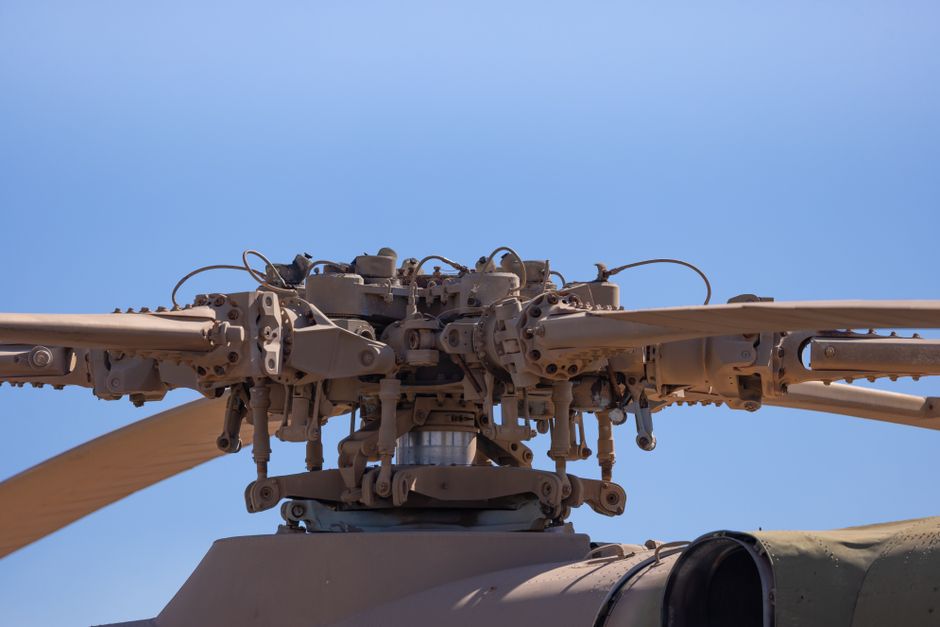
- Helicopter Insurance: Given the unique risks associated with rotary-wing aircraft, specialized coverage is necessary to address these specific challenges.
- War and Terrorism Insurance: This policy provides coverage against risks related to acts of war and terrorism, a growing concern in today’s global landscape.
Each type of policy has its own coverage limits, exclusions, and requirements, making it crucial for operators to assess their specific needs and choose the right policy accordingly.
Factors Affecting Aviation Insurance Costs
The cost of aviation insurance can vary significantly based on several factors. Key considerations include:
- Type of Aircraft: The make, model, and age of the aircraft play a significant role in determining premiums. Newer, more advanced aircraft may command higher insurance costs due to their value.
- Operational Use: The purpose of the aircraft, whether for commercial, private, or training use, can influence insurance rates. Commercial operations often face higher premiums due to increased risk.
- Pilot Experience: The qualifications and experience of the pilot also impact insurance costs. Pilots with more hours and certifications may receive better rates.
- Claims History: A history of claims can lead to higher premiums, as insurers assess risk based on past incidents.
Understanding these factors can help aviation professionals make informed decisions when purchasing insurance and managing costs effectively.
How to Choose the Right Aviation Insurance Provider
Choosing the right aviation insurance provider is critical for ensuring adequate coverage and support during claims. Here are some tips for selecting an insurer:
- Research Insurers: Investigate different providers, reviewing their reputation, financial stability, and customer service track record.
- Compare Policies: Look for policies that offer the coverage you need without unnecessary add-ons that may inflate costs.
- Seek Expert Advice: Consulting with aviation insurance brokers can provide valuable insights into the best coverage options and help navigate the complexities of aviation insurance.
- Read Reviews: Customer reviews and testimonials can offer insights into an insurer’s reliability and claims handling process.
Taking the time to evaluate providers can lead to better coverage and peace of mind in the long run.
Conclusion
Aviation insurance plays a crucial role in the safety and financial security of operators in the aviation industry. With various types of policies available and numerous factors influencing costs, it is essential for aviation professionals to thoroughly understand their insurance needs. By carefully selecting the right coverage and provider, aircraft owners and operators can protect their investments and ensure compliance with legal requirements. As the aviation industry continues to evolve, staying informed about aviation insurance will remain a key component of successful operations.
For those looking to delve deeper into aviation insurance options, consider exploring resources that provide comprehensive breakdowns of coverage types and their benefits. One such resource is aviation insurance, which offers valuable insights and options tailored to the industry’s needs.