
In today’s increasingly digital world, security remains a paramount concern for organizations of all sizes. Access control systems serve as the backbone for securing physical and digital spaces, ensuring that only authorized personnel can access sensitive areas or information. This article delves into the intricacies of access control systems, exploring their types, components, best practices, and future trends.
Types of Access Control Systems
Access control systems can be broadly categorized into three main types: discretionary access control (DAC), mandatory access control (MAC), and role-based access control (RBAC). Each type serves different organizational needs and security requirements. Discretionary access control allows owners of resources to make decisions on who is allowed to access specific data or areas. This flexibility can be beneficial but may pose risks if not managed properly.
Mandatory access control, on the other hand, enforces strict policies set by a central authority, making it suitable for environments that require high security, such as military installations. Finally, role-based access control assigns permissions based on the user’s role within the organization, making it efficient for managing large numbers of users while maintaining security protocols.
Understanding these types is crucial for organizations looking to implement or upgrade their access control system, as the choice can significantly impact security and usability.
Key Components of Access Control Systems
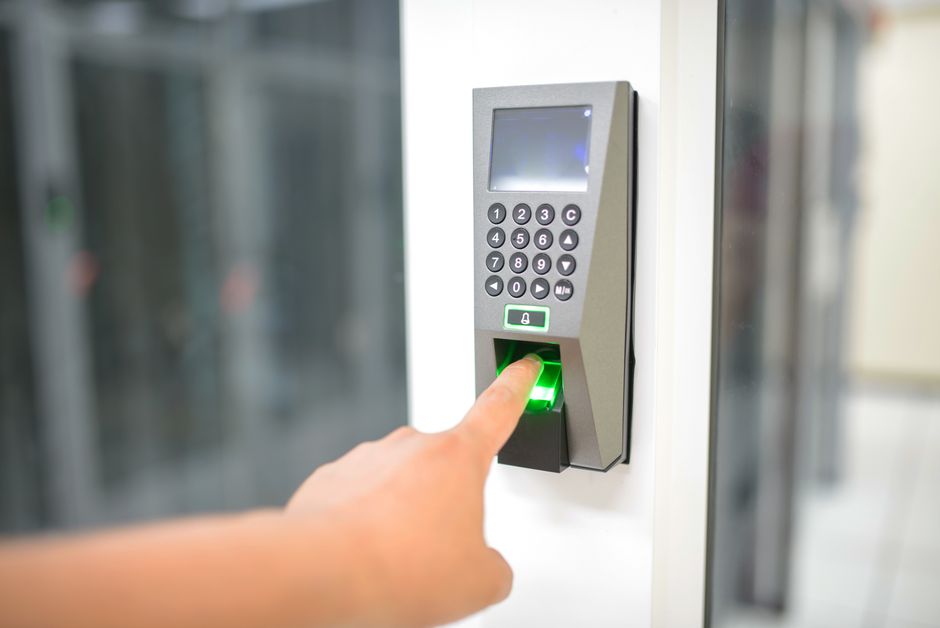
Access control systems consist of several key components that work together to provide security. These include authentication methods, access control policies, and physical barriers. Authentication methods can range from traditional passwords and PINs to advanced biometric systems like fingerprint scanners and facial recognition technology.
Access control policies dictate who has access to what resources and under which conditions. These policies should be regularly reviewed and updated to reflect any changes in personnel or security needs. Physical barriers, such as locks, gates, and security personnel, complement these systems by providing a tangible means of restricting access to authorized individuals.
Best Practices for Implementing Access Control
Implementing an effective access control system requires careful planning and adherence to best practices. Organizations should start by conducting a thorough risk assessment to identify potential vulnerabilities and determine the necessary level of security for different areas and information. Based on this assessment, tailored access control policies can be developed.
Regular training and awareness programs for employees are also essential. Ensuring that staff understand the importance of security protocols can help prevent breaches caused by human error. Additionally, organizations should consider integrating their access control systems with other security measures, such as surveillance cameras and alarm systems, to create a comprehensive security strategy.
The Future of Access Control Systems
The future of access control systems is poised for innovation, driven by advancements in technology. Emerging trends such as cloud-based access control solutions and AI-driven analytics are enhancing the capabilities of these systems. Cloud-based solutions offer flexibility and scalability, allowing organizations to manage access from anywhere with an internet connection.
Furthermore, AI and machine learning can provide insights into access patterns, helping organizations to identify potential security threats before they become critical issues. As cyber threats continue to evolve, the integration of cybersecurity measures within access control systems will become increasingly important, ensuring that both physical and digital assets are protected.
Conclusion
In conclusion, access control systems are vital for maintaining security in today’s complex environments. By understanding the different types of systems, their key components, and best practices for implementation, organizations can enhance their security posture. As technology continues to advance, staying informed about new trends will be crucial for adapting and improving access control measures. Investing in a robust access control system today can safeguard an organization’s future and protect its most valuable assets.