
In the rapidly evolving world of construction, the significance of MEP (Mechanical, Electrical, and Plumbing) engineering companies cannot be overstated. These firms play a crucial role in ensuring that buildings are designed, constructed, and maintained efficiently, safely, and sustainably. As technology advances and the demand for energy-efficient solutions grows, understanding the scope and impact of MEP engineering becomes essential for stakeholders in the construction industry.
What is MEP Engineering?

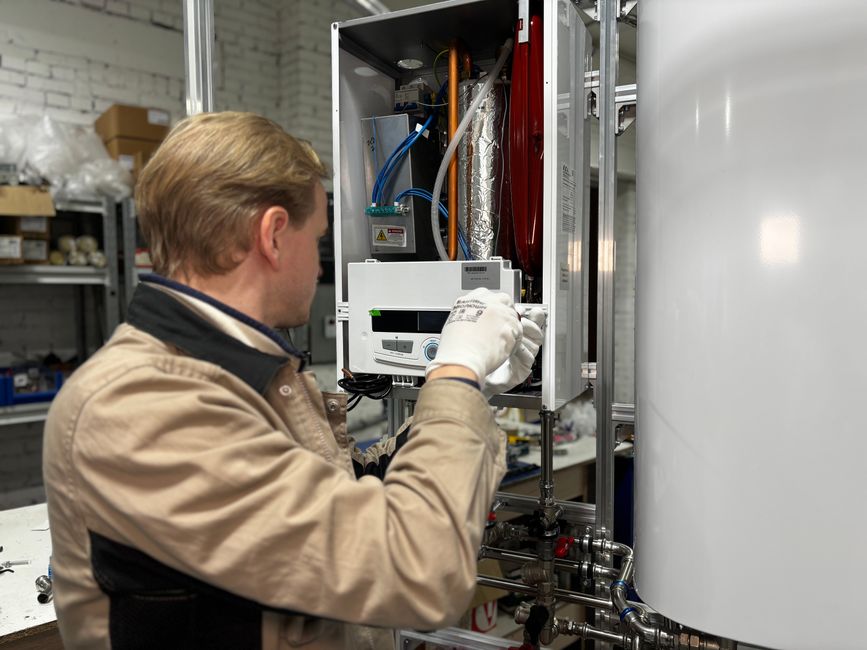
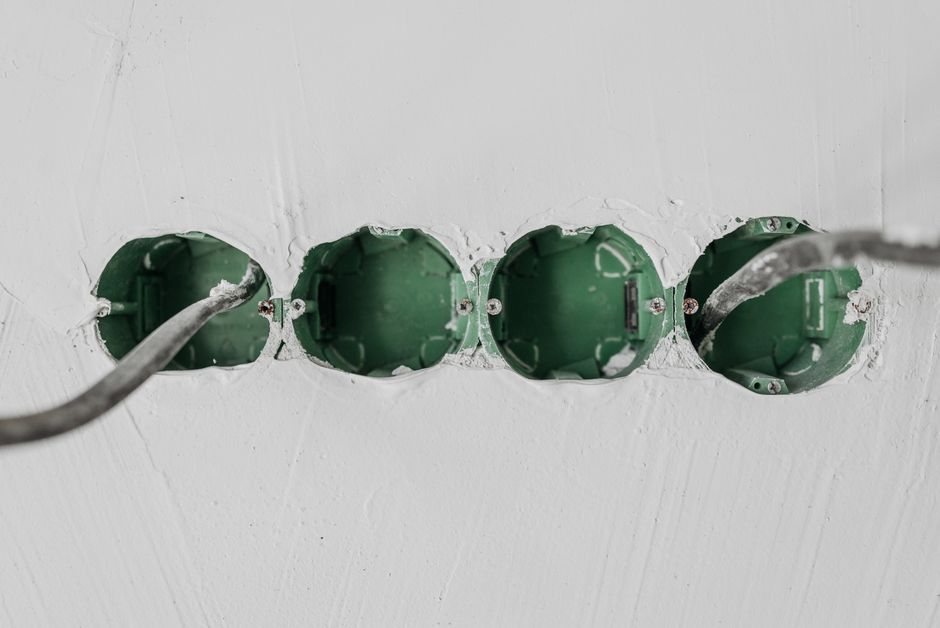
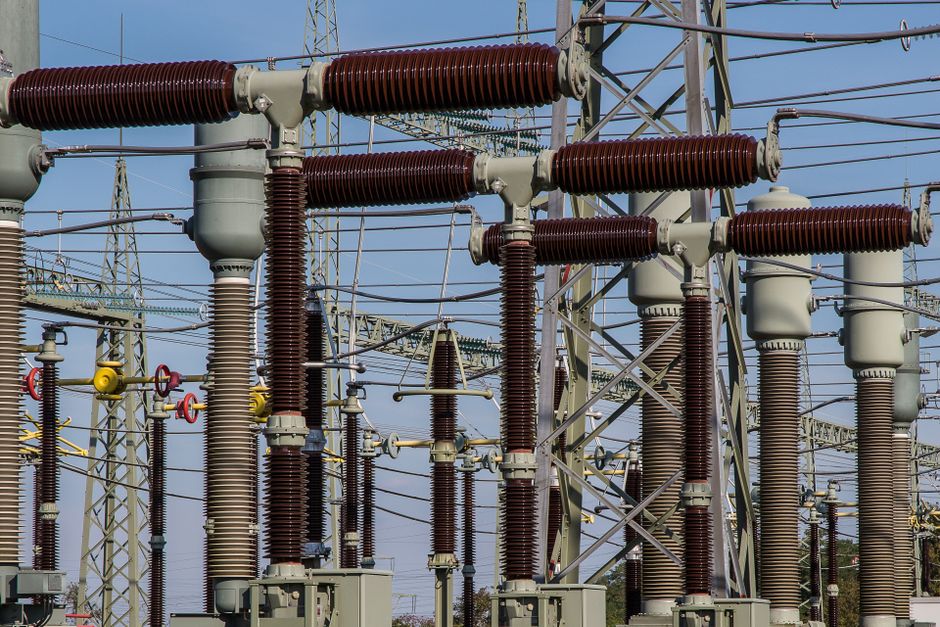
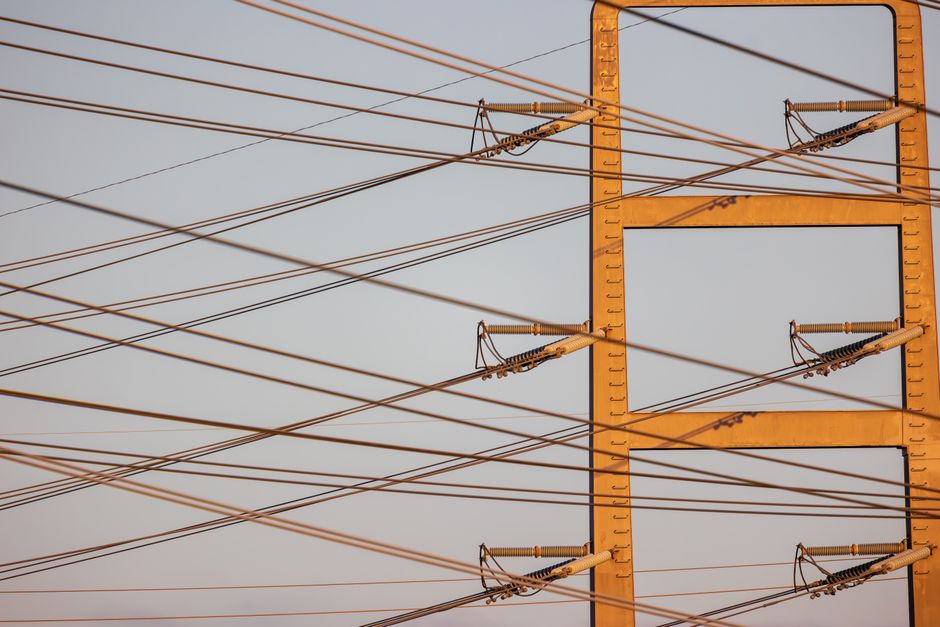
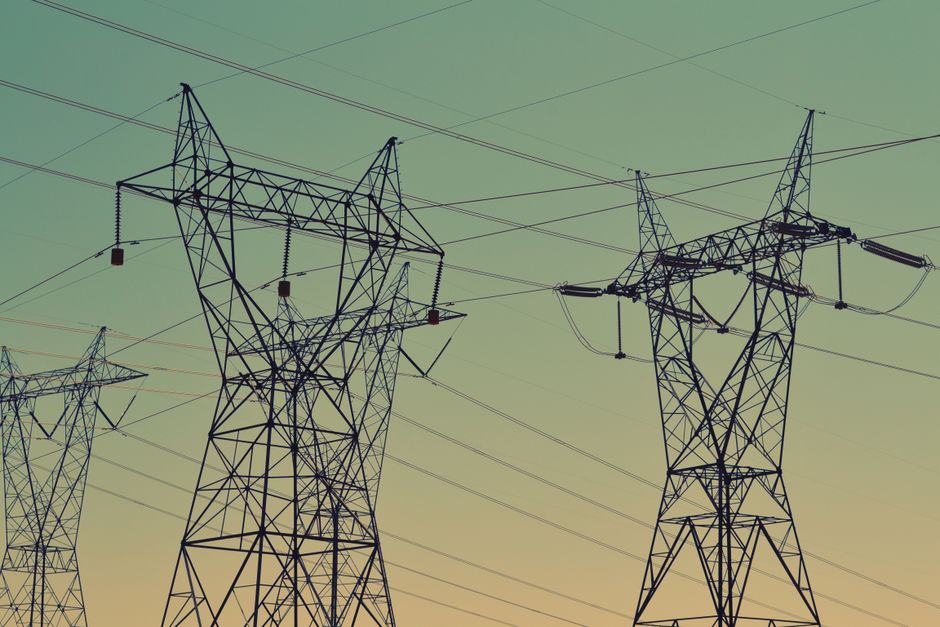
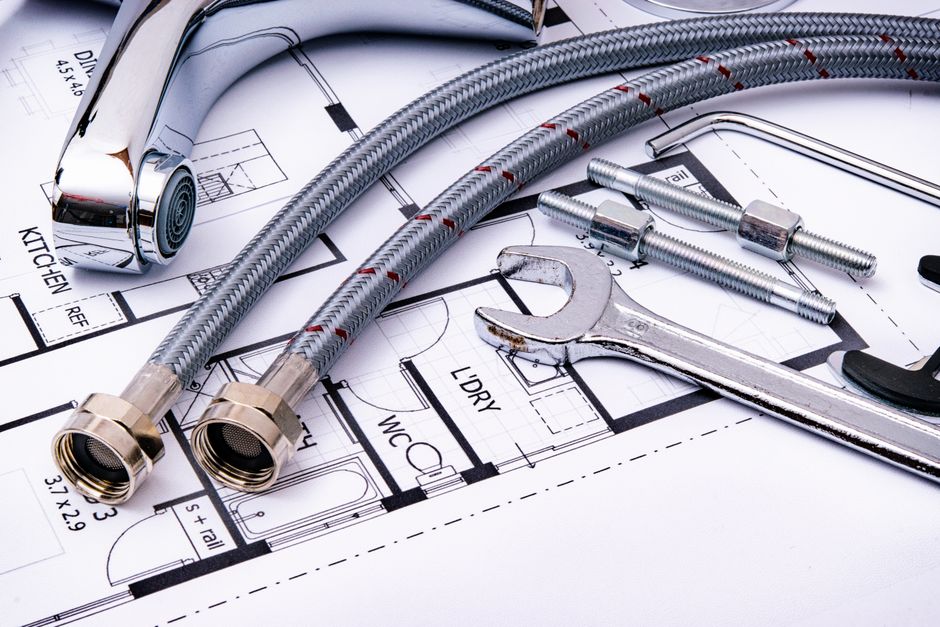
MEP engineering encompasses the design and management of the mechanical, electrical, and plumbing systems in a building. This specialization is essential for creating functional and comfortable indoor environments. Mechanical systems include heating, ventilation, and air conditioning (HVAC), while electrical systems involve lighting, power distribution, and communication networks. Plumbing covers water supply, drainage, and waste management. Each of these components must work harmoniously to ensure that a building operates effectively.
For instance, an MEP engineering company will not only design the HVAC system to maintain comfortable temperatures but also ensure that the electrical systems can support the necessary energy demands. This comprehensive approach minimizes operational issues and enhances the overall efficiency of the building.
The Importance of Energy Efficiency
Energy efficiency has become a top priority in the construction industry. MEP engineering companies are at the forefront of this shift, as they integrate sustainable practices into their designs. By utilizing advanced technologies and innovative materials, these firms help reduce energy consumption and lower utility costs for building owners.
According to the U.S. Department of Energy, buildings account for nearly 40% of total energy consumption in the nation. This statistic highlights the critical need for energy-efficient designs. MEP engineers can implement energy-saving measures, such as smart lighting systems, energy-efficient HVAC units, and water-saving plumbing fixtures. By doing so, they not only help reduce the carbon footprint of buildings but also contribute to long-term savings for owners.
Compliance with Building Codes and Regulations
One of the primary responsibilities of MEP engineering companies is to ensure that all systems comply with local building codes and regulations. These codes are designed to protect public safety, health, and welfare. MEP engineers must stay updated on the latest codes and standards, which can vary significantly by location.
Failure to comply with these regulations can lead to costly penalties, project delays, and even safety hazards. Therefore, employing a reputable MEP engineering company is essential for navigating these complexities. Their expertise ensures that all systems are designed and installed according to the latest requirements, mitigating risks and enhancing safety.
The Role of Technology in MEP Engineering
Technology continues to revolutionize the construction industry, and MEP engineering is no exception. The use of Building Information Modeling (BIM) allows for more accurate and efficient designs. BIM provides a 3D representation of the building, enabling MEP engineers to visualize and plan systems before construction begins.
This proactive approach helps identify potential issues early in the design process, reducing the likelihood of costly changes during construction. Additionally, advancements in smart building technologies are allowing MEP engineers to create systems that not only meet current needs but are also adaptable to future demands.
Choosing the Right MEP Engineering Company
Selecting the right MEP engineering company is critical to the success of a construction project. Factors to consider include the company’s experience, reputation, and ability to innovate. It is essential to choose a firm that understands the specific requirements of your project and can deliver tailored solutions.
Furthermore, effective communication between the MEP engineers and other stakeholders, such as architects and construction managers, is vital for ensuring cohesive project execution. A collaborative approach fosters innovation and problem-solving, ultimately leading to better project outcomes.
Conclusion
In conclusion, MEP engineering companies play an indispensable role in modern construction, offering expertise in mechanical, electrical, and plumbing systems. Their focus on energy efficiency, compliance with regulations, and integration of advanced technologies significantly impacts the success and sustainability of construction projects. As the industry continues to evolve, the demand for skilled MEP engineers will only grow, making their contributions to the built environment more crucial than ever.