
Restaurant interior design plays a crucial role in shaping the dining experience. It is not merely about aesthetics; it involves creating a space that reflects the restaurant’s brand, enhances customer comfort, and promotes efficiency in service. In today’s competitive market, understanding the nuances of interior design can be the difference between a thriving establishment and one that struggles to attract patrons.
Understanding the Basics of Restaurant Interior Design
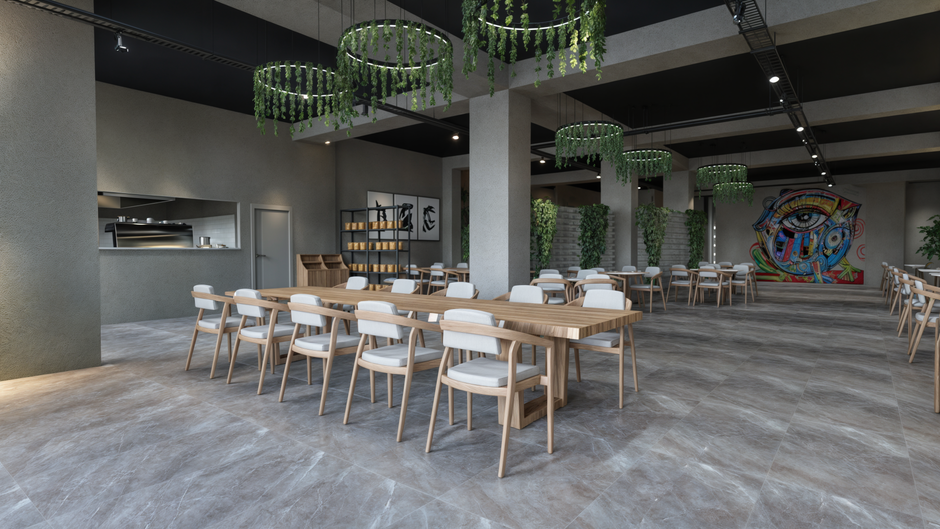
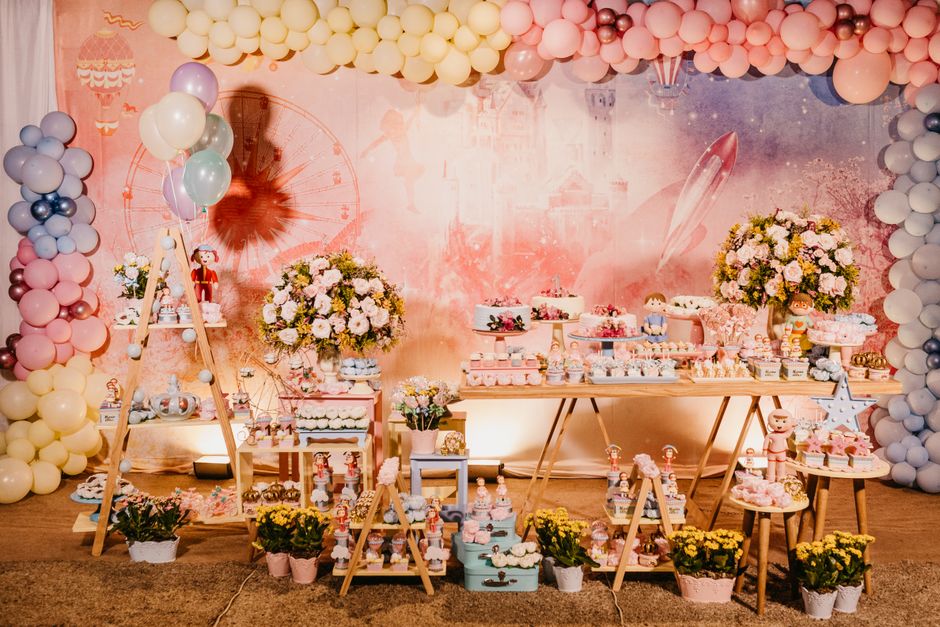
At its core, restaurant interior design encompasses various elements that contribute to the overall atmosphere. From the choice of colors and materials to the layout and furniture, every detail matters. A well-designed restaurant should convey a specific theme or concept that resonates with its target audience. For instance, a fine dining restaurant might opt for elegant furnishings and subdued lighting, while a casual eatery could choose vibrant colors and playful decor.
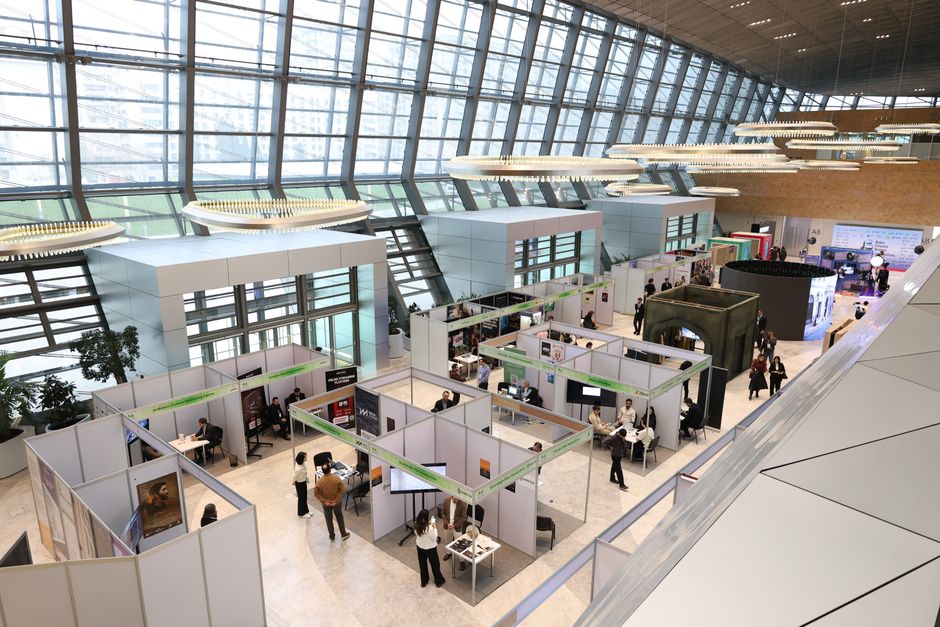
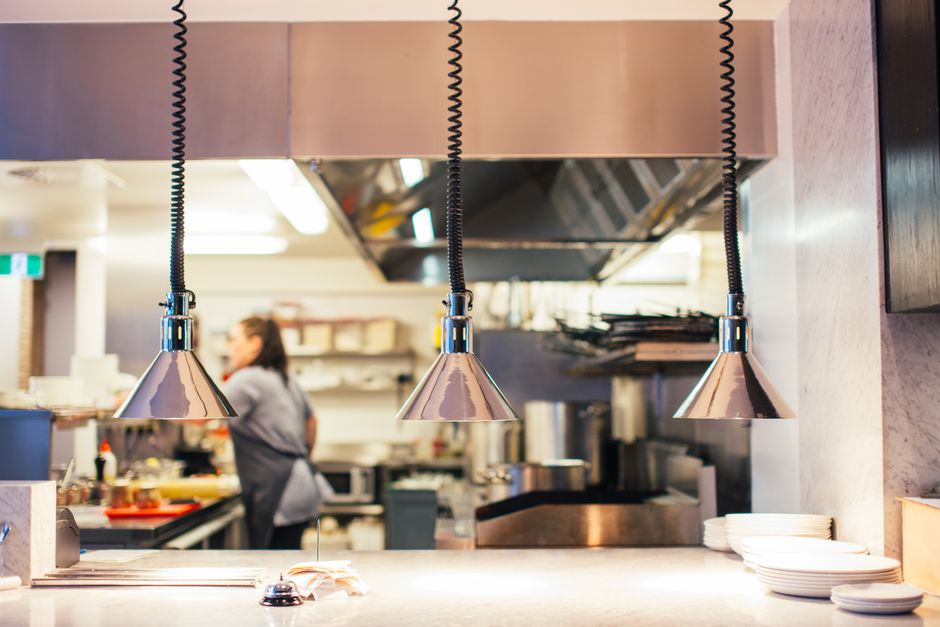
Moreover, the layout of the space is vital in facilitating smooth operations. A thoughtful design ensures that the flow of customers and staff is seamless, enhancing the overall dining experience. The placement of tables, the bar, and the kitchen all need careful consideration to optimize both functionality and ambiance.
Creating a Unique Atmosphere
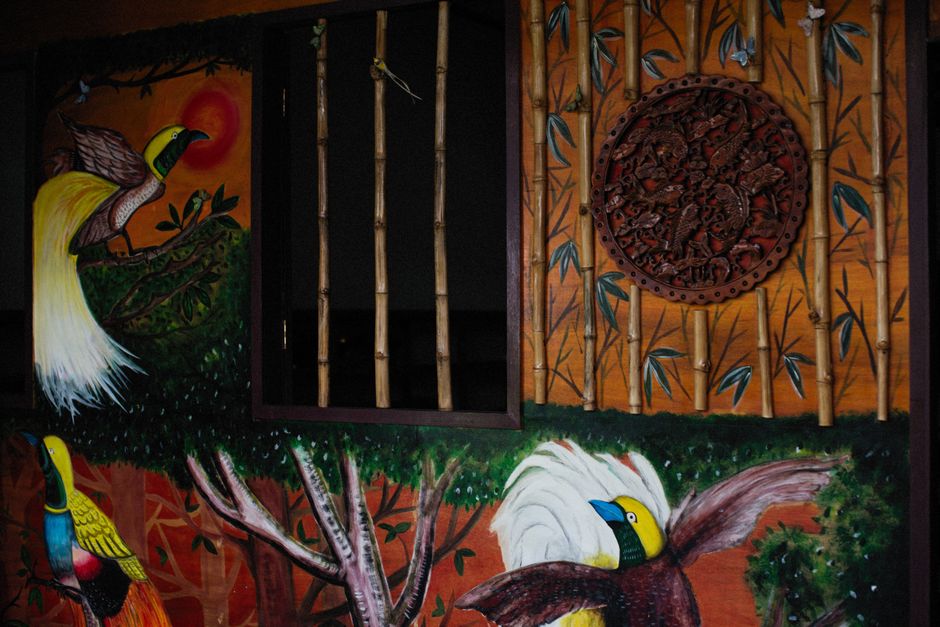
One of the primary goals of restaurant interior design is to create a unique atmosphere that sets the establishment apart. This can be achieved through various design elements, including furniture selection, lighting, and wall decor. For example, incorporating local artwork can give a restaurant a sense of place and community, making it more appealing to diners.
Additionally, lighting plays a crucial role in establishing mood. Dim lighting can create an intimate setting, ideal for romantic dinners, while bright, cheerful lighting can enhance the experience in a family-friendly cafe. The right balance of natural and artificial light also contributes to the overall aesthetic and comfort of the space.
Incorporating Sustainable Practices
In recent years, sustainability has become a significant trend in restaurant interior design. Many establishments are opting for eco-friendly materials and practices to appeal to environmentally conscious consumers. This includes using reclaimed wood for furniture, energy-efficient lighting, and sustainable fabrics for upholstery.
Moreover, incorporating plants and greenery can enhance air quality and contribute to a calming atmosphere. Research indicates that biophilic design can improve customer satisfaction and increase the time spent in a restaurant, leading to higher sales. A well-planned interior that embraces sustainability not only attracts customers but also reflects positively on the brand’s image.
The Importance of Branding in Design
Branding is an essential aspect of restaurant interior design. The design elements should align with the restaurant’s overall brand identity, from the logo to the menu design. For instance, a modern restaurant may incorporate sleek lines and minimalistic decor to reflect its contemporary branding, while a rustic eatery might focus on warm tones and vintage decor.
Furthermore, the story behind the brand can be communicated through design elements. For example, a restaurant that emphasizes local ingredients might showcase its sourcing story through decor that highlights local farms or producers. This not only enhances the customer experience but also builds a connection between the diner and the restaurant.
Case Studies: Successful Restaurant Designs
Examining successful case studies can provide valuable insights into effective restaurant interior design. Notable examples include restaurants that have successfully integrated their themes into every aspect of design, from the menu to the decor.
For instance, a seafood restaurant might feature nautical themes with blue and white color schemes, marine-inspired artwork, and textured materials that evoke the ocean. Such thoughtful design choices can create a cohesive and memorable experience for diners.
Additionally, restaurants like Noma in Copenhagen have revolutionized the dining experience not only through their menus but also through their interior design. The use of natural materials, open spaces, and an emphasis on the surrounding environment creates a unique atmosphere that complements the culinary experience. These successful examples illustrate how effective design can enhance customer satisfaction and brand loyalty.
Conclusion: The Future of Restaurant Interior Design
As the restaurant industry continues to evolve, so too will the trends in interior design. The focus will likely shift towards more personalized and immersive experiences that cater to the changing preferences of diners. Aspects such as technology integration, multi-functional spaces, and enhanced outdoor dining will play significant roles in future designs.
Ultimately, the goal of restaurant interior design remains the same: to create spaces that not only attract customers but also keep them coming back. By understanding the principles of design, incorporating unique elements, and staying aligned with branding, restaurateurs can create environments that leave lasting impressions.
For those looking to explore the world of restaurant interior design, the possibilities are endless, and the potential for creativity is boundless.