
In the competitive world of dining, the ambiance can make or break a restaurant’s success. The design of a restaurant’s interior is not merely about aesthetics; it is a strategic element that influences customer experience, brand perception, and ultimately, profitability. In this article, we will explore the essential components of restaurant interior design, the latest trends, and practical tips for creating an inviting space that resonates with customers.
Understanding the Importance of Interior Design
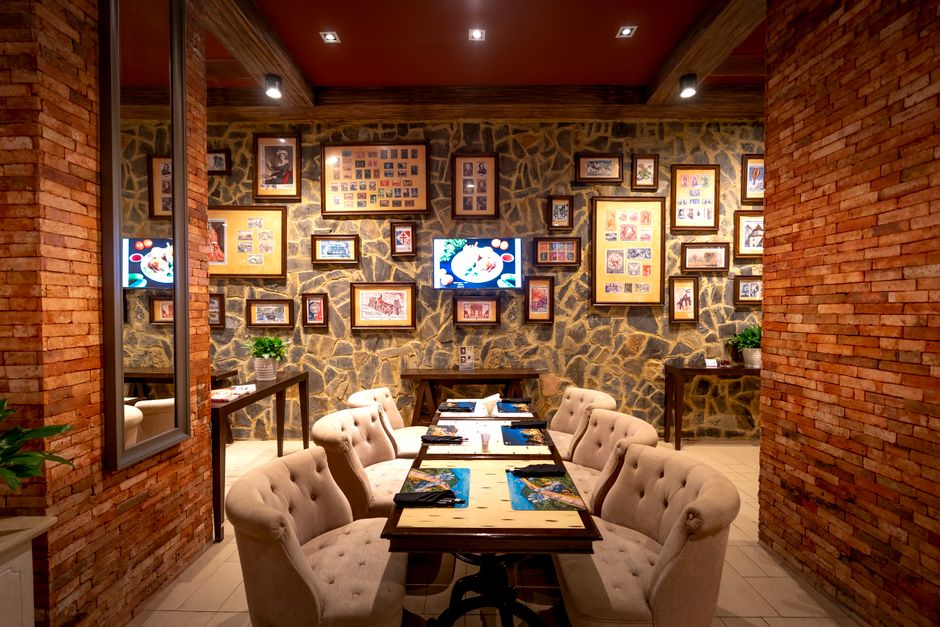
The interior design of a restaurant serves multiple purposes. First and foremost, it sets the mood and tone for the dining experience. Whether it’s a cozy bistro or a modern steakhouse, the decor communicates the restaurant’s concept and values. Additionally, well-thought-out interior design can enhance customer comfort, facilitating longer visits and higher spending.
Statistics show that 60% of diners consider the ambiance as an important factor in their dining experience. A visually appealing environment not only attracts customers but also encourages them to return. This is where restaurant interior design comes into play, as it plays a pivotal role in creating memorable dining experiences.
Key Elements of Restaurant Interior Design
Several critical elements contribute to effective restaurant interior design. These include:
- Layout: The floor plan should facilitate smooth traffic flow for both customers and staff. A well-structured layout can enhance service efficiency and customer satisfaction.
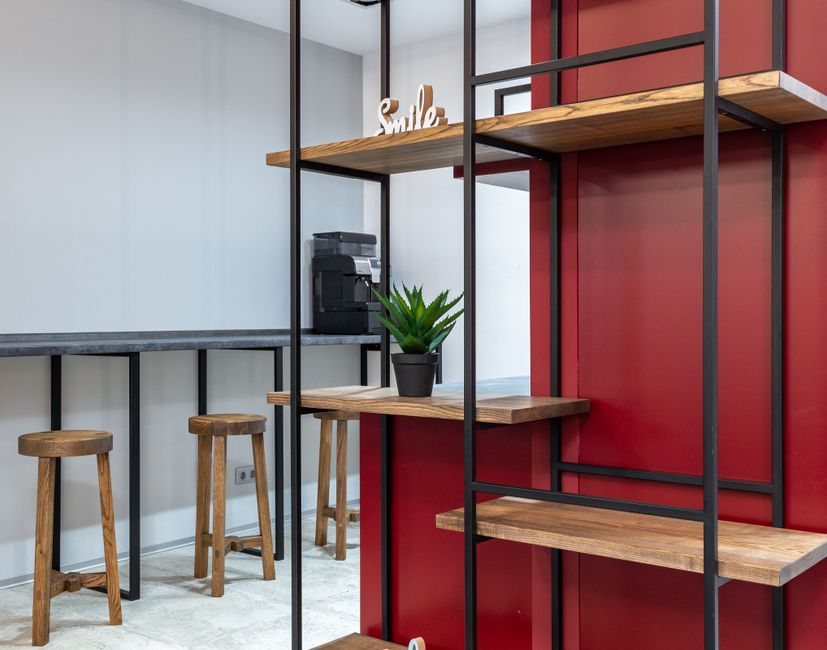
- Color Scheme: Colors evoke emotions and set the atmosphere. Warm tones may create a cozy environment, while cool tones can offer a more modern feel.
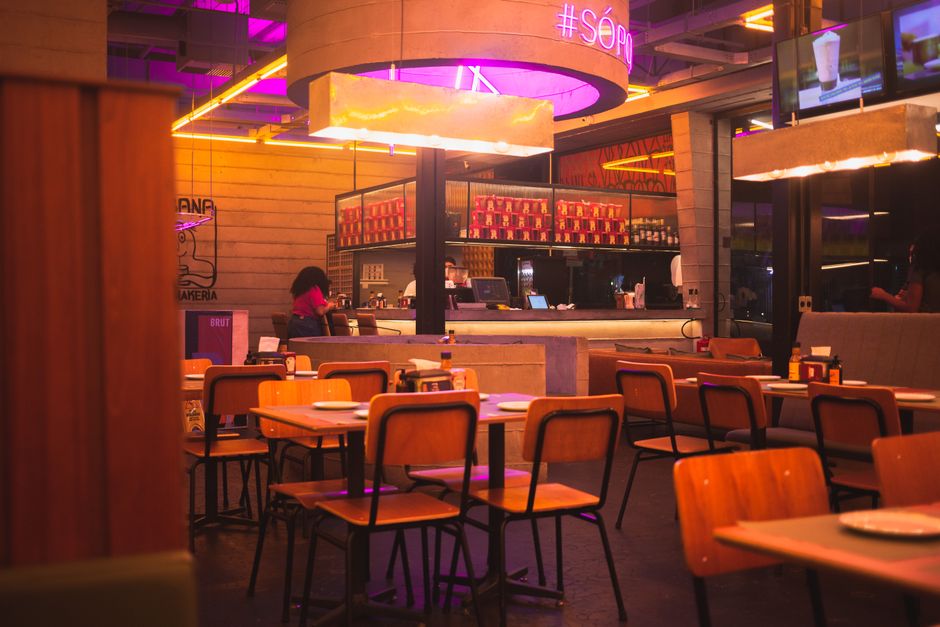
- Lighting: The right lighting can dramatically alter the mood of a space. Natural light is ideal for casual dining, while dim lighting may suit fine dining establishments.
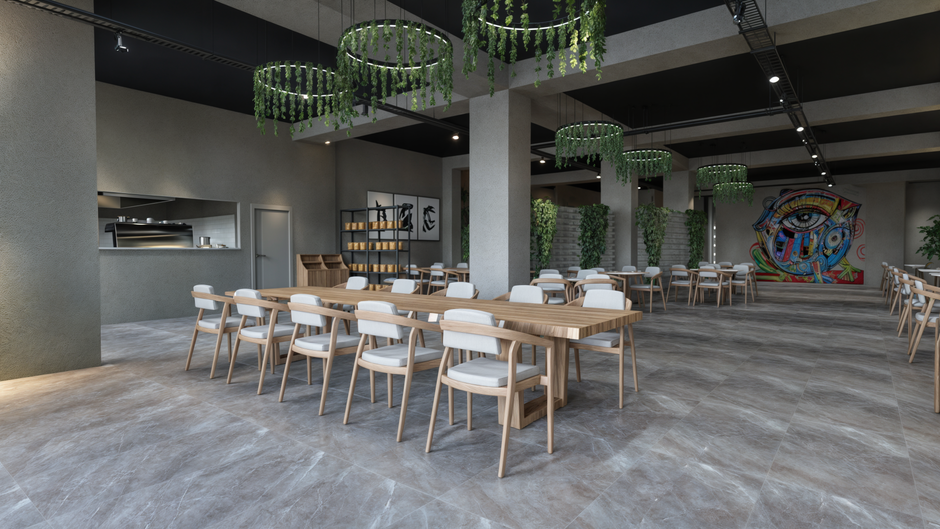
For instance, a restaurant that specializes in organic food might benefit from earthy tones and natural materials, creating an authentic connection to its offerings.
Current Trends in Restaurant Interior Design
As consumer preferences evolve, so do design trends. Currently, several trends are shaping the restaurant interior design landscape:
- Sustainable Design: Eco-friendly materials and sustainable practices are becoming increasingly popular. Restaurants are incorporating recycled materials and energy-efficient lighting to appeal to environmentally conscious diners.
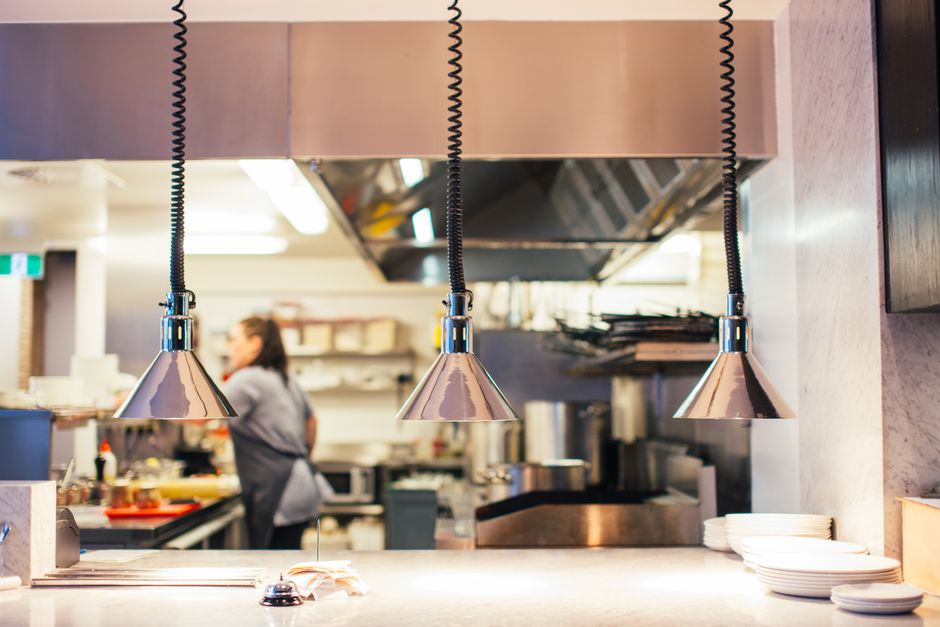
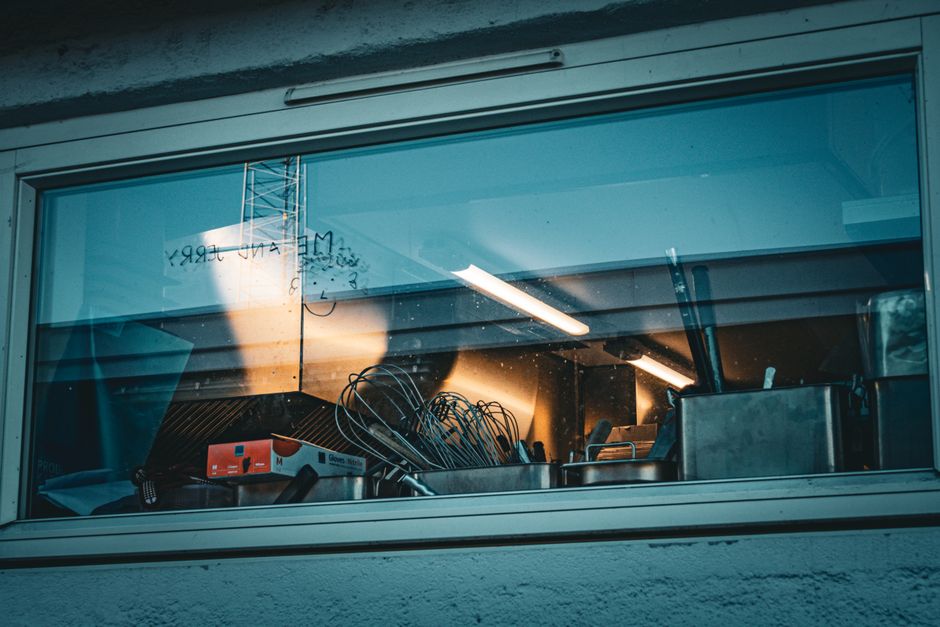
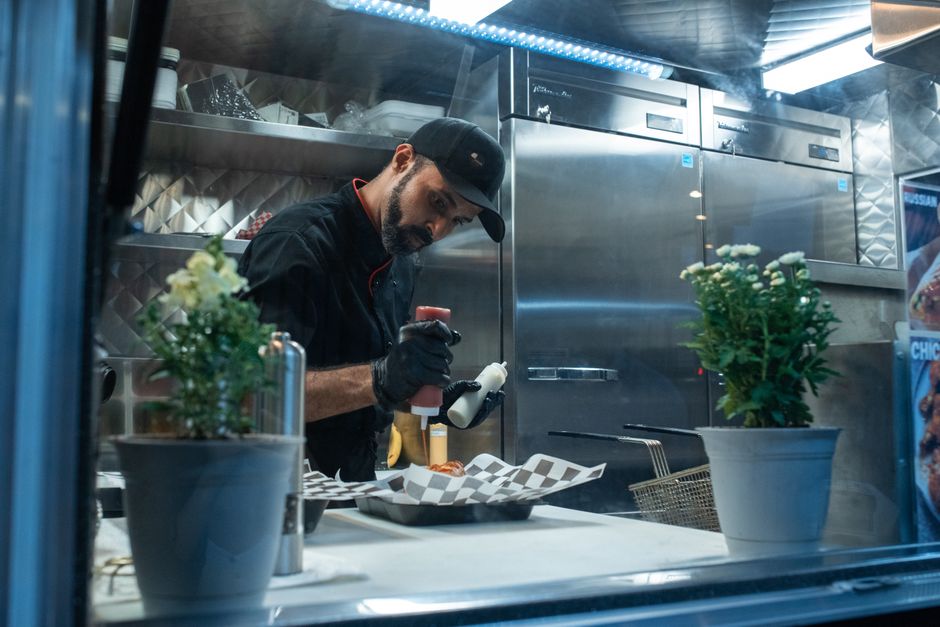
- Open Kitchens: Many establishments are opting for open kitchen designs, allowing diners to witness the cooking process. This transparency builds trust and enhances the overall dining experience.
- Multifunctional Spaces: With changing dining habits, restaurants are designing spaces that can serve multiple purposes, such as hosting events or transforming from a casual lunch spot to an upscale dinner venue.
These trends not only reflect current consumer preferences but also help restaurants differentiate themselves in a crowded market.
Practical Tips for Effective Restaurant Interior Design
When embarking on a restaurant interior design project, consider the following practical tips:
- Know Your Audience: Understanding your target demographic is crucial. Design choices should resonate with their preferences and expectations.
- Focus on Functionality: While aesthetics are important, functionality should not be overlooked. Ensure that the design supports the operational needs of the restaurant.
- Seek Professional Help: Collaborating with experienced designers can bring valuable insights and expertise to your project, ensuring a cohesive and functional design.
By adhering to these tips, restaurant owners can create spaces that are not only visually appealing but also practical and inviting.
The Future of Restaurant Interior Design
Looking ahead, the future of restaurant interior design will likely be influenced by advancements in technology and changing consumer behavior. Virtual reality may play a role in the design process, allowing owners to visualize their concepts before implementation. Additionally, as dining out becomes more experiential, interior designs will need to adapt to incorporate interactive elements that engage customers.
Moreover, as competition grows, the need for unique and memorable dining experiences will drive innovation in design. Restaurants that embrace creativity and stay attuned to trends will be better positioned to thrive in the evolving landscape.
Conclusion
Restaurant interior design is a critical component of creating a successful dining experience. By understanding its importance, embracing current trends, and implementing practical design strategies, restaurant owners can cultivate environments that attract and retain customers. As the industry continues to evolve, staying informed and adaptable will be essential for those looking to stand out in a competitive market.